
 By admin
Introduction
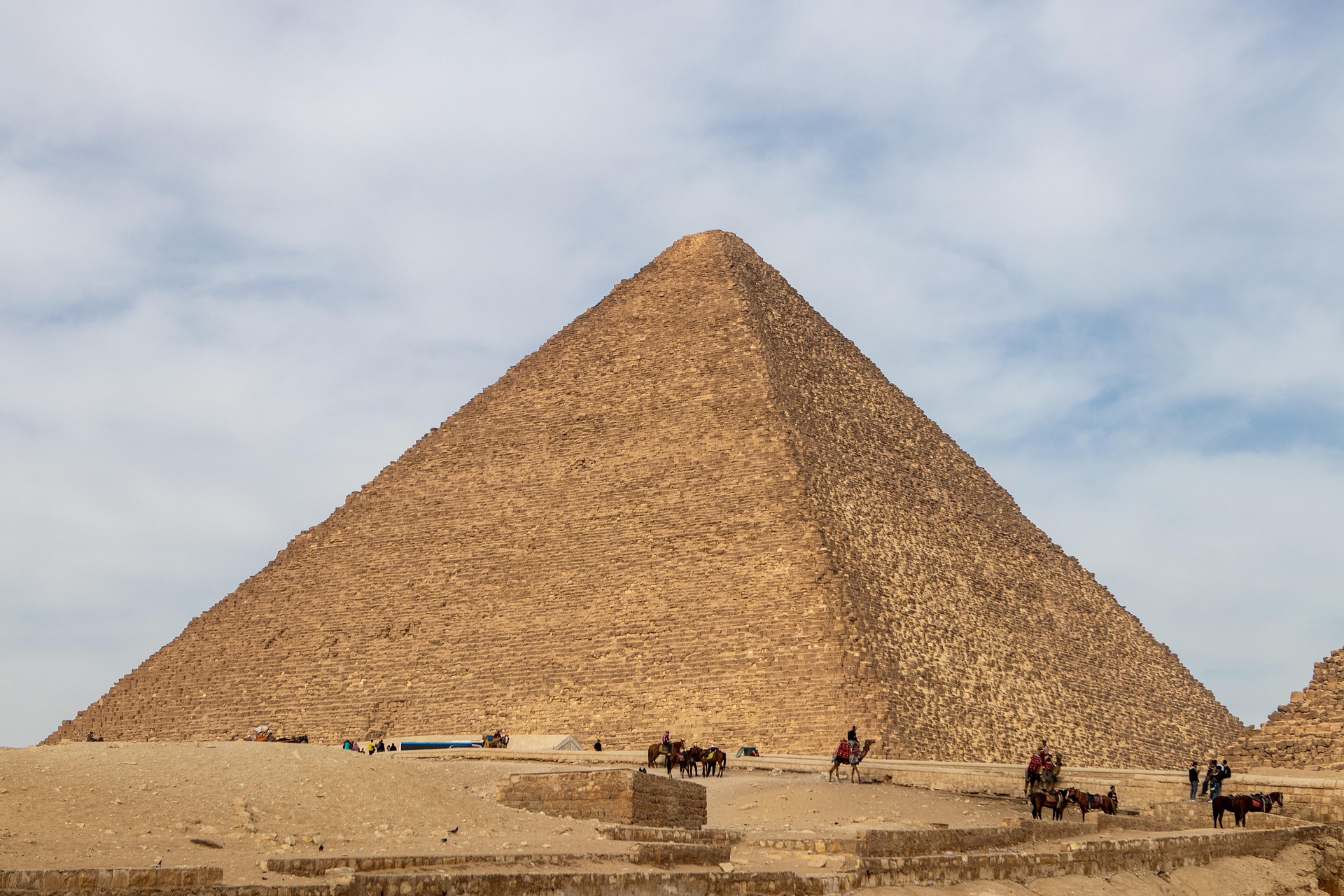
The Egyptian pyramids stand as enduring testaments to the ingenuity and architectural brilliance of ancient Egyptian civilization. Among these, the Pyramids of Giza, particularly the Great Pyramid of Khufu, continue to captivate historians, archaeologists, and tourists alike. Built over 4,500 years ago, these monumental structures spark ongoing debate and fascination regarding their construction methods, purpose, and the vast workforce that brought them to life. This article explores the most compelling theories, architectural evolution, and modern discoveries that shed light on these enigmatic edifices.
The Purpose Behind the Pyramids
The primary function of the pyramids was to serve as elaborate tombs for pharaohs and high-ranking officials. The ancient Egyptians believed in an afterlife, where the deceased would embark on a spiritual journey. To ensure a successful transition, pharaohs commissioned pyramid construction to house not only their remains but also an array of treasures, food, and offerings needed in the next world. These structures thus stood as profound religious and cultural symbols, reflecting the Egyptians’ deep-rooted belief in immortality and divine kingship.
Evolution of Pyramid Construction
The journey toward the construction of true pyramids saw several architectural advancements, beginning with simpler structures and culminating in the grand pyramids we recognize today.
From Mastabas to Pyramids
The earliest Egyptian tombs were mastabas, flat-roofed, rectangular structures made of mudbrick or stone. These gradually evolved into more sophisticated designs:
- Step Pyramid of Djoser: Designed by the architect Imhotep, this pyramid, built in the 27th century BCE, marked the first colossal stone structure in Egypt. Consisting of six mastaba-like layers stacked atop one another, it introduced the concept of monumental burial complexes.
- Bent Pyramid: Commissioned by Pharaoh Sneferu, this pyramid showcases an experimental transition toward smooth-sided pyramids. However, a shift in the angle midway through construction resulted in its distinctive bent shape.
- Red Pyramid: Also built during Sneferu’s reign, the Red Pyramid is considered the first successful attempt at constructing a smooth-sided pyramid, setting the stage for future pyramid designs.
Materials and Quarrying Techniques
The construction of the pyramids necessitated vast amounts of stone, with different materials sourced for specific structural purposes:
- Limestone: The primary material for pyramid cores, sourced from local quarries. High-quality Tura limestone was used for outer casings, giving pyramids a gleaming finish.
- Granite: Quarried from Aswan, this durable stone was used for internal chambers and passageways.
To extract these materials, workers employed copper chisels, dolerite pounders, and wooden levers. Blocks were carved by creating channels around them and then detached using controlled force.
Transportation and Logistics
Transporting massive stone blocks from quarries to construction sites presented a formidable challenge:
- River Transport: The Nile River played a crucial role in logistics. Stones were loaded onto barges and transported downstream to pyramid sites.
- Overland Movement: Stones were moved using sledges pulled by workers. Recent studies suggest that workers poured water on sand ahead of sledges to reduce friction, making transportation more efficient.
Construction Theories and Techniques
Numerous theories attempt to explain how the pyramids were constructed, each offering insights into the remarkable engineering of ancient Egypt.
- Straight Ramp Theory: Proposes that a long, straight ramp was built from the ground to the pyramid’s summit, enabling workers to haul stones upward. However, the sheer size of such a ramp presents logistical challenges.
- Spiral Ramp Theory: Suggests a spiraling external ramp around the pyramid’s structure, reducing gradient steepness and required materials.
- Internal Ramp Theory: Advocates for a hidden internal ramp built within the pyramid, allowing workers to transport stones with greater precision and efficiency.
The Workforce: Organization and Labor Conditions
Contrary to popular myths of slave labor, evidence suggests that skilled workers, artisans, and temporary laborers formed a well-organized workforce:
- Skilled Workers: Architects, engineers, and stonemasons played essential roles in planning and construction.
- Seasonal Laborers: Farmers likely supplemented the workforce during the Nile’s inundation period, contributing to pyramid construction when agricultural work paused.
- Living Conditions: Excavations have uncovered workers’ villages equipped with bakeries, medical facilities, and communal housing, indicating that laborers were well cared for and compensated.
Astronomical Alignments and Symbolism
The precision with which the pyramids were aligned demonstrates the Egyptians’ advanced understanding of astronomy:
- Cardinal Alignment: The Great Pyramid of Giza is aligned almost perfectly with the four cardinal directions.
- Orion Correlation Theory: Some scholars propose that the layout of the Giza pyramids corresponds to the stars in Orion’s Belt, symbolizing a celestial connection between pharaohs and the gods.
Recent Discoveries and Technological Insights
Modern technology has unveiled new perspectives on pyramid construction and hidden features:
- Muon Radiography: This advanced scanning technique has detected previously unknown voids and chambers within the pyramids, fueling speculation about their functions.
- Experimental Archaeology: Recent experiments replicating ancient construction techniques confirm that moving large stones with simple tools was feasible, reinforcing existing construction theories.
Conclusion
The Egyptian pyramids remain one of the greatest engineering marvels of human history. Their construction showcases the ingenuity, organization, and astronomical knowledge of ancient Egypt. Despite centuries of study, new discoveries continue to enhance our understanding of how these magnificent structures were built and the symbolic significance they held for their creators. As research advances, the pyramids remain a testament to the enduring mysteries of ancient civilization.
A Cinematic Adventure Like No Other