
 By admin
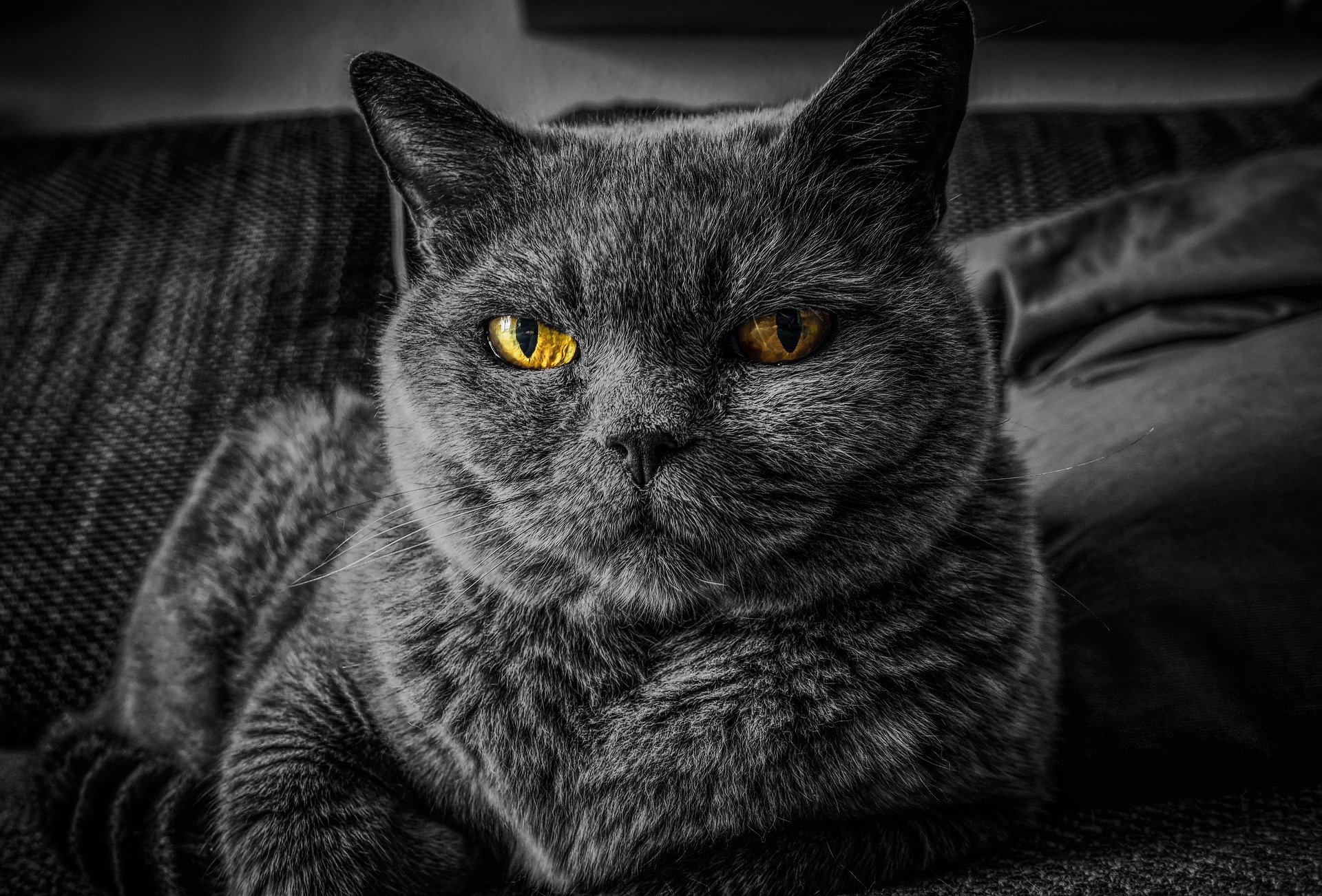
Caring for Your Aging Cat: Ensuring a Healthy and Comfortable Retirement
As our beloved feline companions age, their health needs evolve, requiring more attentive care and proactive management to ensure their golden years are filled with comfort and vitality. While cats are generally considered seniors at around ten years of age, advancements in veterinary medicine, improved nutrition, and better overall care have extended their lifespans significantly, with many cats living well into their late teens and even early twenties. Understanding the physiological and behavioral changes associated with aging is crucial for providing optimal care and maintaining their quality of life.
Understanding the Aging Process in Cats
Aging in cats parallels many aspects of human aging, bringing changes in metabolism, organ function, and overall vitality. Common age-related conditions in senior cats include:
- Arthritis and Joint Stiffness: Degenerative joint disease is prevalent among older cats, often leading to reduced mobility and discomfort. Recent studies suggest that incorporating omega-3 fatty acids and joint supplements like glucosamine and chondroitin can help manage symptoms.
- Dental Disease: Periodontal disease, tooth resorption, and gingivitis can lead to pain and difficulty eating. Regular dental check-ups and home dental care can significantly improve oral health.
- Kidney Disease: Chronic kidney disease (CKD) is one of the leading causes of mortality in senior cats. Advanced veterinary diagnostics, such as SDMA testing, can detect kidney issues earlier, allowing for more effective management.
- Cognitive Dysfunction Syndrome (CDS): Similar to Alzheimer’s in humans, older cats may experience disorientation, altered sleep patterns, and increased vocalization. Environmental enrichment and dietary supplements containing antioxidants and omega-3s can slow cognitive decline.
- Hypertension: High blood pressure is often a silent condition that can lead to severe complications, including vision loss and kidney failure. Regular monitoring and early intervention with medications like amlodipine can be lifesaving.
Optimizing Nutrition for Senior Cats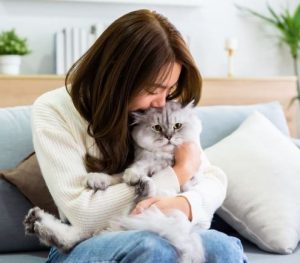
Proper nutrition plays a crucial role in maintaining your senior cat’s health. As cats age, their dietary requirements shift, necessitating adjustments in their food intake and nutrient balance.
- High-Quality Protein: Aging cats require protein to maintain muscle mass, but excessive protein intake can strain aging kidneys. Specialized senior cat diets balance these needs effectively.
- Essential Fatty Acids: Omega-3 fatty acids support joint health, cognitive function, and skin condition. Fish oil supplements can be beneficial.
- Fiber for Digestive Health: Constipation is common in older cats. Increased fiber from sources like canned pumpkin or psyllium husk can aid digestion.
- Hydration: Senior cats are prone to dehydration, particularly those with kidney disease. Wet food, water fountains, and electrolyte supplements can encourage adequate hydration.
- Supplementation: Adding taurine, vitamin B12, probiotics, and joint supplements to your cat’s diet can improve overall well-being and longevity.
Veterinary Care: Preventative and Proactive Approaches
Routine veterinary visits are essential for detecting health issues early. Senior cats should have bi-annual veterinary exams, including:
- Blood Work & Urinalysis: Regular screening helps identify kidney disease, diabetes, hyperthyroidism, and liver issues.
- Blood Pressure Monitoring: Hypertension is common in aging cats and should be checked regularly.
- Dental Examinations: Professional cleanings and daily dental care help prevent pain and infection.
- Weight Management: Both obesity and unexplained weight loss can indicate underlying health conditions.

Advancements in feline medicine, such as therapeutic diets, stem cell therapy for arthritis, and precision diagnostics, offer promising ways to improve the quality of life for aging cats.
Environmental Enrichment and Mental Stimulation
Keeping senior cats engaged physically and mentally is vital for their overall well-being.
- Interactive Toys and Puzzle Feeders: Encourage mental stimulation and physical activity.
- Safe Outdoor Access: Supervised outdoor time or enclosed cat patios (“catios”) provide enrichment.
- Routine Playtime: Gentle, interactive play sessions help maintain mobility and cognitive function.
- Comfortable Resting Areas: Orthopedic beds, heated pads, and easy-to-reach perches improve comfort.
Adapting the Home Environment
Making simple adjustments to your home can enhance your aging cat’s comfort:
- Easily Accessible Resources: Place food, water, and litter boxes on each floor to minimize climbing.
- Soft and Warm Bedding: Joint pain is common in older cats, and cushioned bedding can help alleviate discomfort.
- Litter Box Considerations: Low-sided litter boxes with non-clumping litter are easier for senior cats to use.
Recognizing Behavioral Changes
Subtle shifts in behavior can indicate underlying health problems. Watch for:
- Changes in Appetite or Thirst: Increased or decreased eating and drinking habits may signal kidney disease, diabetes, or hyperthyroidism.
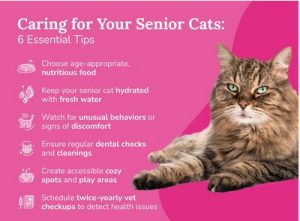
- Grooming Habits: Neglecting grooming may indicate arthritis or illness, while over-grooming could signal skin conditions or stress.
- Increased Vocalization or Disorientation: These may be signs of cognitive dysfunction or anxiety.
- Lethargy or Increased Sleeping: While older cats sleep more, drastic changes in energy levels warrant veterinary attention.
Pain Management Strategies
Managing pain in senior cats is crucial for their quality of life.
- Arthritis Treatment: Non-steroidal anti-inflammatory drugs (NSAIDs), acupuncture, and joint supplements can help manage pain.
- Environmental Modifications: Provide ramps or pet stairs for easy access to favorite resting spots.
- Physical Therapy: Gentle stretching, massage, and laser therapy can improve mobility and comfort.
Preventative Measures to Enhance Longevity
Proactive care can significantly impact your cat’s lifespan and quality of life.
- Routine Vaccinations: Keeping vaccinations up to date protects against infectious diseases.
- Flea, Tick, and Parasite Control: Regular preventative treatments ensure overall health.
- Dental Hygiene: Daily brushing and professional cleanings prevent dental disease.
- Stress Reduction: Creating a predictable routine and minimizing household stressors can prevent anxiety-related health issues.
Conclusion
Caring for an aging cat requires diligence, compassion, and adaptation. By understanding the changes associated with feline aging, optimizing nutrition, maintaining regular veterinary care, and enriching their environment, we can ensure that our beloved companions enjoy a long, comfortable, and fulfilling life. With modern advancements in veterinary medicine and a proactive approach to feline health, senior cats can thrive well into their golden years.
An In-Depth Look at Cat Breeds