
 By admin
Introduction
For decades, brown rice and white rice have been staples in diets around the world, particularly in Asia, Latin America, and parts of Africa. As awareness of nutrition and health grows, more people are asking a fundamental question: Is brown rice truly healthier than white rice? This debate isn’t new, but modern nutritional science offers a more nuanced understanding of the benefits and drawbacks of both types of rice.
In this article, we explore the key differences between brown and white rice, analyze their respective nutritional profiles, and help you make an informed decision based on your health goals. Whether you’re managing diabetes, aiming to build muscle, or simply trying to improve your overall diet, this comprehensive guide will help you determine which rice best suits your needs.
Understanding the Difference Between Brown
and White Rice
What Is Brown Rice?
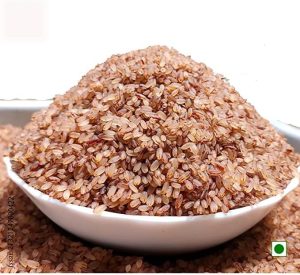
Brown rice is a whole grain. It retains all three parts of the grain kernel — the bran, germ, and endosperm. The outer bran layer, which is rich in fiber and essential nutrients, gives brown rice its characteristic color and chewy texture.
What Is White Rice?
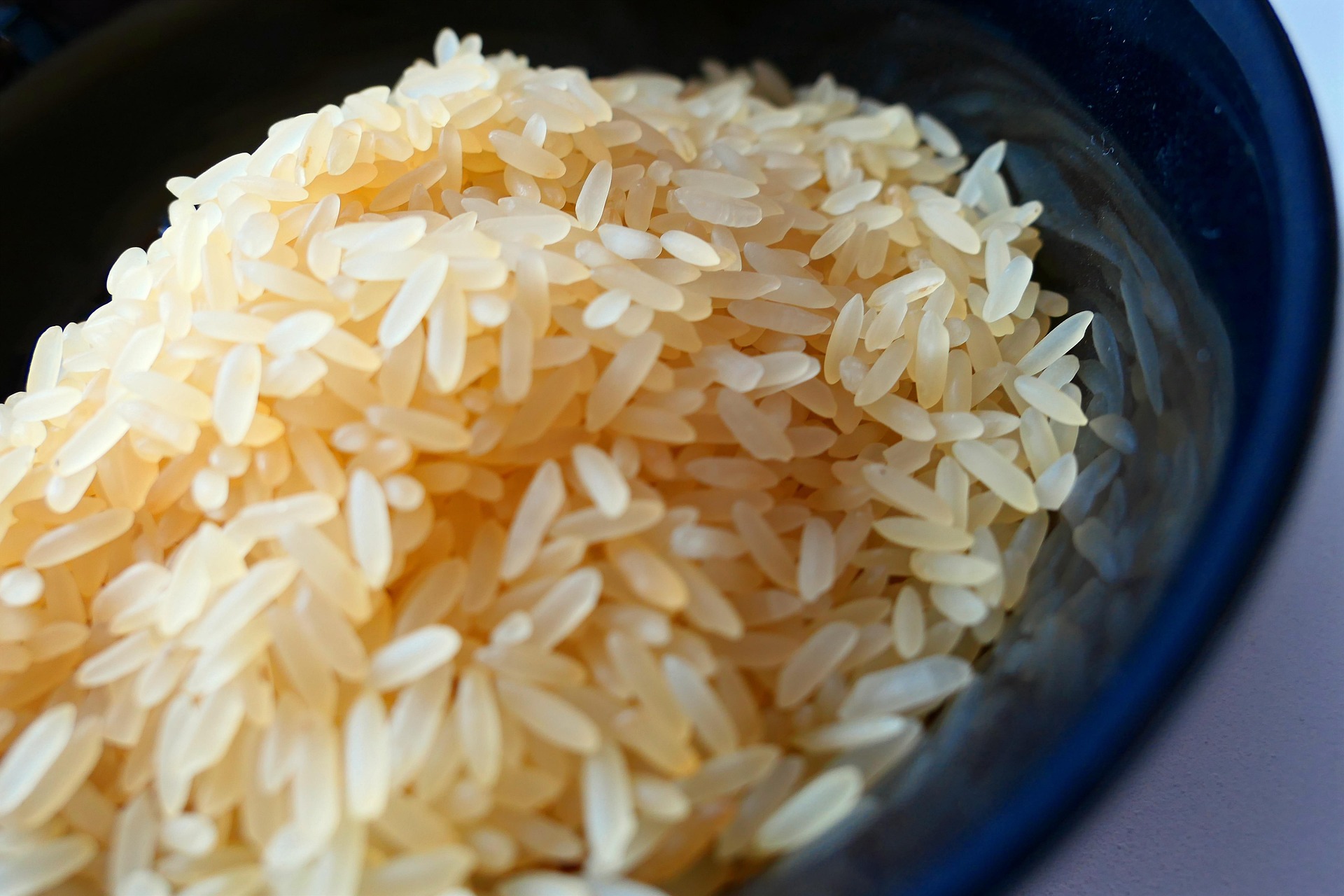
White rice, on the other hand, is milled and polished to remove the bran and germ, leaving only the starchy endosperm. This process extends shelf life and gives the rice a softer texture, but it also removes many nutrients found in the grain’s outer layers.
Nutritional Comparison: Brown Rice vs. White Rice
Macronutrients: Calories, Carbohydrates, and Proteins
Surprisingly, the calorie content of brown and white rice is quite similar. One cup of cooked brown rice provides around 215 calories, while the same serving of white rice delivers approximately 205 calories. Carbohydrate levels are also close, with brown rice containing slightly more fiber.
| Nutrient | Brown Rice (1 cup cooked) | White Rice (1 cup cooked) |
|---|---|---|
| Calories | 215 | 205 |
| Carbohydrates | 45 g | 44 g |
| Protein | 5 g | 4 g |
| Fat | 1.8 g | 0.4 g |
| Fiber | 3.5 g | 0.6 g |
Micronutrients and Minerals
This is where brown rice outshines white rice. Brown rice contains significantly more magnesium, phosphorus, potassium, and B vitamins (such as B1, B3, and B6). It also provides manganese, selenium, and zinc, which play critical roles in metabolism, immunity, and antioxidant defense.
| Micronutrient | Brown Rice | White Rice |
|---|---|---|
| Magnesium | 84 mg | 19 mg |
| Phosphorus | 150 mg | 68 mg |
| Potassium | 154 mg | 55 mg |
| Vitamin B3 | 2.6 mg | 1.5 mg |
White rice is often enriched with iron and some B vitamins to compensate for the loss during milling, but its overall nutritional density remains lower than that of brown rice.
The Glycemic Index and Blood Sugar Impact
What Is the Glycemic Index (GI)?
The glycemic index measures how quickly carbohydrates in food raise blood glucose levels. Foods with a low GI release glucose slowly, avoiding sudden blood sugar spikes — crucial for people managing diabetes or insulin resistance.
Brown Rice Has a Lower Glycemic Index
Brown rice has a GI of around 50, while white rice’s GI can range from 70 to 89 depending on the variety and preparation method. This makes brown rice a better option for blood sugar control and overall metabolic health.
Fiber and Satiety: Feeling Full vs. Eating More
Brown Rice Promotes Satiety
Thanks to its higher fiber content, brown rice helps you feel full sooner and stay full longer. Fiber slows digestion, moderates blood sugar levels, and contributes to healthy gut bacteria. This makes brown rice particularly suitable for weight management and appetite control.
White Rice Is Easier to Eat in Larger Quantities
White rice’s low fiber content and soft texture make it easier to consume in large amounts. This can be beneficial for people with high caloric needs, such as athletes or individuals aiming to gain weight or muscle mass.
Digestion and Tolerance
Brown Rice May Be Harder to Digest
Due to the presence of phytic acid — a natural compound found in the bran layer — brown rice can be harder to digest for some people. Phytic acid can bind to minerals and reduce their absorption, although this effect is minor in a balanced diet. Soaking or cooking brown rice thoroughly can reduce phytic acid levels.
White Rice Is Gentler on the Stomach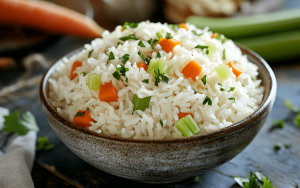
White rice is often recommended for individuals with digestive issues, such as irritable bowel syndrome (IBS), gastritis, or during recovery from illness. Its simplicity and low fiber content make it easier on the digestive system.
Dietary Goals: Which Rice Should You Choose?
For Weight Loss or Weight Management
Brown rice is the better choice due to its high fiber content, lower glycemic index, and greater nutritional value. It supports better satiety and sustained energy levels throughout the day.
For Muscle Gain and Athletic Performance
White rice is often preferred by athletes and bodybuilders because it provides quick energy and is easy to digest. It enables larger calorie intake without gastrointestinal discomfort.
For Managing Diabetes
Brown rice is clearly the superior option for individuals with type 2 diabetes or prediabetes. Its slower glucose release helps control blood sugar levels and reduces insulin spikes.
For Children, Seniors, and Those With Digestive Issues
White rice might be more suitable for populations with sensitive digestive systems or those requiring quick, easy-to-digest meals. However, combining it with other nutrient-dense foods can compensate for its lower fiber and mineral content.
Environmental and Economic Considerations
Sustainability and Shelf Life
White rice has a longer shelf life due to the removal of the bran and germ, which contain oils that can turn rancid. This makes it more suitable for long-term storage and shipping.
Brown rice, while more nutritious, spoils more quickly unless stored in cool, airtight conditions. From an environmental standpoint, both types of rice require significant water resources and labor, although organic or sustainably farmed rice options are increasingly available.
Cost and Accessibility
White rice is often more affordable and widely available, particularly in low-income regions. Brown rice, while gaining popularity, may still be more expensive and less familiar in some cultures, affecting adoption.
Enhancing the Nutritional Profile of Rice
Regardless of which type you choose, rice can be part of a balanced diet when paired with vegetables, lean proteins, legumes, and healthy fats. Some ideas include:
-
Brown rice bowls with grilled vegetables and tofu.
-
White rice with black beans and avocado for a fiber boost.
-
Mixed rice dishes combining brown and white rice for taste and nutrition balance.
You can also look into alternative grains such as quinoa, farro, barley, and wild rice for even more variety and health benefits.
Conclusion
So, is brown rice healthier than white rice? From a nutritional standpoint, the answer is yes — brown rice offers more fiber, vitamins, and minerals, and has a lower glycemic index. It’s a smart choice for individuals seeking better blood sugar control, weight loss, or heart health.
However, white rice is not inherently “bad.” It remains a valuable energy source, especially for those with high energy demands or digestive sensitivity. Ultimately, the best choice depends on your individual health goals, dietary needs, and preferences.
Incorporating a variety of whole grains, practicing portion control, and balancing meals with vegetables, proteins, and healthy fats is the key to long-term health — whether you choose brown rice, white rice, or both.
Global Rise of Moroccan Gastronomy