
 By admin
3 Essential Steps to Take Before Submitting to Article Directories
In today’s digital landscape, content marketing remains one of the most effective strategies for driving targeted traffic, increasing brand visibility, and converting prospects into loyal customers. Among the many approaches to content marketing, article directory submissions have stood the test of time as a proven method to distribute valuable content, gain backlinks, and establish authority in a given niche. However, success in this domain hinges on avoiding common mistakes and following best practices.
Before you dive into submitting your articles to directories, it’s crucial to understand the nuances of this process and how you can maximize the impact of your efforts. This article will guide you through three essential steps to take before submitting to article directories, ensuring your strategy is effective, professional, and aligned with modern SEO practices.
1. Understand the Purpose of Your Articles
One of the most common pitfalls content creators face is confusing the goal of writing articles with the goal of promoting them. While article marketing serves multiple purposes—such as branding, lead generation, and search engine optimization (SEO)—the primary reason for writing any article should always be to provide value to your readers.
If your content fails to engage and inform, it won’t achieve the promotional benefits you’re aiming for. Audiences today are inundated with low-quality, promotional articles that lack substance, and such content often gets ignored or rejected by directories. To avoid this, focus on these key elements when creating your articles:
- Audience-first approach: Research what your target audience wants to learn and address their pain points or interests.
- Informative content: Write articles that educate or solve specific problems. Avoid blatant sales pitches, as they can harm your credibility.
- Clear objectives: While your ultimate goal might be traffic or conversions, ensure your article’s primary intent is to deliver value.
When your content resonates with readers, it naturally drives engagement, builds trust, and encourages readers to click on your resource box or follow your call-to-action (CTA).
2. Optimize Your Articles for Maximum Visibility
To leverage the full potential of article marketing, your articles need to be optimized for both search engines and human readers. A well-optimized article will rank higher on search engines, get picked up by publishers, and generate traffic over the long term. Here’s how you can achieve this:
a. Strategic Keyword Placement
Keywords are the foundation of SEO. Conduct thorough keyword research to identify high-traffic, low-competition keywords relevant to your topic. Use these keywords naturally throughout your article, especially in:
- The title
- Subheadings
- Introduction and conclusion
- Anchor text for internal or external links
However, avoid keyword stuffing, as it can lead to penalties from search engines and harm readability. The key is to integrate keywords seamlessly into your content.
b. Create a Compelling Title
Your title is the first thing readers and publishers notice. Make it attention-grabbing, concise, and reflective of the article’s value. Titles that include numbers, actionable verbs, and targeted keywords tend to perform better. For example:
- “10 Proven Strategies for Boosting Website Traffic”
- “How to Write Engaging Articles That Drive Conversions”
c. Use High-Quality Anchor Text
When linking back to your website or blog, use descriptive and relevant anchor text. Instead of generic phrases like “click here,” use keyword-rich phrases such as “learn more about effective SEO strategies.”
d. Format for Readability
Most readers skim articles rather than reading them in full. Improve readability by:
- Breaking content into short paragraphs
- Using bullet points and numbered lists
- Incorporating subheadings for better structure
- Adding visuals, if applicable (though not all directories support images)
e. Focus on Evergreen Topics
Articles that cover timeless topics will continue to generate traffic and remain relevant over time. Examples of evergreen topics include “how-to guides,” “best practices,” and “tips for beginners.”
3. Ensure Your Content Meets Directory Standards
Submitting low-quality content to directories can do more harm than good. Not only will it get rejected, but it may also damage your credibility. Each directory has its own guidelines, so it’s essential to familiarize yourself with their requirements. Here are some general tips to ensure your articles meet high standards:
a. Adhere to Submission Guidelines
Before submitting, review the directory’s editorial guidelines. These often include rules about word count, formatting, and acceptable topics. Failure to comply with these guidelines will likely result in rejection.
b. Proofread and Edit Thoroughly
Grammatical errors and typos can undermine your professionalism. Use tools like Grammarly or Hemingway Editor to polish your writing. If necessary, hire a professional editor to review your content before submission.
c. Avoid Duplicate Content
Plagiarism or duplicate content can lead to penalties from search engines and rejection from directories. Always create original, high-quality articles tailored to your target audience.
d. Provide a Strong Resource Box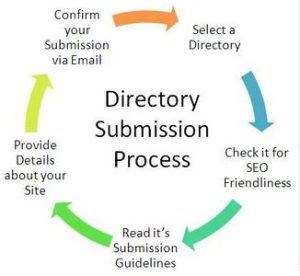
Your resource box is where you can promote yourself or your business. Include a brief bio, your credentials, and a clear CTA. For example:
“John Doe is a digital marketing expert with over 10 years of experience. Learn more about his strategies at https://www.netgrec.com.”
e. Write for Publishers
Article directories often serve as repositories for publishers looking for quality content. By writing articles that appeal to publishers, you can expand your reach to larger audiences. To achieve this, focus on:
- Writing on trending or in-demand topics
- Maintaining a professional tone
- Offering actionable insights backed by data or research
Why Quality Matters More Than Quantity
Many marketers make the mistake of prioritizing quantity over quality when it comes to article submissions. While publishing more articles can increase visibility, poorly written or irrelevant content can harm your reputation and reduce your chances of success.
Instead, aim to create fewer, high-quality articles that provide genuine value. High-quality content is more likely to be shared, picked up by publishers, and generate backlinks.
Final Thoughts
Submitting articles to directories remains a valuable strategy for boosting your online presence, improving SEO, and driving traffic. However, success in article marketing requires careful planning, attention to detail, and a commitment to quality. By understanding the purpose of your articles, optimizing them for maximum visibility, and ensuring they meet directory standards, you can transform your submissions into powerful tools for growth.
Remember, the ultimate goal is not just to increase traffic but to build credibility, engage your audience, and establish yourself as an authority in your niche. With the right approach, article directory submissions can become a cornerstone of your content marketing strategy.
How to Write Irresistible Email Subjects