
 By admin

Introduction
In today’s fast-paced world, maintaining good health is no longer a luxury—it is a necessity. Among the many indicators of overall well-being, cholesterol levels stand out as one of the most critical yet frequently misunderstood markers of cardiovascular health. Cholesterol plays an essential role in the human body, contributing to hormone production, cell membrane integrity, and vitamin D synthesis. However, when cholesterol levels become imbalanced, they can significantly increase the risk of heart disease, stroke, and other life-threatening conditions.
Thanks to modern medical advances, understanding and monitoring cholesterol has become more accessible than ever. Regular cholesterol checks, clearer laboratory reports, and even at-home testing kits allow individuals to take an active role in managing their health. Despite these innovations, many people still feel overwhelmed when faced with cholesterol numbers and medical terminology. This confusion can lead to neglect, misinformation, or delayed lifestyle changes that could otherwise prevent serious health issues.
This article provides a comprehensive, up-to-date, and professional overview of cholesterol: what it is, why it matters, how it is measured, and how you can control it effectively. By breaking down cholesterol into clear categories and explaining their significance, this guide aims to empower you with knowledge and practical strategies to protect your heart and enhance your quality of life.
Understanding Cholesterol: What It Is and Why It Matters
What Is Cholesterol?
Cholesterol is a waxy, fat-like substance found in every cell of the human body. Contrary to popular belief, cholesterol itself is not inherently harmful. In fact, the liver produces most of the cholesterol your body needs, while the rest comes from dietary sources such as meat, dairy products, and eggs.
Cholesterol is transported through the bloodstream by proteins called lipoproteins. These lipoproteins determine whether cholesterol has a positive or negative impact on your health. When cholesterol levels are balanced, the body functions optimally. When they are not, plaque can build up in the arteries, restricting blood flow and increasing the risk of cardiovascular disease.
Why Monitoring Cholesterol Is Essential
High cholesterol often develops silently, without noticeable symptoms. Many individuals only discover they have elevated cholesterol after experiencing a heart attack or stroke. This is why regular cholesterol screening is essential, even for those who feel healthy.
By checking your cholesterol levels on a regular basis, you gain insight into:
- Your risk of heart disease and stroke
- The effectiveness of your diet and lifestyle habits
- Whether medical intervention may be necessary
Early detection allows for timely lifestyle changes or treatment, reducing long-term health risks and improving longevity.
Modern Cholesterol Testing: From Clinics to Home Kits
Clinical Cholesterol Testing
Traditionally, cholesterol levels are measured through a blood test known as a lipid panel or lipid profile. This test is usually performed after fasting and provides detailed information about different types of cholesterol and fats in the blood.
Doctors now have access to advanced diagnostic tools that not only present cholesterol numbers but also assess overall cardiovascular risk by considering factors such as age, blood pressure, smoking status, and family history.
At-Home Cholesterol Testing Kits
In recent years, at-home cholesterol testing kits have gained popularity. These kits allow individuals to measure their cholesterol levels from the comfort of their own homes using a small blood sample from a finger prick.
Advantages of at-home testing include:
- Convenience and privacy

- Immediate results
- Increased motivation for regular monitoring
However, understanding the results can still be challenging. Learning how to interpret cholesterol numbers correctly is crucial, and results should always be discussed with a healthcare professional for accurate medical guidance.
Breaking Down Cholesterol Numbers
Understanding cholesterol requires familiarity with three main measurements: LDL cholesterol, HDL cholesterol, and total cholesterol. Each plays a unique role in your cardiovascular health.
Low-Density Lipoprotein (LDL): The “Bad” Cholesterol
What Is LDL Cholesterol?
Low-density lipoprotein (LDL) cholesterol is commonly referred to as “bad cholesterol.” It transports cholesterol from the liver to the tissues, but excess LDL can deposit cholesterol on artery walls, forming plaque.
Over time, plaque buildup narrows the arteries, reduces blood flow, and increases the risk of heart attacks and strokes. For this reason, LDL cholesterol is one of the most critical numbers to monitor.
Healthy LDL Levels
Modern medical guidelines generally recommend:
- Optimal LDL: Below 100 mg/dL
- Near optimal: 100–129 mg/dL
- High LDL: 130 mg/dL and above
For individuals with additional risk factors—such as obesity, diabetes, smoking, or a family history of heart disease—doctors often advise keeping LDL levels even lower, sometimes below 70 mg/dL.
How Diet and Lifestyle Affect LDL
Diet plays a major role in LDL cholesterol levels. Foods high in saturated fats and trans fats can raise LDL, while fiber-rich and plant-based foods can lower it.
Effective strategies to reduce LDL include:
- Limiting processed and fried foods
- Choosing lean proteins and healthy fats

- Increasing intake of fruits, vegetables, and whole grains
- Maintaining a healthy weight
High-Density Lipoprotein (HDL): The “Good” Cholesterol
What Is HDL Cholesterol?
High-density lipoprotein (HDL) cholesterol is known as “good cholesterol” because it helps remove excess cholesterol from the bloodstream and transports it back to the liver for elimination.
Higher HDL levels are associated with a lower risk of heart disease, as HDL acts as a protective mechanism against arterial plaque buildup.
Recommended HDL Levels
Current guidelines suggest:
- Men: 35 mg/dL or higher
- Women: 40 mg/dL or higher
Women often have higher HDL levels naturally due to hormonal differences, but men can improve their HDL through healthy lifestyle choices.
Ways to Increase HDL Naturally
Raising HDL cholesterol is possible through positive habits, including:
- Regular aerobic exercise
- Quitting smoking
- Consuming healthy fats such as olive oil and omega-3 fatty acids
- Reducing stress and improving sleep quality
Total Cholesterol: The Big Picture
What Does Total Cholesterol Mean?
Total cholesterol is the combined measurement of LDL, HDL, and other lipid components in the blood. While total cholesterol provides a general overview, it does not tell the whole story on its own.
A healthy total cholesterol level is typically:
- Below 200 mg/dL: Desirable
- 200–239 mg/dL: Borderline high
- 240 mg/dL and above: High
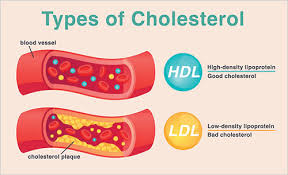
Maintaining healthy LDL and HDL levels usually results in a healthy total cholesterol number.
Why Total Cholesterol Alone Is Not Enough
Modern medicine emphasizes looking beyond total cholesterol to assess cardiovascular risk. Two people with the same total cholesterol may have very different risk profiles depending on their LDL, HDL, and triglyceride levels.
Cholesterol, Risk Factors, and Personalized Health
Additional Risk Factors to Consider
Cholesterol levels do not exist in isolation. Doctors evaluate them alongside other factors, such as:
- Age and gender
- Blood pressure
- Smoking habits
- Physical activity level
- Family history of heart disease
This comprehensive approach allows for personalized treatment plans and more accurate risk assessments.
When Medication Becomes Necessary
For some individuals, lifestyle changes alone may not be enough to control cholesterol. In such cases, doctors may prescribe medications such as statins to reduce LDL levels and protect heart health.
Medication is most effective when combined with a healthy diet, regular exercise, and ongoing medical supervision.
The Importance of Doctor Consultation and Ongoing Monitoring
Even with reliable home testing kits and online resources, professional medical advice remains essential. A healthcare provider can:
- Interpret cholesterol results accurately

- Recommend personalized lifestyle changes
- Prescribe medication when necessary
- Monitor progress over time
Regular follow-ups ensure that cholesterol remains under control and that long-term cardiovascular health is protected.
Conclusion
Cholesterol management is a lifelong commitment that plays a vital role in preventing heart disease and promoting overall well-being. While cholesterol itself is a natural and necessary substance, imbalances—particularly high LDL and low HDL—can have serious consequences if left unaddressed.
Modern medical advancements, combined with accessible testing options, have made it easier than ever to monitor cholesterol levels. However, understanding the numbers and taking action based on them is what truly makes the difference. By adopting a heart-healthy lifestyle, staying informed, and working closely with healthcare professionals, individuals can take control of their cholesterol and significantly reduce their risk of cardiovascular disease.
Ultimately, checking your cholesterol regularly is not just about numbers on a report—it is about protecting your heart, enhancing your quality of life, and investing in a healthier future.
Conceptual Origins of Acupuncture