
 By admin

Introduction
As the final moments of December 31st unfold, the United States collectively enters a symbolic pause—one foot grounded in reflection, the other stepping forward with anticipation. New Year’s Eve and New Year’s Day in America are far more than a chronological shift on the calendar; they represent a powerful cultural ritual rooted in renewal, hope, and reinvention. Across a nation defined by diversity and innovation, the arrival of the New Year is celebrated in countless ways, ranging from globally broadcast spectacles to deeply personal rituals practiced behind closed doors.
Historically shaped by waves of immigration, technological progress, and social change, American New Year celebrations continue to evolve. In recent years, influences such as digital connectivity, post-pandemic lifestyle shifts, wellness culture, and experiential living have significantly transformed how people mark this annual milestone. While iconic traditions like the Times Square Ball Drop remain central to the national consciousness, new forms of celebration—virtual gatherings, intentional goal-setting, sober events, and wellness-focused rituals—are increasingly redefining the holiday.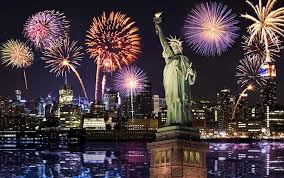
This comprehensive article explores how Americans welcome the New Year today, examining public celebrations, regional customs, private traditions, modern digital trends, psychological meanings, and the cultural significance of January 1st. Together, these elements paint a vivid portrait of a nation continuously redefining how it celebrates fresh beginnings.
Public Celebrations: National Spectacles and Iconic Traditions
Times Square and the Ball Drop: A Global Symbol of Renewal
No New Year celebration in the United States is as instantly recognizable as the Times Square Ball Drop in New York City. Dating back to 1907, this iconic event has become a global symbol of countdown culture, drawing more than one million attendees in person and hundreds of millions of viewers worldwide through television and online streaming platforms.
The modern Ball Drop is a carefully choreographed spectacle featuring live performances by world-famous musicians, celebrity hosts, and cutting-edge visual effects. The Waterford Crystal Ball itself—now an energy-efficient LED marvel—descends during the final 60 seconds of the year, creating a moment of shared suspense and collective joy.
In recent years, the experience has expanded far beyond physical attendance. High-definition livestreams, multi-angle broadcasts, interactive apps, and social media integrations allow people across all time zones to participate virtually. Despite tight security, freezing temperatures, and long hours of standing, the allure of Times Square remains undiminished—a testament to its enduring cultural power.
Regional New Year Celebrations Across America
While New York City often dominates the spotlight, cities and towns across the country host their own unique New Year’s Eve celebrations, each reflecting local history, identity, and cultural pride.
- Nashville, Tennessee hosts Music City Midnight, a massive live concert centered on country music heritage.
- Las Vegas, Nevada transforms the entire Strip into a pedestrian-only party, capped by synchronized fireworks launched from casino rooftops.
- Atlanta, Georgia celebrates with the famous Peach Drop, a playful nod to the state’s agricultural identity.
- New Orleans, Louisiana blends New Year festivities with its signature jazz culture, street parades, and Creole cuisine.
- Los Angeles, California offers NYE LA at Grand Park, featuring art installations, music, and community-driven celebrations.
- Seattle, Washington lights up the Space Needle with an elaborate fireworks display synchronized to live music.
These regional events provide inclusive alternatives to Times Square and showcase the geographic and cultural diversity that defines the American experience.
Private Celebrations: Home Gatherings, Food, and Symbolic Rituals
At-Home New Year’s Eve Parties
For millions of Americans, New Year’s Eve is best celebrated at home among close friends and family. House parties remain a cornerstone of the holiday, combining comfort, creativity, and personal tradition. Festive attire—often featuring sequins, metallics, and glitter—sets the tone, while themed décor and playlists enhance the celebratory atmosphere.
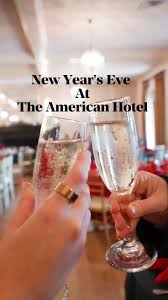
Food plays a central role, with appetizers, charcuterie boards, desserts, and sparkling beverages dominating the table. Champagne and prosecco remain traditional for midnight toasts, though mocktails and non-alcoholic options have grown in popularity in response to wellness trends.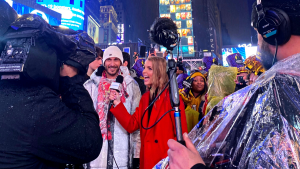
Culinary Traditions and Superstitions
Many New Year’s food traditions are rooted in superstition and cultural heritage:
- Black-eyed peas and collard greens, popular in the Southern United States, symbolize prosperity and financial luck.
- Pork and sauerkraut, common in the Midwest and among Pennsylvania Dutch communities, represent progress and abundance.
- Grapes, influenced by Hispanic traditions, are eaten at midnight—one for each month of the coming year.
- Round foods, such as donuts or cakes, symbolize continuity and completeness.
These culinary customs transform meals into symbolic acts of hope and intention.
Midnight Rituals and Symbolic Acts
As the clock strikes twelve, Americans engage in rituals believed to influence the year ahead. The midnight kiss remains one of the most widespread traditions, symbolizing love and emotional continuity. Singing “Auld Lang Syne”—though often with improvised lyrics—marks the emotional transition from past to future.
Modern rituals have emerged alongside older customs. Many people write down fears, regrets, or negative experiences from the previous year and ceremonially discard or burn the paper. Others practice intention-setting, journaling, or visualization exercises designed to promote clarity and personal growth.
Modern Transformations: Digital Culture and Intentional Living
Virtual Celebrations and Digital Connectivity
Technology has fundamentally reshaped how Americans celebrate the New Year. Virtual gatherings hosted on platforms like Zoom, Discord, and Google Meet allow families and friends to connect across distances. Livestreams of concerts, fireworks, and countdowns have become mainstream, enabling global participation from the comfort of home.
Social media plays a dominant role, with platforms such as Instagram, TikTok, and X (formerly Twitter) flooded with year-in-review posts, countdown videos, outfit reveals, and personal reflections. Hashtags like #NewYearsEve, #NewYearNewMe, and #YearInReview drive engagement and create a sense of collective digital celebration.
Wellness, Mindfulness, and Purpose-Driven Celebrations
A significant shift in recent years has been the move away from excessive partying toward more intentional and wellness-focused celebrations. Concepts like Dry January and sober-curious lifestyles have influenced many Americans to choose alcohol-free events.
Wellness-centered New Year’s Eve options now include:
- Yoga and meditation sessions
- Sound healing and breathwork
- Vision board workshops
- Guided intention-setting circles
New Year’s resolutions have also evolved. Rather than vague promises, many people now focus on SMART goals, mental health, emotional balance, and sustainable habits. Choosing a “word of the year” has become a popular alternative, providing a thematic focus rather than rigid expectations.
Experiential Celebrations and Travel Trends
Experience-driven celebrations have surged in popularity. Americans increasingly invest in meaningful experiences rather than material excess. Popular options include destination New Year’s Eve celebrations at resorts, cruises, ski lodges, and international cities.
Ticketed concerts, themed galas, immersive art events, and music festivals attract those seeking unforgettable moments. These experiences often prioritize personalization, exclusivity, and social media-worthy aesthetics, reflecting broader shifts in consumer behavior.
New Year’s Day: Reflection, Recovery, and Cultural Rituals
College Football and Sports Traditions
January 1st is a federal holiday and a cornerstone of American sports culture. College football dominates the day, with major bowl games such as the Rose Bowl, Sugar Bowl, and Orange Bowl drawing massive television audiences. These games provide a relaxed communal experience, often enjoyed with leftover party food and casual gatherings.
Leisure, Media, and Outdoor Wellness
New Year’s Day is also associated with comfort and reflection. Television marathons of classic films and series—such as The Twilight Zone or The Sound of Music—have become nostalgic traditions for many families.
At the same time, wellness initiatives like the First Day Hike encourage Americans to begin the year with physical activity in nature. State parks across the country organize guided hikes, promoting health, mindfulness, and environmental appreciation.
Conclusion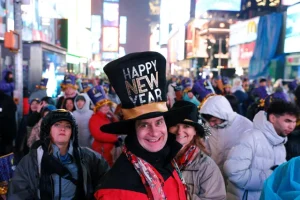
The way Americans celebrate the New Year offers a compelling reflection of the nation itself—diverse, dynamic, and perpetually evolving. From the dazzling lights of Times Square to quiet moments of personal reflection, the holiday balances spectacle with introspection, tradition with innovation, and collective joy with individual intention.
Modern American New Year celebrations increasingly emphasize wellness, purpose, and meaningful connection, while still honoring time-tested customs that foster unity and hope. Whether celebrated through massive public events, intimate family gatherings, virtual connections, or mindful rituals, the New Year remains a powerful symbol of renewal.
Ultimately, what defines the American New Year is not a single tradition, but a shared belief in fresh beginnings—the enduring optimism that with each passing year comes the possibility of growth, transformation, and a better tomorrow.
Why Secrecy Is the Soul of Magic