
 By admin
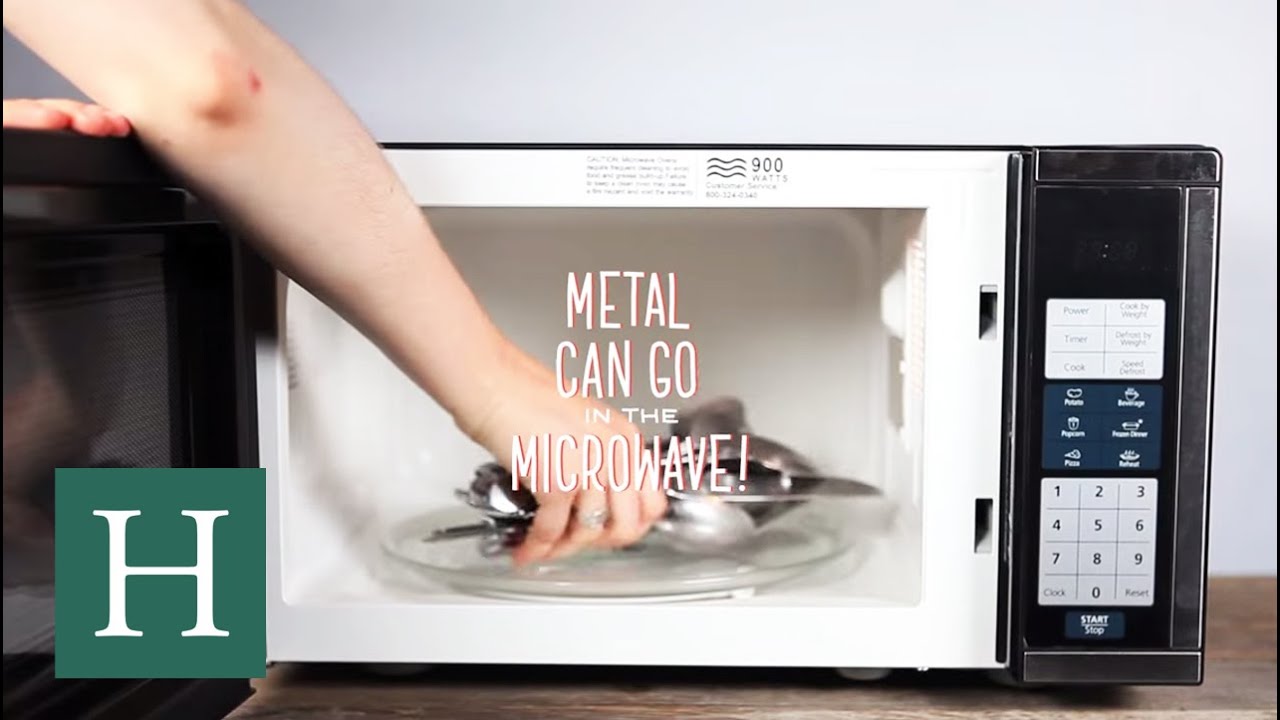
Why You Should Never Put Plastic or Metal in the Microwave
Introduction
Microwaves are a staple in most modern kitchens, offering convenience and speed for reheating or cooking meals. But as easy as it may seem to toss just about anything into the microwave, not all materials are microwave-safe. Specifically, placing plastic or metal items inside your microwave can lead to dangerous consequences — including fire hazards, toxic chemical release, and even damage to the appliance itself. Understanding the science behind why plastic and metal don’t belong in a microwave is critical to keeping your kitchen safe and your food healthy.
In this article, we’ll explore what happens when plastic or metal is microwaved, the potential health and safety risks involved, modern innovations in microwave-safe materials, and best practices to follow for safe microwave use.
Understanding How a Microwave Works
The Science of Microwave Heating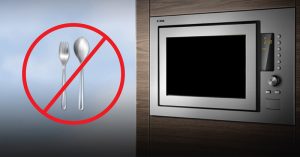
Microwaves work by emitting electromagnetic radiation at a frequency of about 2.45 GHz. This radiation excites water molecules in food, causing them to vibrate rapidly and generate heat. This process heats the food from the inside out and is effective for most types of edible substances that contain moisture.
Why Material Matters
The key to microwave safety lies in how materials interact with these electromagnetic waves. While certain materials like glass and ceramic absorb microwaves safely and evenly, others — notably plastic and metal — can pose serious problems.
Dangers of Putting Plastic in the Microwave
1. Chemical Leaching
Many plastics contain harmful chemicals like Bisphenol A (BPA) and phthalates, which can leach into food when heated. Studies have linked these substances to a wide range of health issues, including hormone disruption, reproductive problems, and even cancer. Even some BPA-free plastics can degrade over time and release unknown toxins under high heat.
2. Melting and Warping
Plastics not designed for microwave use may soften, melt, or warp, potentially contaminating your food with plastic residue. This is especially true for containers like takeout boxes, yogurt cups, and plastic wraps, which were never intended for reheating.
3. Food Contamination
When plastics melt or degrade, they can release microplastics or chemical residues directly into your food, altering its taste, smell, and most importantly, its safety.
Modern Solutions: Microwave-Safe Plastics
Manufacturers now produce “microwave-safe” plastics that undergo testing for heat resistance and chemical stability. However, even these containers have usage limits and should not be subjected to prolonged or intense heat. Always check for a microwave-safe label before using any plastic in the microwave.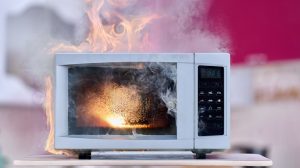
Dangers of Putting Metal in the Microwave
1. Fire and Sparks
Metal reflects microwave radiation instead of absorbing it. When you place metal items like forks, spoons, or foil in a microwave, they can cause arcing — bright sparks that can ignite fires. This happens because the microwaves bounce off the metal surface, generating concentrated electric currents.
2. Microwave Damage
The intense sparking and heat can damage the microwave’s internal components, including the magnetron (the part responsible for producing microwave radiation). This can result in costly repairs or complete appliance failure.
3. Uneven Cooking
Even when metal doesn’t spark, it can block microwaves from reaching certain parts of the food, leading to uneven heating. This is a particular problem with containers that have metallic rims or linings.
Exceptions to the Rule: Some Metals Are Safe
Surprisingly, certain metal materials — like microwave-safe cookware with metal accents or shielding — can be used safely under controlled conditions. For example, some modern microwave ovens are designed to accommodate crisping pans with metal bases. Always consult your appliance’s user manual to confirm which materials are safe.
Safe Alternatives for Microwave Use
1. Glass and Ceramic
Tempered glass and glazed ceramics are the safest and most reliable options for microwave use. They don’t leach chemicals and can handle high temperatures. Look for containers labeled “microwave-safe.”
2. Microwave-Safe Silicone
High-quality, food-grade silicone containers and covers are heat-resistant and non-toxic. These are ideal for steaming vegetables or covering dishes.
3. Paper Products (With Caution)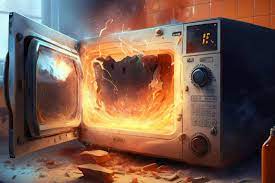
Paper towels, parchment paper, and microwave-safe paper plates can be used, but they should be unprinted, dye-free, and not coated with wax or plastic.
Tips for Safe Microwave Use
1. Always Check for a Microwave-Safe Label
Before using any container or cover, look for a label or symbol indicating it’s safe for microwave use.
2. Avoid Sealing Containers Tightly
Microwaving sealed containers can cause pressure to build up, leading to explosions. Leave lids ajar or use vented covers.
3. Use Microwave Covers
Microwave-safe lids or covers help prevent splatters and promote even heating while reducing the risk of contaminating your food.
4. Rotate and Stir Food
To ensure even cooking and prevent cold spots (which may harbor bacteria), stir food halfway through heating or rotate the container.
What Happens If You Accidentally Microwave Metal or Plastic?
If You Microwave Plastic:
-
Stop the microwave immediately if it starts to melt.
-
Discard the food, as it may contain contaminants.
-
Clean the microwave thoroughly to remove any melted plastic residue.
If You Microwave Metal:
-
Turn off the microwave immediately if you see sparks or hear popping sounds.
-
Do not open the door until the sparks stop.
-
Inspect the microwave for signs of damage before using it again.
Modern Innovations in Microwave Safety
Smart Sensors and Auto-Sensing Technology
Some of today’s high-end microwaves come with smart sensors that detect steam levels and automatically adjust heating time and power. This helps prevent overheating and material degradation.
Built-In Safety Protocols
Modern microwave ovens may shut off automatically when arcing (sparking) is detected, reducing the chance of fire or appliance damage.
Microwave-Safe Packaging
Food manufacturers now design packaging specifically for microwave use, often with symbols and instructions to reduce the risks of consumer error.
Conclusion
Using a microwave safely involves more than just hitting the “Start” button. Understanding why materials like plastic and metal are hazardous inside a microwave can help protect your health, your home, and your appliance. Always choose containers made from microwave-safe materials, and follow best practices to ensure your meals are not just fast — but also safe and toxin-free.
The convenience of microwave cooking should never come at the cost of your well-being. By making informed choices, you can enjoy the speed of modern cooking technology without the risks.
The Timeless Charm of Acoustic Guitars