
 By admin
The Anatomy of the Penis: Structure, Function, and Myths Debunked
Introduction
The human penis is often regarded as one of the most well-known organs in the male body, yet its complexity is frequently underestimated. Despite its seemingly simple appearance and universally recognized roles in reproduction and urination, the penis is far more intricate than many people assume. Understanding its anatomy, physiology, and developmental process is essential not only for medical knowledge but also for debunking persistent myths and misconceptions that surround it.
This article provides a comprehensive overview of the penis—its structure, functions, growth process, physiological mechanisms like erection, and the cultural myths that persist about size and performance. It also addresses modern discussions about penis health, enlargement exercises, and the role of hormones, particularly testosterone, in male development.
The Basic Anatomy of the Penis
The Two Main Parts: Shaft and Glans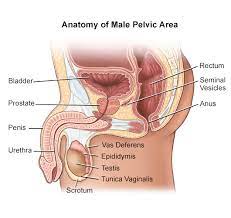
The penis is composed of two major external parts:
- The Shaft: The elongated portion, often mistaken for a muscle, but actually made up of specialized erectile tissues.
- The Glans (Head): The sensitive, bulbous end of the penis, which continues from one of the internal erectile tissues.
The shaft is covered with skin, while the glans is more delicate and often shielded by the foreskin—a retractable fold of skin that can be removed through circumcision. The foreskin is anchored by a band of tissue called the frenulum, located underneath the glans.
Running through the entire length of the penis is the urethra, a dual-purpose canal that allows the passage of both urine from the bladder and semen from the reproductive organs.
Erectile Tissues: The Core Structures
The penis is built around three columns of spongy tissue:
- Corpora Cavernosa (two columns): Positioned on the upper side of the penis, responsible for rigidity during erection.
- Corpus Spongiosum: Located beneath the corpora cavernosa, surrounding the urethra, and continuing forward to form the glans.
These tissues are not muscles but vascular structures designed to fill with blood, making erections possible.
How Erections Work
The Vascular Process of Erection 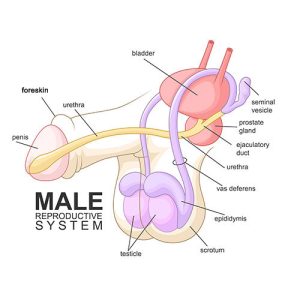
Unlike some mammals that have an erectile bone (baculum), humans rely solely on blood engorgement to achieve erections. When a man is sexually stimulated—either physically or psychologically—the arteries supplying blood to the penis dilate, allowing increased blood flow into the corpora cavernosa.
The spongy tissues expand and harden, while surrounding membranes compress the veins that usually drain blood away. This restriction ensures that blood remains trapped in the penis, maintaining the erection.
The Role of Nerves and Hormones
The process is not only vascular but also neurological. The parasympathetic nervous system initiates relaxation of penile arteries, while the sympathetic nervous system helps regulate ejaculation. Hormones, particularly testosterone, enhance libido and sensitivity, supporting the erectile mechanism.
Development of the Penis Across the Male Lifespan
From Birth to Puberty
Every male infant is born with a complete set of reproductive organs. However, these remain underdeveloped until puberty. During childhood, the penis grows slowly, but significant changes occur only when hormonal activity begins.
Puberty and Hormonal Influence
Puberty typically occurs between ages 10 and 14, though timing can vary. At this stage, the pituitary gland triggers the testicles to release testosterone, the primary male sex hormone. Testosterone is responsible for:
- Enlargement of the penis and testicles
- Development of secondary sexual characteristics (facial hair, deeper voice, broader shoulders)
- Growth of pubic and body hair
- Increased bone density and muscle mass
By the end of puberty, usually around age 18, penis growth stabilizes. However, environmental and genetic factors can influence both the onset and duration of puberty, occasionally extending growth into the early twenties.
Myths and Misconceptions About Penis Size
The “Body Part Correlation” Myth
A persistent cultural myth suggests that penis size can be predicted by the size of a man’s hands, feet, or nose. Scientifically, this has been debunked. While embryonic development of the penis and limbs involves some overlapping genes, penis growth during puberty is governed solely by testosterone, not by external body proportions.
Genetics and Natural Variability
Penis size varies greatly among men, and much of this variability is linked to genetic inheritance. Some men naturally have larger or smaller penises, but this is not an indicator of masculinity, fertility, or sexual capability.
Brain vs. Sexual Organs Development Hypothesis
Fascinating studies, including research on bats, suggest that developing embryos may allocate resources differently—favoring either larger brains or larger sexual organs. While this remains speculative in humans, it highlights the energy demands of organ development and may explain why penis size differs significantly among individuals.
Modern Perspectives on Penis Enlargement
Penis Exercises and Tissue Expansion
A growing area of interest involves penis enlargement techniques. Programs such as PenisHealth exercises claim to stimulate tissue expansion by applying controlled pressure to the shaft. These exercises aim to increase both length and girth by encouraging the corpora cavernosa to hold more blood.
Safety and Effectiveness
While skeptics dismiss enlargement practices as ineffective, some controlled, consistent routines may improve circulation, elasticity, and erectile performance. However, medical professionals caution that results vary, and improper techniques may cause injury.
Alternative Methods
Other methods include:
- Vacuum pumps: Create temporary engorgement through suction.
- Surgical implants: Used mainly for erectile dysfunction rather than cosmetic enlargement.
- Hormonal treatments: Rarely used, and only in cases of hormonal deficiencies.
It is essential to approach enlargement methods with realistic expectations and consult medical professionals when considering invasive procedures.
The Psychological and Cultural Dimensions
Penis Size and Masculinity
Throughout history, penis size has often been linked to masculinity, virility, and even social status. Ancient art, however, often depicted smaller penises as a sign of intellectual refinement, while larger ones were associated with lust and irrationality.
Modern Media Influence
Today, pornography and unrealistic media portrayals perpetuate the idea that “bigger is better.” This has contributed to widespread penis anxiety among men, even though scientific studies show that most women prioritize confidence, intimacy, and emotional connection over size.
Penis Health and Hygiene
Importance of Hygiene
Maintaining proper genital hygiene is vital for preventing infections such as balanitis (inflammation of the glans) and urinary tract infections. For uncircumcised men, cleaning under the foreskin is particularly important.
Common Medical Concerns
- Erectile Dysfunction (ED): Often linked to cardiovascular issues, diabetes, or stress.
- Peyronie’s Disease: Development of fibrous scar tissue causing curvature.
- Priapism: Prolonged, painful erection requiring medical attention.
Lifestyle Factors for Penis Health
- Regular exercise to improve blood circulation
- A balanced diet rich in zinc, vitamin D, and omega-3 fatty acids
- Avoiding smoking and excessive alcohol, which impair vascular function
- Managing stress to maintain hormonal balance
Conclusion
The penis, far from being a simple organ, is a complex structure central to both reproductive and urinary systems. Its anatomy—comprising the shaft, glans, foreskin, urethra, and erectile tissues—works in harmony with the nervous and vascular systems to achieve erections and facilitate reproduction.
Development from birth through puberty is governed by testosterone, while myths about penis size remain persistent despite scientific evidence to the contrary. Furthermore, modern discussions about enlargement, sexual performance, and health highlight the need for a balanced perspective rooted in medical science rather than cultural myths.
Ultimately, understanding the penis involves not only anatomy and physiology but also awareness of psychological, cultural, and health dimensions. By separating fact from fiction, men can better appreciate their bodies, maintain genital health, and dismiss unnecessary anxieties about size or function.
Preventing and Managing Diabetes