
 By admin
A Cure for the Age-Old Problem of Hair Loss: Modern Solutions, Treatments, and Preventive Strategies
Introduction
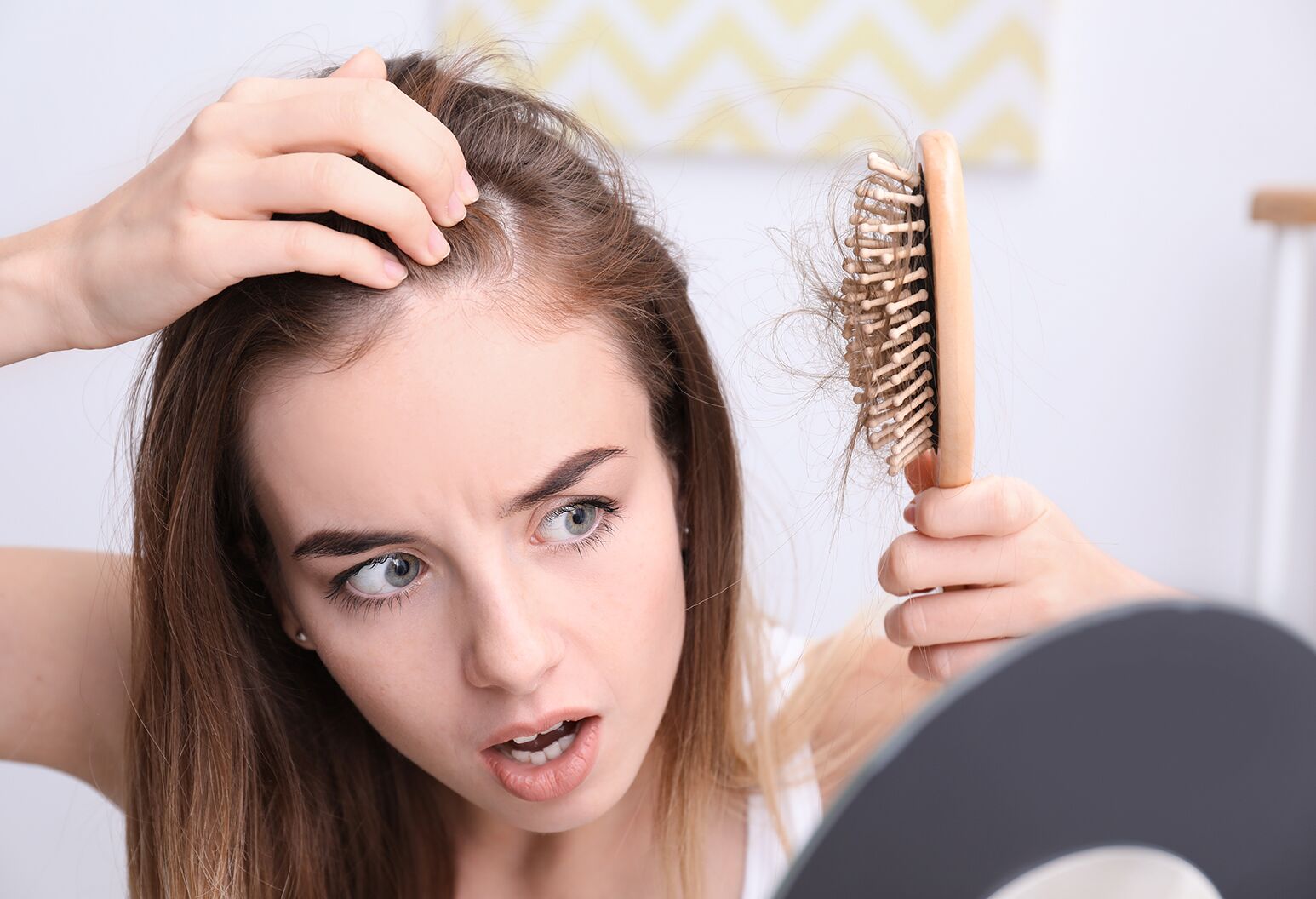
Hair loss is one of the most common cosmetic and medical concerns worldwide, affecting millions of men and women alike. For centuries, people have searched for a cure for thinning hair, bald patches, and receding hairlines. Today, thanks to medical research, biotechnology, and advanced cosmetics, we have more effective treatments and solutions than ever before.
While many men are still considered the most frequent sufferers of hair loss, women also experience this condition in significant numbers. In fact, recent studies show that over 50% of women experience noticeable hair thinning by the age of 50, while nearly 70% of men face some form of hair loss in their lifetime. The emotional toll of hair loss is often underestimated—it affects self-esteem, confidence, and even mental health.
The good news is that modern science has made tremendous progress. From FDA-approved medications and minimally invasive surgical options to natural remedies and lifestyle changes, today’s market offers a wide range of options to address hair loss. This article explores the causes, latest treatments, and preventive strategies for hair loss, while helping readers navigate through the overwhelming amount of information available online.
Understanding Hair Loss
What Causes Hair Loss?
Hair loss (medically termed alopecia) can occur for a variety of reasons, including:
- Genetics – Hereditary baldness (androgenetic alopecia) is the most common cause.
- Hormonal changes – Pregnancy, menopause, thyroid disorders, and hormonal imbalances often trigger hair shedding.
- Medical conditions – Autoimmune diseases, scalp infections, and chronic illnesses may contribute.
- Medications – Chemotherapy drugs, blood thinners, and antidepressants can induce temporary or permanent hair loss.
- Stress and lifestyle – High stress, poor diet, smoking, and lack of sleep often accelerate hair thinning.
Understanding the root cause is critical to finding the most effective solution. This is why consulting a healthcare provider or a trichologist (hair specialist) should be the first step before choosing any treatment.
Modern Treatments for Hair Loss
FDA-Approved Medications
- Minoxidil (Rogaine)
- Available over the counter in foam or liquid form.
- Stimulates hair follicles, increases blood flow, and encourages regrowth.
- Works for both men and women but requires consistent use.
- Finasteride (Propecia)
- Prescription-only oral medication for men.
- Blocks the hormone DHT (dihydrotestosterone), which shrinks hair follicles.
- Proven to slow hair loss and encourage regrowth.
- Low-Level Laser Therapy (LLLT)
- FDA-cleared devices use red light to stimulate follicle activity.
- Available as helmets, combs, or caps.
- Effective when used consistently over several months.
Surgical Solutions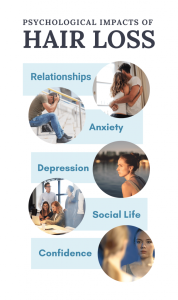
- Hair Transplant Surgery
- Follicular Unit Transplantation (FUT) and Follicular Unit Extraction (FUE) are the most common techniques.
- Provides natural, long-lasting results.
- Increasingly popular due to advancements in precision and reduced recovery times.
- Scalp Micropigmentation
- Non-surgical cosmetic tattooing technique.
- Creates the appearance of thicker hair or a buzz-cut look.
- Ideal for individuals not eligible for transplants.
Natural and Alternative Remedies
- Nutritional supplements – Biotin, zinc, vitamin D, and omega-3 fatty acids support hair strength.
- Essential oils – Rosemary, peppermint, and lavender oils may stimulate follicles.
- Platelet-Rich Plasma (PRP) Therapy – Uses a patient’s own blood plasma, injected into the scalp to encourage growth.
- Ayurvedic and herbal treatments – Ancient remedies like amla, bhringraj, and fenugreek are gaining popularity.
Lifestyle and Preventive Strategies
Diet and Nutrition
- A protein-rich diet supports keratin production, the building block of hair.
- Foods rich in iron, vitamin E, and antioxidants help maintain scalp health.
- Hydration and balanced meals are essential to slow thinning.
Stress Management
- Chronic stress is a known trigger for hair loss.
- Practices like yoga, meditation, and breathing exercises can significantly reduce stress-related shedding.
Scalp Care and Hygiene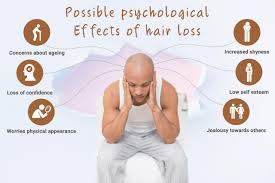
- Using mild shampoos free of sulfates and parabens protects follicles.
- Regular scalp massages improve blood circulation.
- Avoiding excessive heat styling and harsh chemicals prevents damage.
The Psychological Impact of Hair Loss
Hair loss is not just a physical change—it’s an emotional journey. Many individuals report feelings of insecurity, anxiety, and even depression due to hair thinning or baldness. Studies highlight that restoring hair (or even finding coping mechanisms such as embracing baldness) often improves confidence and overall mental well-being.
Counseling, support groups, or online communities can provide emotional relief and empower individuals to take control of their condition.
The Role of Technology and Innovation
In the digital age, the Internet has become the first stop for anyone seeking a cure for hair loss. Online reviews, medical forums, and telemedicine services provide access to professional advice without leaving home.
Some of the latest innovations include:
- AI-powered scalp analysis tools – Personalized treatment recommendations.
- 3D-printed hair grafts – Experimental but promising.
- Stem cell therapy – Cutting-edge research showing early signs of success.
These breakthroughs are shaping the future of hair restoration and may soon offer permanent solutions.
Choosing the Right Treatment
When looking for the right solution, consider these key steps: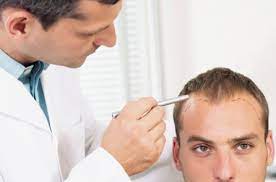
- Consult a doctor – Identify the root cause first.
- Research treatment options – Understand side effects, costs, and long-term commitment.
- Set realistic expectations – Not every treatment works for everyone.
- Be patient – Most solutions take months before showing visible results.
Embracing Change
While many people choose medical or cosmetic treatments, others embrace baldness as part of their identity. Celebrities, athletes, and influencers have popularized the bald look, helping many feel more confident without hair restoration.
The choice between seeking treatment or embracing hair loss is deeply personal. What matters most is finding a path that enhances confidence, self-acceptance, and overall well-being.
Conclusion
Hair loss may be an age-old problem, but modern science, advanced technology, and evolving cosmetic options have transformed the way we treat and cope with it. Whether through medications, surgery, natural remedies, or lifestyle changes, there are now numerous ways to manage or reverse hair loss.
The key lies in identifying the cause, consulting professionals, and selecting the treatment that aligns with individual needs and preferences. With persistence, research, and the right approach, people today have more power than ever before to take control of their hair health.
Ultimately, hair loss doesn’t define a person’s worth or beauty. Whether one chooses restoration or acceptance, confidence comes from within.
Modern Perspectives on Penis Enlargement