
 By admin
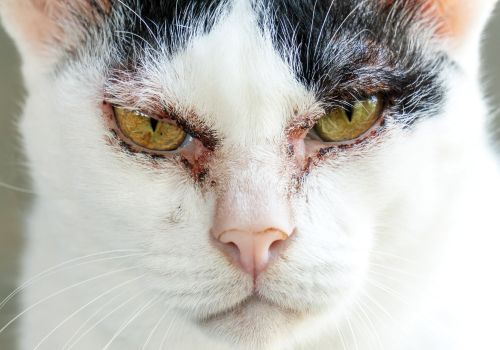
Dealing with Cat Allergies: Causes, Symptoms, and Modern Solutions
Introduction
Cats are among the most cherished pets worldwide, adored for their independence, affectionate personalities, and ability to bring comfort to millions of households. In the United States alone, more than 45 million households own at least one cat, making felines the second most popular companion animal after dogs. However, for millions of people, this love comes at a cost: cat allergies.
Cat allergies are one of the most common forms of pet-related allergies, affecting an estimated 10–20% of the global population and over 10 million people in the U.S. alone. The problem extends beyond mere sneezing or watery eyes—it can interfere with sleep, daily comfort, and in some cases, even trigger serious asthma attacks.
In this comprehensive guide, we’ll explore what causes cat allergies, the science behind allergic reactions, the range of symptoms, and the latest treatments and prevention strategies. Whether you’re a lifelong cat owner struggling with newfound symptoms, or someone considering adopting a feline friend despite being allergy-prone, this article provides the modern insights you need to manage cat allergies effectively.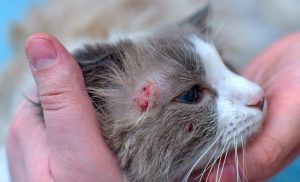
Understanding the Science of Cat Allergies
What Triggers Cat Allergies?
The primary culprit behind cat allergies is not fur itself, but rather a combination of proteins found in a cat’s skin cells (dander), saliva, and urine. The most well-known allergen is a protein called Fel d 1, which cats produce in their sebaceous glands and saliva. When cats groom themselves, they spread this protein across their fur, which then dries and becomes airborne in the form of microscopic particles.
These allergens are incredibly lightweight and sticky, meaning they can cling to furniture, clothing, and even circulate through ventilation systems. This explains why someone can have an allergic reaction in a home where no cat is currently present—the allergens remain in the environment long after the animal is gone.
Why Do Allergic Reactions Occur?
Allergies are essentially misfires of the immune system. In the case of cat allergies, the immune system mistakes harmless proteins like Fel d 1 as dangerous invaders. To defend the body, the immune system releases chemicals such as histamines, which cause inflammation and trigger symptoms like sneezing, runny nose, or skin irritation.
Genetics also play a role—people with a family history of allergies, asthma, or eczema are more likely to develop cat allergies. Additionally, exposure patterns matter: some children raised around cats from birth seem to develop tolerance, while others become sensitized and allergic.
Recognizing the Symptoms of Cat Allergies
Common Symptoms
Cat allergies manifest differently depending on the individual and the severity of their sensitivity. The most common symptoms include:
- Sneezing and nasal congestion
- Runny or itchy nose
- Red, watery, or itchy eyes
- Coughing or wheezing
- Itchy skin or hives
- Postnasal drip
Severe Reactions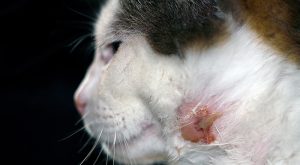
For some people, cat allergens can trigger asthma attacks or worsen existing respiratory conditions. Symptoms may include:
- Shortness of breath
- Chest tightness
- Difficulty sleeping due to breathing problems
- Increased frequency of asthma attacks
Misdiagnosis Risks
Because symptoms of cat allergies overlap with seasonal allergies (hay fever) or common colds, people often misinterpret their condition. However, if symptoms worsen indoors, especially around cats or in households with cats, cat allergy is a likely culprit.
Modern Treatment Options for Cat Allergies
Over-the-Counter Medications
- Antihistamines – Drugs like loratadine (Claritin), cetirizine (Zyrtec), and fexofenadine (Allegra) help reduce sneezing, itching, and watery eyes.
- Decongestants – Medications such as pseudoephedrine (Sudafed) relieve nasal congestion by shrinking swollen nasal tissues.
- Nasal Corticosteroid Sprays – Prescription sprays like fluticasone (Flonase) and mometasone (Nasonex) reduce inflammation in nasal passages, improving breathing.
Prescription Treatments
- Allergy Shots (Immunotherapy): Administered over several years, these injections expose the immune system to increasing doses of cat allergens to build tolerance.
- Sublingual Immunotherapy (SLIT): A newer treatment involving dissolvable tablets placed under the tongue, offering a needle-free alternative.
- Biologic Medications: In severe cases, biologics like omalizumab (Xolair) can be prescribed to block the allergic response.
Managing Asthma Linked to Cat Allergies
For patients with allergy-induced asthma, inhalers (bronchodilators or corticosteroids) may be prescribed alongside allergy medications to control both conditions effectively.
Practical Ways to Reduce Cat Allergens at Home
Home Environment Adjustments
- Frequent Cleaning – Vacuum with a HEPA filter, wash bedding and curtains regularly, and dust with damp cloths to trap allergens.
- Air Purification – Invest in HEPA air purifiers to reduce airborne allergens.
- Allergy-Friendly Zones – Keep cats out of bedrooms or other “safe spaces” to minimize exposure.
Cat Care Strategies
- Regular Grooming – Bathing cats occasionally (with vet-approved shampoo) and brushing them can help reduce dander.
- Diet and Health – A healthy diet may improve skin condition, potentially lowering dander production.
- Wipes and Sprays – Special anti-allergen wipes or sprays can neutralize allergens on a cat’s fur.
Lifestyle Adjustments for Allergy Sufferers
- Wash hands immediately after handling cats.
- Change clothes after prolonged contact.
- Use allergy-proof covers on pillows and mattresses.
Emerging Research and Future Solutions
Hypoallergenic Cat Breeds
Some cat breeds, such as the Siberian, Balinese, and Russian Blue, are believed to produce lower levels of Fel d 1, though no breed is completely allergen-free.
Lab-Grown Solutions
Recent breakthroughs include the development of HypoCat, a vaccine designed for cats that reduces their production of Fel d 1 protein. Early trials have shown promising results, offering hope for cat owners who struggle with allergies.
Genetic Research
Scientists are also exploring genetic modification and advanced therapies to reduce allergen production in cats without harming their health, potentially revolutionizing the future of pet ownership for allergy sufferers.
The Emotional Challenge of Cat Allergies
The Bond Between Humans and Cats
For many, the thought of rehoming a beloved pet due to allergies is heartbreaking. Cats provide emotional support, companionship, and stress relief, making it difficult to part ways.
Finding a Balance
With modern treatments, improved home care, and ongoing research, most people with cat allergies do not need to give up their pets. Instead, a combination of medical and lifestyle strategies can make coexistence possible.
Conclusion
Cat allergies, while common and sometimes severe, no longer need to mean the end of cat ownership. With greater understanding of allergens like Fel d 1, modern medicine offers multiple ways to reduce symptoms—from antihistamines and immunotherapy to lifestyle changes and emerging hypoallergenic solutions.
While prevention through allergen reduction remains crucial, ongoing research into cat vaccines and genetic approaches holds the promise of a future where allergy sufferers can live comfortably alongside their feline companions. For now, balancing medical treatments, home strategies, and pet care allows millions to continue enjoying the joys of cat ownership without sacrificing health.
Thrills and Challenges of Barrel Racing