
 By admin
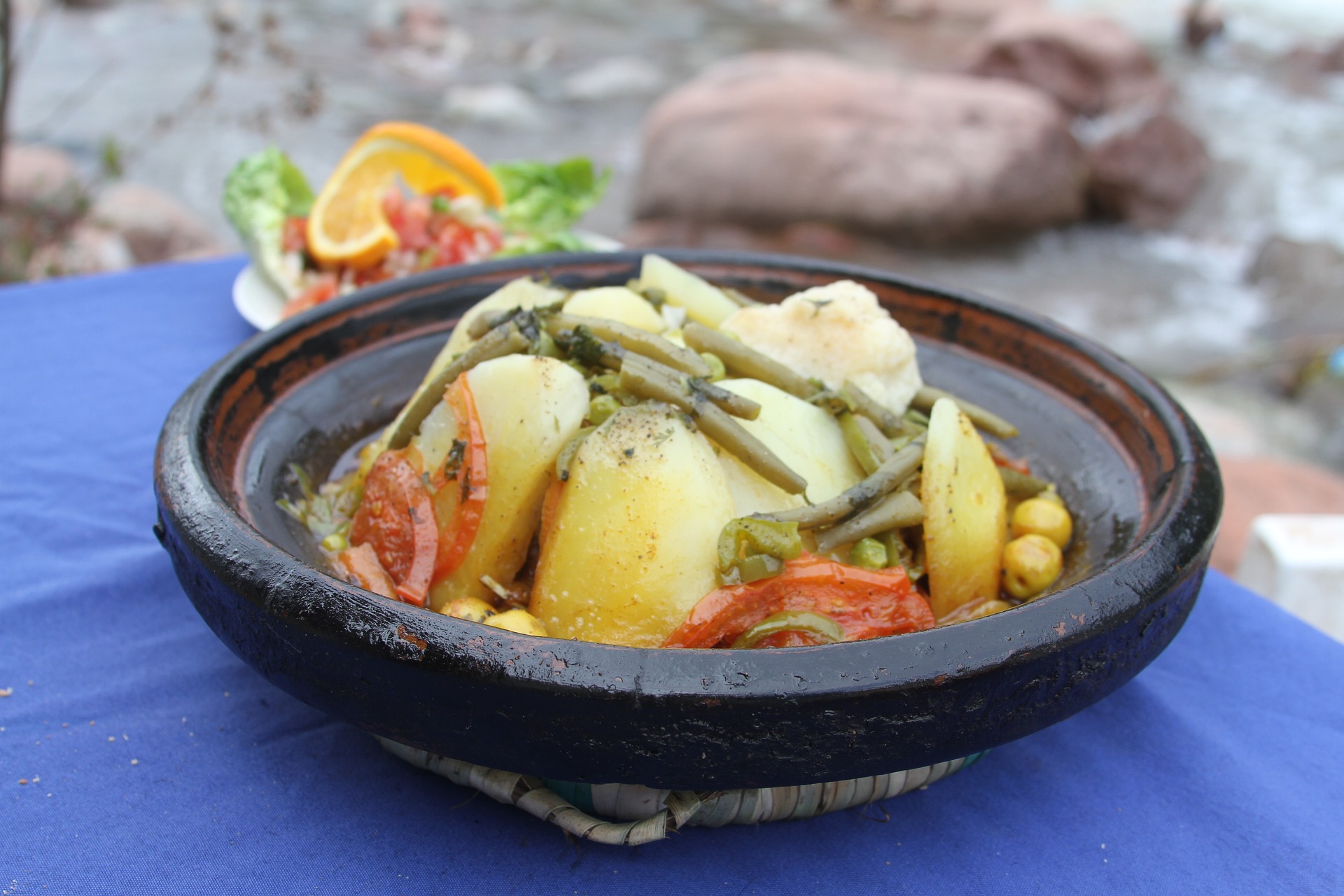
How to Prepare a Traditional Moroccan Tajine with Meat and Vegetables
Moroccan cuisine is renowned for its rich flavors, aromatic spices, and vibrant dishes, and the tajine stands as one of its most iconic culinary masterpieces. The tajine is both the name of the dish and the earthenware pot in which it is traditionally cooked. This guide will walk you through a detailed, professional approach to preparing a Moroccan tajine with meat and vegetables, ensuring you capture the authentic flavors of Morocco in your own kitchen.
Ingredients
Before diving into the cooking process, it’s essential to gather the right ingredients. Authenticity comes from the combination of fresh produce, high-quality meat, and a balanced blend of spices.
For the Tajine
- Meat: 1.5 kg (3.3 lbs) of lamb or beef (bone-in pieces preferred for richer flavor)
- Vegetables:
- 3 medium carrots, peeled and cut into thick sticks
- 2 large potatoes, peeled and quartered
- 1 zucchini, sliced
- 1 bell pepper, cut into strips
- 1 handful of green beans, trimmed
- 1 tomato, sliced
- Optional: 1 small eggplant, cubed
- Onions: 2 large onions, finely chopped
- Garlic: 3 cloves, minced
Spices and Herbs
- 1 teaspoon ground ginger
- 1 teaspoon ground turmeric
- 1 teaspoon paprika
- 1 teaspoon ground cinnamon (optional for a sweeter profile)
- 1/2 teaspoon ground black pepper
- 1/4 teaspoon cayenne pepper (optional for heat)
- Salt to taste
- 2 tablespoons chopped fresh parsley
- 2 tablespoons chopped fresh cilantro
Other Ingredients
- 4 tablespoons olive oil
- 1 cup water or broth
- Juice of half a lemon
- A handful of green or black olives (optional)
- Preserved lemon slices (optional for garnish)
Equipment
- A traditional tajine pot (or a heavy-bottomed Dutch oven as a substitute)
- Sharp knife
- Cutting board
- Mixing bowl
Step-by-Step Preparation
1. Preparing the Base Layer
The base layer of a tajine usually consists of onions and a bit of oil, which prevents the meat and vegetables from sticking to the bottom.
- Place your tajine pot on low heat (if using a traditional earthenware pot) or preheat your Dutch oven.
- Spread the chopped onions evenly across the base and drizzle 2 tablespoons of olive oil over them.
2. Marinating the Meat
To achieve depth of flavor, marinating the meat is a crucial step.
- In a bowl, mix the ginger, turmeric, paprika, black pepper, and salt. Add half of the parsley and cilantro.
- Coat the meat pieces thoroughly with the spice mixture. Allow the meat to marinate for at least 30 minutes; for best results, marinate overnight in the refrigerator.
- Once marinated, place the meat on top of the onions in the tajine.
3. Arranging the Vegetables
The art of a tajine lies in its beautiful presentation. Arrange the vegetables around and on top of the meat in a circular or pyramid-like fashion.
- Start with the firmer vegetables (carrots and potatoes) at the bottom, as they take longer to cook.
- Layer the softer vegetables (zucchini, bell peppers, and green beans) on top.
- Add the tomato slices last, as they will release juices that enhance the sauce.
4. Adding Liquid and Spices
- Mix 1 cup of water or broth with the minced garlic, remaining olive oil, and a pinch of salt.
- Pour this mixture gently into the tajine, avoiding direct contact with the lid.
- Sprinkle the remaining parsley and cilantro over the vegetables.
- For an extra layer of flavor, place preserved lemon slices and olives on top.
5. Cooking the Tajine
Cooking a tajine requires patience and low heat to allow the flavors to meld together harmoniously.
- Cover the tajine with its lid and cook on very low heat for 2 to 3 hours. If using a Dutch oven, maintain the heat at a simmer.
- Check periodically to ensure there is enough liquid. If it looks dry, add small amounts of water or broth as needed.
- Avoid stirring the tajine; the layered arrangement should remain intact.
6. Serving the Tajine
- Once the meat is tender and the vegetables are cooked through, your tajine is ready to serve.
- Traditionally, tajine is eaten directly from the pot, using Moroccan bread to scoop up the contents.
- Garnish with fresh parsley or cilantro before serving for a final touch of color.
Tips for Success
- Choosing the Right Tajine Pot: If you’re using a traditional clay tajine, soak it in water for an hour before first use to prevent cracking.
- Spice Balance: Moroccan cooking emphasizes balance. Adjust spices to your taste, but avoid overwhelming the dish with a single flavor.
- Heat Control: Traditional tajines require low, steady heat to prevent cracking and ensure even cooking.
- Experiment with Additions: For a sweeter variation, add dried fruits like prunes or apricots during the last 30 minutes of cooking.
Cultural Significance
The tajine is more than just a dish; it’s a communal experience. In Moroccan culture, meals are often shared, and the tajine symbolizes warmth, hospitality, and tradition. Each region in Morocco has its unique take on the dish, reflecting local ingredients and customs.
Conclusion
Preparing a Moroccan tajine with meat and vegetables is a rewarding culinary journey that combines artistry, tradition, and flavor. By following these steps, you’ll create a dish that not only satisfies the palate but also brings a touch of Moroccan culture to your table. Whether it’s a family dinner or a special occasion, the tajine is sure to impress.