
 By admin
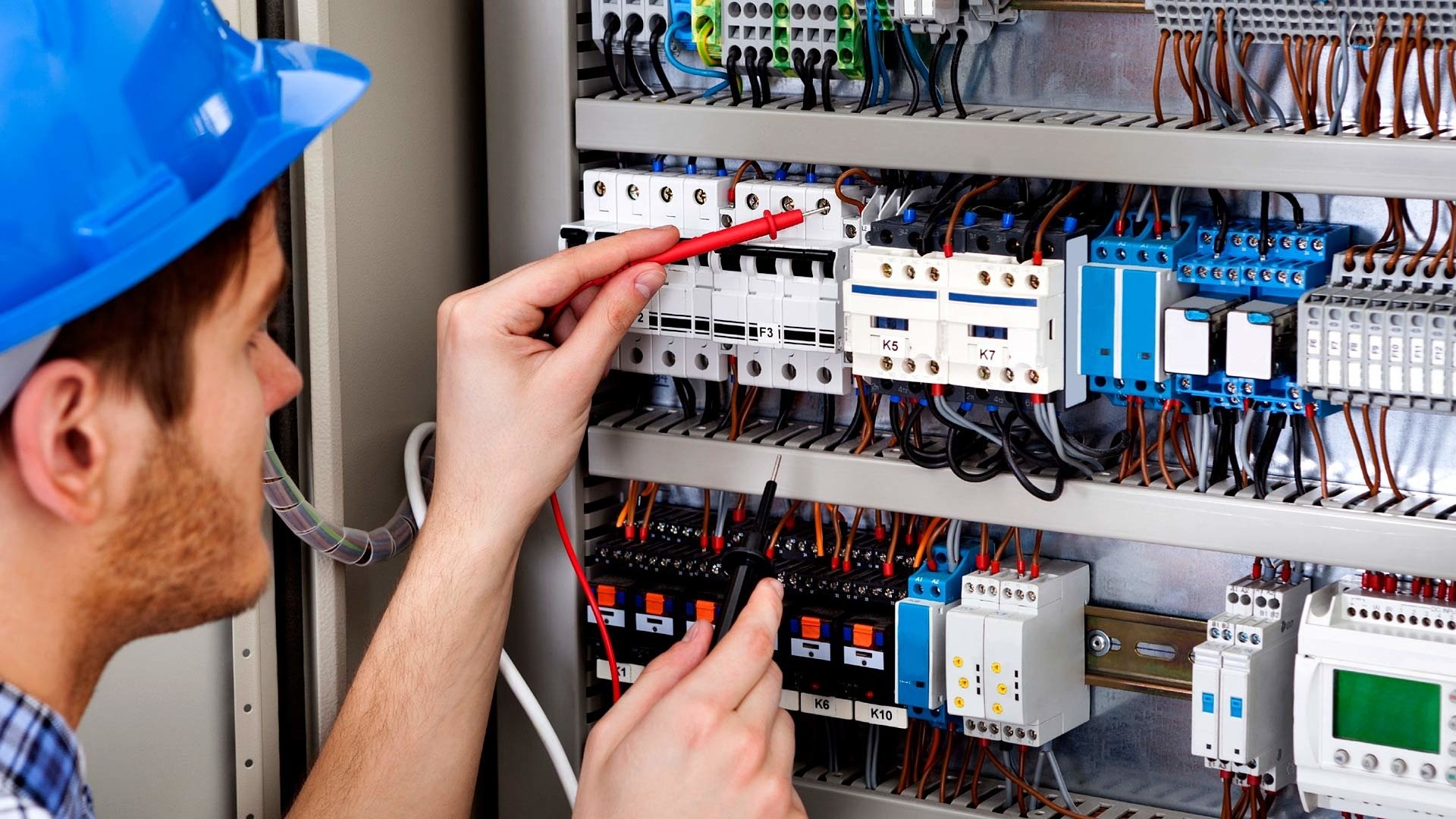
Electricians are highly skilled professionals who install, maintain, and repair electrical systems in residential, commercial, and industrial settings. Their work requires a combination of manual dexterity, in-depth knowledge of electrical concepts, and familiarity with various electrical materials. Electricians typically specialize in construction or maintenance, though some handle both. Their responsibilities include testing, installing, connecting, and ensuring the proper functioning of electrical systems for diverse applications. Electricians also contribute significantly to industries and businesses by maintaining and troubleshooting electrical systems. Interestingly, several related occupations share similarities with the work of electricians, each offering unique roles and responsibilities.
HVACR Technicians: The Closest Counterparts
One of the most closely related professions to electricians is that of heating, ventilation, air conditioning, and refrigeration (HVACR) technicians. These professionals, often referred to simply as HVACR technicians, specialize in installing, repairing, and maintaining climate control systems. Like electricians, they require extensive technical training and practical expertise.
HVACR systems include complex mechanical and electrical components, which means technicians must understand electrical wiring, power supply configurations, and electronic control systems. Their tasks often overlap with those of electricians, particularly when installing or maintaining systems that integrate electrical heating or cooling units. The demand for skilled HVACR technicians continues to grow as modern buildings increasingly rely on sophisticated climate control systems.
Line Installers and Repairers: Powering Communities
Another occupation related to electricians is that of line installers and repairers. These professionals play a critical role in the infrastructure of power distribution and telecommunication systems. They work with electrical power lines, transformers, and substations, ensuring the reliable delivery of electricity and communication signals.
Line installers and repairers need a solid understanding of electrical power distribution, fiber optics, and telecommunication networks. Their duties include setting up new lines on utility poles, towers, or underground trenches, as well as maintaining existing infrastructure. This job demands physical endurance and specialized training to safely handle high-voltage systems and complex network configurations. Their work is essential for maintaining the functionality of modern utilities and communication systems.
Electrical and Electronics Installers and Repairers: Field Experts
Electrical and electronics installers and repairers are another group of professionals whose work closely aligns with that of electricians. These technicians focus on installing, maintaining, and repairing complex electrical equipment used in businesses and organizations. They are often referred to as field technicians due to the on-site nature of their work.
Their responsibilities include performing regular preventive maintenance, diagnosing system issues, and executing repairs. Field technicians frequently work with specialized equipment such as industrial control systems, power generators, and communication networks. Their expertise ensures that essential systems operate efficiently, minimizing downtime for businesses and organizations.
Home Entertainment Equipment Technicians: Specialists in Modern Gadgets
Home entertainment equipment installers and repairers, also known as service technicians, represent another occupation related to electricians. These professionals handle the installation and maintenance of various electronic devices commonly found in households. Their expertise includes repairing televisions, stereos, video cameras, and other electronic gadgets. Additionally, they install sophisticated systems like home theaters, security setups, satellite dishes, and intercoms.
The growing popularity of smart homes and advanced entertainment systems has led to a rising demand for skilled service technicians. Like electricians, these professionals require technical knowledge and hands-on training to manage complex installations and ensure seamless functionality.
Elevator Installers and Repairers: Precision in Vertical Transportation
Elevator installers and repairers form a niche but highly specialized occupation closely related to electricians. These professionals are responsible for assembling, installing, and maintaining elevators, escalators, moving walkways, and other similar systems. Their expertise extends to repairing and modernizing old equipment to meet current safety and performance standards.
To excel in this field, elevator installers and repairers must understand electrical systems, electronics, and hydraulics. They also need strong mechanical skills to handle the assembly and alignment of heavy components. Given the critical nature of their work in ensuring the safety and efficiency of vertical transportation systems, they undergo rigorous training and certification.
Skills and Knowledge Overlap Across Occupations
All these related occupations share several commonalities with electricians, particularly in terms of the skills and knowledge required:
- Technical Expertise: Each profession demands a thorough understanding of electrical systems, circuits, and components.
- Problem-Solving Skills: Diagnosing and resolving system issues is a core aspect of all these roles.
- Physical Dexterity: Whether installing cables, repairing systems, or assembling equipment, manual skill is essential.
- Safety Awareness: Working with electricity and heavy machinery necessitates strict adherence to safety protocols.
- Continuous Learning: As technology evolves, professionals in these fields must stay updated with new tools, techniques, and regulations.
Career Prospects and Opportunities
The demand for skilled workers in these occupations remains strong, driven by advancements in technology and infrastructure development. Each role offers unique career pathways and opportunities for specialization. For instance:
- Electricians: Opportunities to specialize in green energy installations, such as solar panel systems.
- HVACR Technicians: Growing demand for energy-efficient and environmentally friendly systems.
- Line Installers and Repairers: Expansion of smart grids and renewable energy infrastructure.
- Field Technicians: Increased reliance on automation and industrial electronics.
- Service Technicians: Rising adoption of smart home technologies.
- Elevator Installers and Repairers: Continued urbanization and high-rise construction.
Conclusion
Electricians and their related professions form the backbone of modern infrastructure, ensuring the safe and efficient operation of electrical and mechanical systems. From HVACR technicians and line installers to elevator repairers and service technicians, these roles share a foundation in technical expertise, problem-solving, and a commitment to safety. As technology advances, the demand for skilled workers in these fields will continue to grow, offering exciting and rewarding career opportunities for those with the necessary training and skills.