
 By admin
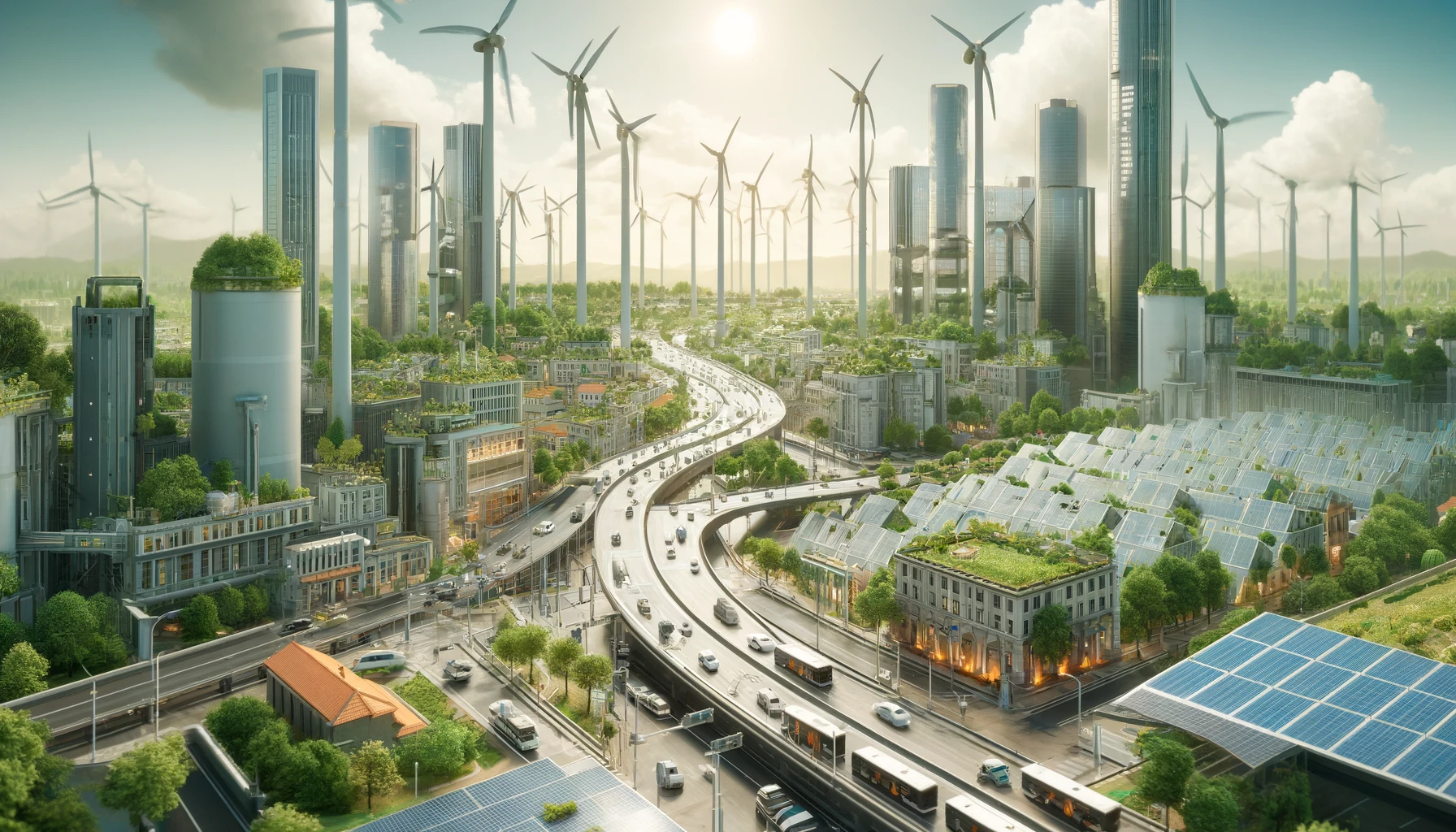
Green energy continues to grow as a key driver of global efforts to combat climate change. Recent updates highlight significant progress, but also underline challenges in achieving global renewable energy goals.
- Renewable Energy Capacity: At COP28 in Dubai (2023), world leaders committed to tripling renewable energy capacity by 2030. Solar and wind power remain the most rapidly growing sources, with emerging technologies like hydrogen and advanced bioenergy gaining traction. However, the expansion is uneven, with some regions lagging in implementation due to policy, infrastructure, and investment barriers【18】【19】.
- Key Innovations: The International Energy Agency’s Renewables 2024 report emphasizes breakthroughs in hydrogen production and renewable fuels like e-fuels and biogases. These technologies are increasingly crucial for decarbonizing transportation, heating, and industrial sectors【20】.
- Investment Trends: Global investment in clean energy has reached record levels, with a particular focus on scaling up electricity grids and storage systems to support renewable integration. These efforts are essential as electricity demand continues to rise, driven by the electrification of vehicles and heating systems【18】.
- Policy and Economic Challenges: While the renewable energy sector is advancing, fossil fuels still dominate in major economies, slowing the transition. To meet climate targets, enhanced policies, international cooperation, and financial incentives are needed to accelerate adoption【19】【20】.
Overall, while there is significant momentum, much more needs to be done globally to ensure the green energy transition aligns with the Paris Agreement and the 1.5°C climate target. For further details, you can explore the reports from the IEA and IRENA.