
 By admin
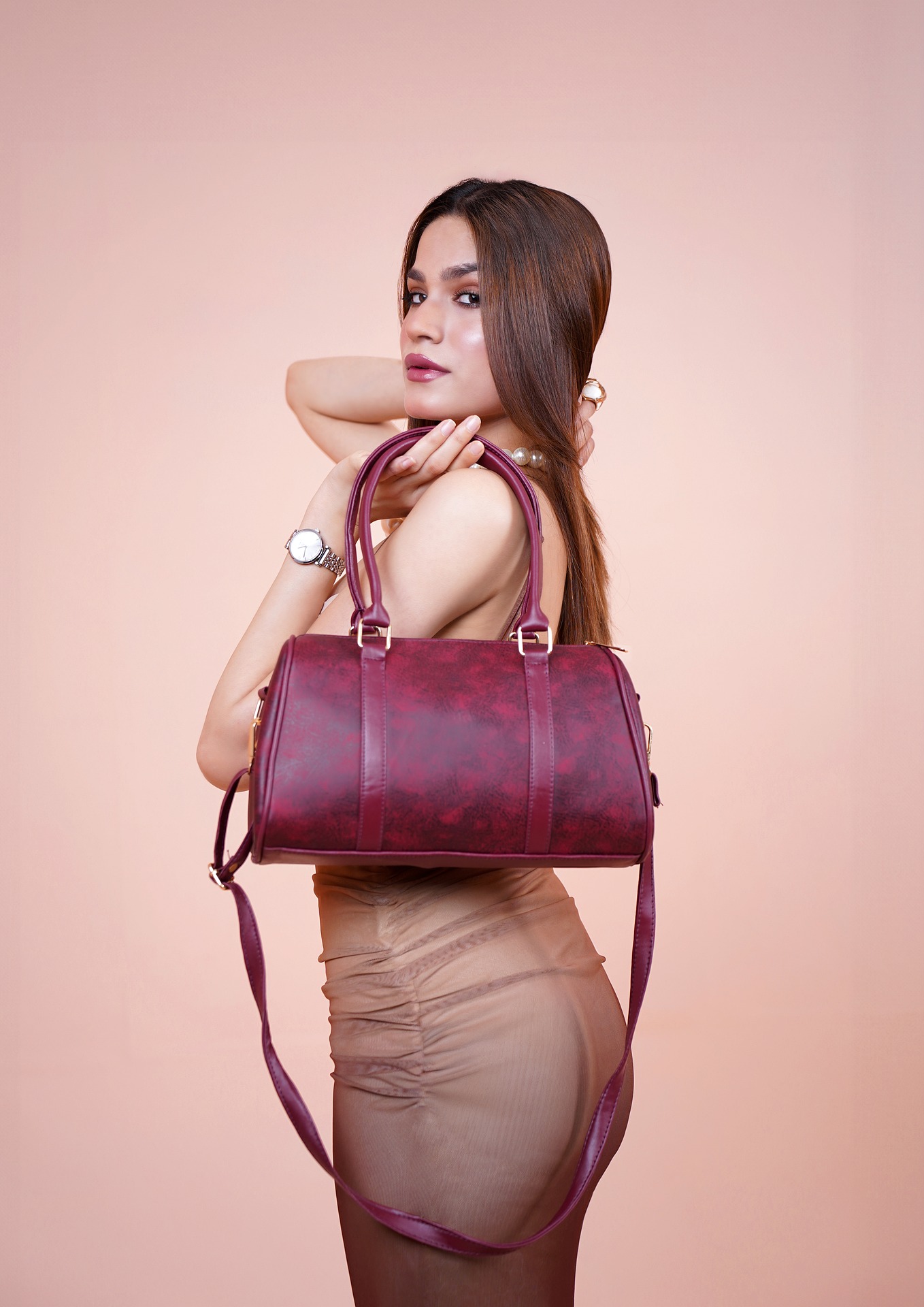
Handbags have become the crown jewels of the modern fashion world, transcending their functional purpose to emerge as coveted symbols of style, status, and individuality. Often described as the “it” accessory, these bags have redefined luxury fashion and ignited a global frenzy among style enthusiasts. In this cultural shift, handbags have taken on a role strikingly similar to that of classic cars—an arena long dominated by male collectors—where rarity, craftsmanship, and iconic status determine their value and desirability.
A Cultural Shift: The Handbag as the Ultimate Accessory
In recent years, handbags have replaced shoes as the quintessential statement piece for the style-conscious. Unlike shoes, which experience wear and tear that limits their lifespan, handbags offer both utility and longevity, making them an investment-worthy item. The term “it bag” gained prominence in the early 2000s, referring to bags that are both instantly recognizable and highly sought after. These accessories are not just an extension of an outfit; they are cultural artifacts that embody a designer’s vision and a consumer’s aspirations.
This phenomenon came into sharp focus during the release of Anya Hindmarch’s “I’m Not a Plastic Bag” tote. Sold by Sainsbury’s for a mere £5, the eco-friendly cotton bags became a sensation, with resales on platforms like eBay exceeding £150 within hours. This moment underscored the power of branding, exclusivity, and sustainability in driving demand for fashion items. According to Monica Turcich, a specialist at Christie’s, “Every woman owns a handbag, and every woman desires one that stands out. The demand for unique, rare, and iconic designs has never been higher.”
The Parallels Between Handbags and Classic Cars
The parallels between handbags and classic cars extend beyond the fervor they inspire. Like classic cars, many designer handbags depreciate in value immediately after purchase. However, certain models—notably those that are rare, iconic, or impeccably maintained—can appreciate over time, making them valuable collectibles. For instance, in March of a recent year, Christie’s auctioned a red Hermès crocodile-skin Kelly bag for an astonishing £10,800. Originally purchased in 1994 as a bespoke piece, this bag has since become a “holy grail” item in the world of luxury handbags.
The Hermès Kelly bag, alongside Chanel’s classic quilted handbag, exemplifies timeless design. These bags transcend seasonal trends, retaining their allure and functionality across decades. “While contemporary brands like Chloé create designs that align with current trends, the Kelly and Chanel bags are enduring classics that never go out of style,” Turcich notes. Vintage Kelly bags, for example, can be purchased for as little as £600 and resold for anywhere between £1,000 and £2,000, making them a sound investment for collectors and fashion enthusiasts alike.
The Rise of the “It” Bag Market
The “it” bag phenomenon has transformed the landscape of fashion consumption. Unlike other collectibles—such as fine art or classic cars—handbags are predominantly purchased for use rather than purely as investments. This practicality adds a unique dimension to their value proposition. By choosing a classic bag and maintaining its condition, buyers can enjoy the dual benefits of functionality and potential financial appreciation.
While mass-produced designs like Hindmarch’s “I’m Not a Plastic Bag” tote may not achieve “classic” status, other bags from her collection could. Turcich predicts that as these designs gain recognition in the secondary market, they may soon appear in high-profile auctions. “A few years ago, Kylie Minogue was photographed with a Chloé bracelet bag, sparking a surge in demand. Today, we see those very bags being auctioned at premium prices,” she says. A pristine Chloé bracelet bag is currently estimated at £800-£1,000 in an upcoming Christie’s auction, alongside another Chloé handbag in the same lot.
The Role of Celebrity Endorsement in Handbag Trends
Celebrity endorsement has played a pivotal role in the meteoric rise of the “it” bag. Iconic figures such as Kylie Minogue and Victoria Beckham have been instrumental in elevating lesser-known designs to cult status. Minogue’s recent visit to Tony Durante’s vintage handbag shop at Alfie’s in London exemplifies this trend. She purchased a unique white raffia bag featuring a horse’s head motif for approximately £200. “Kylie loved the bag for its originality,” Durante reveals. “When customers buy from vintage dealers, they are seeking uniqueness—something that ensures they won’t encounter another celebrity carrying the same piece.”
Factors That Determine a Bag’s Value and Longevity
For those looking to retain or grow the value of their handbags, certain factors are crucial:
- Condition: Bags in excellent condition fetch significantly higher prices in the resale market.
- Design: Timeless, elegant designs are more likely to retain their value over time.
- Brand Prestige: Iconic brands like Hermès, Chanel, and Louis Vuitton consistently dominate the high-end market.
- Rarity: Limited-edition or bespoke pieces are particularly desirable.
- Cultural Significance: Bags associated with historic events, iconic figures, or groundbreaking designs tend to appreciate in value.
“It” bags that fail to meet these criteria often lose value as trends evolve. However, true classics—those that blend superior craftsmanship, innovative design, and brand heritage—remain steady investments. The Hermès Birkin, for instance, has consistently demonstrated exceptional performance in the resale market, often fetching prices well above its original retail value.
The Future of Handbags in the Fashion Market
The appreciation for handbags as both art and investment is a testament to the evolution of fashion. In the past, handbags were merely functional accessories; today, they are celebrated for their design, craftsmanship, and cultural resonance. Designers are increasingly treating handbags as works of art, incorporating intricate detailing, premium materials, and innovative techniques to create pieces that resonate with collectors and consumers alike.
As the market continues to grow, the line between fashion and investment becomes increasingly blurred. Handbags are no longer just accessories; they are cultural icons that capture the zeitgeist of their time while offering tangible value to their owners. Whether you’re a collector seeking rare finds or a fashion enthusiast looking for the perfect piece to complement your wardrobe, the allure of the “it” bag remains undeniable.