
 By admin

The Future of Google AdSense: How Monetization Is Evolving in a Data-Driven World
Introduction
Digital advertising has undergone dramatic transformations over the past two decades, reshaping how businesses connect with audiences and how content creators generate revenue. At the center of this evolution stands Google AdSense, one of the most influential monetization platforms ever created. From small niche blogs to major publishing networks, AdSense has enabled millions of website owners to earn income by displaying targeted advertisements.
As technology advances and user behavior shifts, the future of Google AdSense is becoming a subject of intense speculation and strategic interest. Artificial intelligence, privacy regulations, cross-platform advertising, and new media formats are redefining what online advertising can and should be. Publishers are asking critical questions: How will targeting evolve? Will transparency increase? What tools will be available to improve earnings? And how will AdSense adapt to a world where users consume content far beyond traditional websites?
This article explores the future of Google AdSense through a professional, forward-looking lens. By examining algorithmic advancements, advertiser protection, publisher control, offline integration, and emerging technologies such as RSS and AI-driven optimization, we can better understand how AdSense may evolve—and how publishers can prepare for what lies ahead.
The Evolution of Google AdSense: A Brief Overview
When Google launched AdSense in 2003, it revolutionized online advertising by enabling contextual ads to appear seamlessly alongside content. Instead of generic banner ads, users were shown advertisements relevant to what they were reading, while publishers earned revenue based on clicks or impressions.
Over the years, AdSense has grown in sophistication alongside the broader Google advertising ecosystem, closely aligned with Google and its advertising arm, Google Ads. Innovations such as smart pricing, cost-per-mille (CPM) bidding, responsive ad units, and machine-learning-driven targeting have gradually improved both advertiser ROI and publisher earnings.
Yet, the pace of change in digital media suggests that AdSense’s most significant transformations may still lie ahead.
Smarter Targeting Through Artificial Intelligence
Advanced Algorithms and Contextual Understanding
One of the most certain developments in the future of Google AdSense is the continued improvement of ad-targeting algorithms. Google’s search engine has already demonstrated extraordinary progress in understanding user intent, semantics, and context. It is only natural that AdSense will benefit from the same advancements.
Future targeting will likely go beyond simple keyword matching. AI-driven systems will analyze:
- Page context and semantic meaning
- User behavior patterns and engagement signals
- Device type, location, and time-based intent
- Content quality and topical authority
As a result, advertisers will appear in increasingly relevant placements, improving conversion rates while enhancing user experience.
The Decline of Keyword Manipulation
In the past, some publishers attempted to manipulate content by stuffing high-paying keywords to attract lucrative ads. As AI becomes more sophisticated, such tactics will become ineffective. Ads will only appear when content genuinely aligns with advertiser intent.
This shift rewards authentic, high-quality content and discourages exploitative monetization strategies—ultimately strengthening the credibility of the AdSense ecosystem.
Enhanced Protection Against Click Fraud
Why Click Fraud Remains a Critical Issue
Click fraud has long been one of the biggest challenges in online advertising. Fraudulent clicks—whether automated or manual—inflate advertiser costs and undermine trust in the system.
Google has acknowledged this problem repeatedly and continues to invest heavily in detection and prevention technologies.
Future Anti-Fraud Mechanisms
In the future, AdSense and Google Ads are expected to deploy even more advanced safeguards, including:
- Behavioral pattern analysis powered by machine learning
- Improved IP masking detection
- Cross-device and cross-network tracking
- Real-time invalid traffic filtering
High-traffic publishers who previously exploited loopholes to artificially increase click-through rates (CTR) will find it increasingly difficult to bypass these protections.
The result will be a healthier ecosystem where legitimate publishers and advertisers both benefit.
Greater Transparency and Smarter Pricing Models
The Ongoing Debate Over Pricing Transparency
One of the most persistent demands from publishers is greater transparency regarding AdSense pricing. Many content creators want clearer insights into:
- How much advertisers are paying
- How revenue is shared
- Why certain clicks are worth more than others
While Google has historically been reluctant to fully disclose this information, future regulatory pressures and competitive forces may push the company toward partial transparency.
Smart Pricing and Performance-Based Value
Smart pricing—where lower-quality traffic results in reduced earnings—will likely remain a cornerstone of AdSense. However, future pricing models may become more nuanced, incorporating:
- Engagement duration
- Scroll depth and interaction
- User retention signals
This would align monetization more closely with real value creation, rather than simple page views.
Increased Control for Advertisers and Publishers
More Placement Control for Advertisers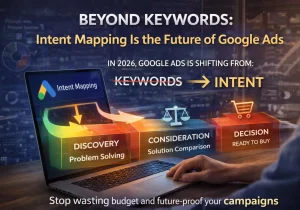
Advertisers increasingly want control over where their ads appear. In the future, AdSense may offer more granular placement options, allowing advertisers to:
- Exclude specific sites or categories
- Target verified, premium content networks
- Choose brand-safe environments
This evolution mirrors existing trends in Google Ads and programmatic advertising.
Expanded Customization for Publishers
Publishers may also gain more control over how ads appear on their sites. Potential features include:
- Keyword inclusion or exclusion preferences
- Advanced ad layout customization
- Performance-based recommendations
While Google has historically limited publisher control to prevent system abuse, future tools may strike a balance between flexibility and integrity.
Cross-Media Expansion: Beyond Websites
AdSense in Offline and Hybrid Media
One of the most intriguing possibilities is the expansion of AdSense-style advertising into offline or hybrid media. While this may sound futuristic, the logic is compelling.
With access to a global network of advertisers, Google could adapt AdSense principles for:
- Digital newspapers and magazines
- Smart TVs and connected devices
- Interactive kiosks and public displays
As media consumption becomes increasingly digital—even in traditionally offline spaces—contextual advertising models could follow.
The Role of Connected Television
Connected and interactive television has long promised targeted advertising, but the internet remains a far more interactive medium. As smart TVs integrate web-based platforms, the boundary between online and offline advertising will continue to blur.
The Rise of RSS and Push-Based Advertising
RSS as a Direct Advertising Channel
RSS (Really Simple Syndication) allows users to receive content updates without visiting a website. The ability to deliver targeted ads directly through RSS feeds represents a powerful opportunity.
Future AdSense developments could include:
- Contextual ads embedded in RSS feeds
- Personalized ad delivery based on feed preferences
- Performance tracking for feed-based advertising
This model reduces reliance on user navigation while increasing ad visibility.
Lessons from Interactive Media
Interactive television and similar technologies have pursued this model for years. However, the internet’s unmatched interactivity and personalization capabilities make it the ideal environment for push-based advertising to succeed.
Advanced Analytics and Publisher Insights
Seeing What Truly Works
Many publishers have long requested deeper insights into which ads, links, and keywords generate clicks and revenue. While full transparency could encourage exploitation, limited analytics may be introduced in safer formats.
Future tools might include:
- Heatmaps showing engagement zones
- Content-level revenue analysis
- AI-generated optimization suggestions
Balancing Insight and Abuse Prevention
Google must carefully balance empowering publishers with protecting the integrity of its advertising ecosystem. Expect analytics to be framed around optimization guidance, rather than raw profit exposure.
AI-Powered Optimization Tools for Publishers
Intelligent Revenue Assistants
One promising idea is the introduction of AI-powered wizards or assistants within AdSense. These tools could:
- Analyze site content and layout
- Identify underperforming pages
- Suggest ad placement and content improvements
Such features would be especially valuable for small publishers and niche websites seeking to improve earnings ethically.
Education Over Exploitation
Rather than encouraging AdSense-only sites designed purely for profit, these tools could emphasize sustainable monetization through quality content and user value.
The Risk of AdSense-Only Websites
A Persistent Challenge
AdSense-only websites—created solely to generate ad revenue—have existed since the platform’s early days. Greater transparency and analytics could inadvertently encourage their growth.
Google’s Likely Response
To counter this risk, Google will likely continue emphasizing:
- Content quality guidelines
- Originality and expertise
- User satisfaction metrics
Sites that fail to provide genuine value may struggle to remain competitive within the AdSense ecosystem.
Adapting to Privacy Regulations and a Cookieless Future
The Impact of Privacy Laws
Global privacy regulations such as GDPR and evolving cookie policies are reshaping digital advertising. AdSense must adapt to a world with reduced third-party data access.
Contextual Advertising Reimagined
Ironically, this shift may strengthen AdSense’s original strength: contextual relevance. By focusing on content rather than user tracking, future AdSense models could deliver effective advertising while respecting privacy.
Conclusion
The future of Google AdSense is not defined by a single breakthrough, but by a convergence of technological, regulatory, and behavioral shifts. Smarter AI-driven targeting, stronger click fraud protection, expanded media integration, and intelligent publisher tools will collectively shape the next generation of monetization.
While much remains speculative, one thing is certain: Google will continue to surprise the digital advertising world with innovations that redefine how content is funded. For publishers, the key to long-term success lies in adaptability—embracing quality, authenticity, and user-centric design rather than chasing short-term gains.
As the digital ecosystem evolves, Google AdSense will remain a powerful platform—but only for those who evolve with it.
The Lasting Value of RSS Websites