
 By admin
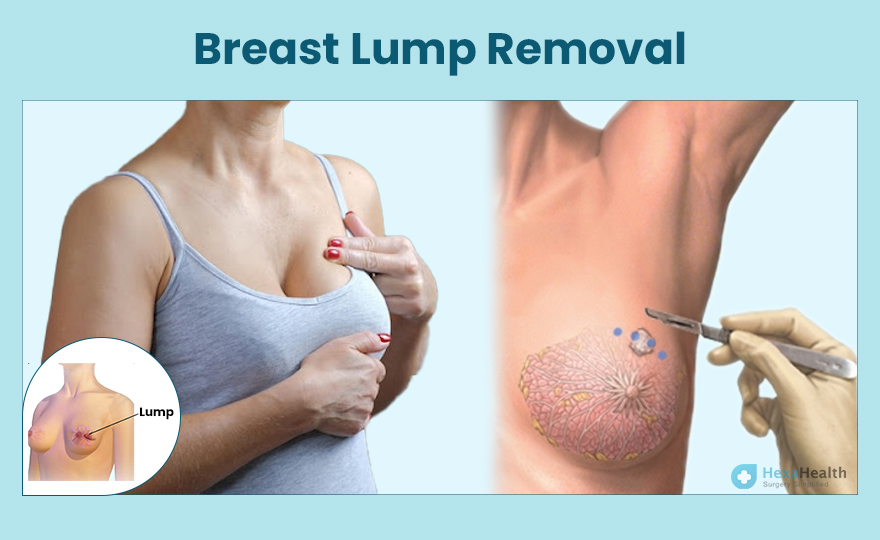
A Decade of Momentum: The Enduring Legacy of BMW Ultimate Drive in the Global Fight Against Breast Cancer
Introduction
Breast cancer remains one of the most prevalent and complex health challenges facing humanity today. Despite extraordinary advances in medical science, public awareness, and early diagnostic technologies, the disease continues to affect millions of women and families worldwide every year. According to the most recent global health data, more than 2.3 million new breast cancer cases are diagnosed annually, making it the most commonly diagnosed cancer among women. Yet, alongside these sobering statistics stands a powerful message of hope: survival rates have improved dramatically, with five-year survival now exceeding 85% in many developed regions due to early detection, personalized treatment, and sustained public health initiatives.
This progress did not occur in isolation. It is the result of decades of collaboration between researchers, healthcare institutions, advocacy organizations, policymakers, and forward-thinking corporate partners. Among the most compelling examples of such collaboration is the long-standing alliance between BMW of North America and the Susan G. Komen Foundation, brought to life through the iconic BMW Ultimate Drive initiative. Over the course of a decade, this innovative program transformed community engagement into tangible financial support for breast cancer research, education, and patient care—raising more than $10 million and touching countless lives along the way.
This article explores the enduring legacy of the BMW Ultimate Drive, examining how a decade of strategic philanthropy, experiential engagement, and health advocacy contributed to measurable progress in the fight against breast cancer. From the critical importance of early detection to advances in prevention science and equitable access to care, the initiative stands as a blueprint for how purpose-driven partnerships can accelerate global health outcomes.
The Global Burden of Breast Cancer and the Power of Early Detection
Breast Cancer as a Modern Health Challenge
Breast cancer is not a single disease but a spectrum of conditions with varying biological behaviors, risk factors, and treatment responses. While age remains the most significant risk factor, breast cancer increasingly affects younger women, underscoring the need for lifelong vigilance. Genetic predispositions, environmental exposures, lifestyle choices, and hormonal influences all contribute to disease risk, making prevention and early detection multifaceted endeavors.
Despite these complexities, one fact remains unequivocal: early detection saves lives. Tumors identified at an early stage are far more likely to be treated successfully, often requiring less aggressive therapy and resulting in better long-term outcomes.
Key Pillars of Early Detection
1. Breast Self-Examination and Body Awareness
Although breast self-examination (BSE) is no longer considered a standalone diagnostic tool, it plays a crucial role in fostering body awareness. Regular self-checks help individuals recognize changes in breast tissue, skin texture, or nipple appearance, prompting timely medical evaluation. Healthcare professionals emphasize that familiarity with one’s own body is a powerful first line of defense.
2. Clinical Screening and Mammography
Clinical breast exams and routine mammography remain the cornerstone of breast cancer detection. For women aged 40 and above, annual mammograms are widely recommended. Technological advancements such as digital mammography and 3D tomosynthesis have significantly improved detection accuracy, especially in women with dense breast tissue.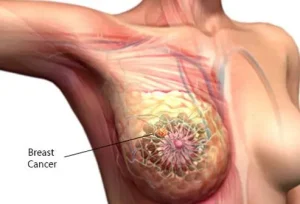
3. Personalized Screening for High-Risk Individuals
Women with a strong family history of breast cancer or known genetic mutations, such as BRCA1 or BRCA2, benefit from tailored screening strategies. These may include earlier and more frequent imaging, breast MRI, and genetic counseling, highlighting the shift toward precision medicine in oncology.
The BMW Ultimate Drive: A Visionary Model of Corporate Philanthropy
Origins and Purpose of the Initiative
Launched in 1997, the BMW Ultimate Drive was conceived as more than a traditional fundraising campaign. Fully funded by BMW, the program aimed to eliminate barriers to participation while creating a direct link between community engagement and financial impact. The concept was simple yet powerful: allow people to experience the joy of driving a BMW, and in doing so, contribute directly to the fight against breast cancer.
How the Program Worked
Each year, fleets of specially marked BMW vehicles traveled across the United States, stopping in cities, towns, and underserved regions. Participants were invited to take complimentary test drives with no purchase obligation. For every mile driven, BMW donated $1 to the Susan G. Komen Foundation, ensuring complete transparency and measurable results.
The Signature Vehicle: A Symbol of Collective Commitment
One of the most emotionally resonant elements of the initiative was the Signature Vehicle. After completing their drive, participants were encouraged to sign a designated BMW—often a 3 Series model—turning the vehicle into a moving testament to solidarity, remembrance, and hope. Thousands of signatures told a shared story: a collective refusal to remain passive in the face of disease.
Beyond Awareness: Education, Prevention, and Lifestyle Empowerment
Expanding the Conversation on Risk Reduction
As scientific understanding of breast cancer evolved, so too did the messaging of the BMW Ultimate Drive. The initiative increasingly emphasized prevention and lifestyle-based risk reduction, empowering individuals to take proactive steps toward long-term health.
Nutrition and Breast Health
Research consistently highlights the protective role of a balanced, nutrient-rich diet. The program promoted dietary patterns aligned with the Mediterranean diet, rich in fruits, vegetables, whole grains, olive oil, and lean proteins. These foods provide antioxidants, anti-inflammatory compounds, and essential nutrients that support cellular health.
Physical Activity and Hormonal Regulation
Regular physical activity has been shown to reduce breast cancer risk by regulating estrogen levels, improving immune function, and reducing chronic inflammation. Even moderate exercise—such as brisk walking for 30 minutes a day—can yield meaningful benefits.
Alcohol, Smoking, and Environmental Factors
Public health messaging increasingly emphasizes the link between alcohol consumption and breast cancer risk. Similarly, smoking cessation and minimizing exposure to environmental toxins form critical components of comprehensive prevention strategies.
Funding Innovation: Advancing Research and Patient Support
Driving Breakthroughs in Breast Cancer Research
The $10 million milestone achieved by the BMW Ultimate Drive represents a significant investment in scientific innovation. Funds supported research into targeted therapies, immunotherapy, and molecular profiling, enabling more personalized and effective treatment approaches.
Supporting Underserved Communities
A substantial portion of funds raised was directed toward community health programs, including patient navigation services that help individuals access screening, diagnosis, and treatment. These initiatives are particularly vital for underserved populations, where disparities in healthcare access often lead to later-stage diagnoses.
Expanding Reach: Inclusion of Remote Regions
The expansion of the Ultimate Drive to include Alaska marked a milestone in geographic inclusivity. By reaching communities with unique healthcare challenges, the program reinforced its commitment to equity in breast cancer awareness and care.
A Blueprint for Future Health Partnerships
Why the BMW Ultimate Drive Matters Today
In an era where corporate social responsibility is increasingly scrutinized, the BMW Ultimate Drive stands out as a model of authenticity and impact. Its success lies not only in the funds raised but in its ability to inspire participation, education, and sustained engagement.
Lessons for the Future
The initiative demonstrates that when corporations align their resources with credible nonprofit partners and measurable outcomes, they can play a transformative role in addressing global health challenges. Experiential engagement, transparency, and long-term commitment are key ingredients for success.
Conclusion
The decade-long journey of the BMW Ultimate Drive represents far more than a philanthropic campaign—it is a testament to the power of purposeful collaboration in advancing public health. By seamlessly blending innovation, community engagement, and health advocacy, the initiative converted everyday actions into life-saving impact. Millions of miles driven translated into millions of dollars invested in research, education, and patient support, accelerating progress in the global fight against breast cancer.
Equally important is the cultural legacy of the program. It reinforced the message that early detection matters, that lifestyle choices influence long-term health, and that collective action can drive meaningful change. As breast cancer care enters a new era defined by precision medicine, data-driven screening, and health equity, the BMW Ultimate Drive offers a proven blueprint for future partnerships.
Ultimately, the initiative reminds us that progress is not achieved in isolation. Every mile driven, every signature signed, and every conversation sparked brings us one step closer to a future where breast cancer is not only treatable—but preventable.
The Most Common Eye Colors Worldwide