
 By admin
Eye Colors Around the World: Distribution, Genetics, and the Science Behind Human Iris Diversity
Introduction
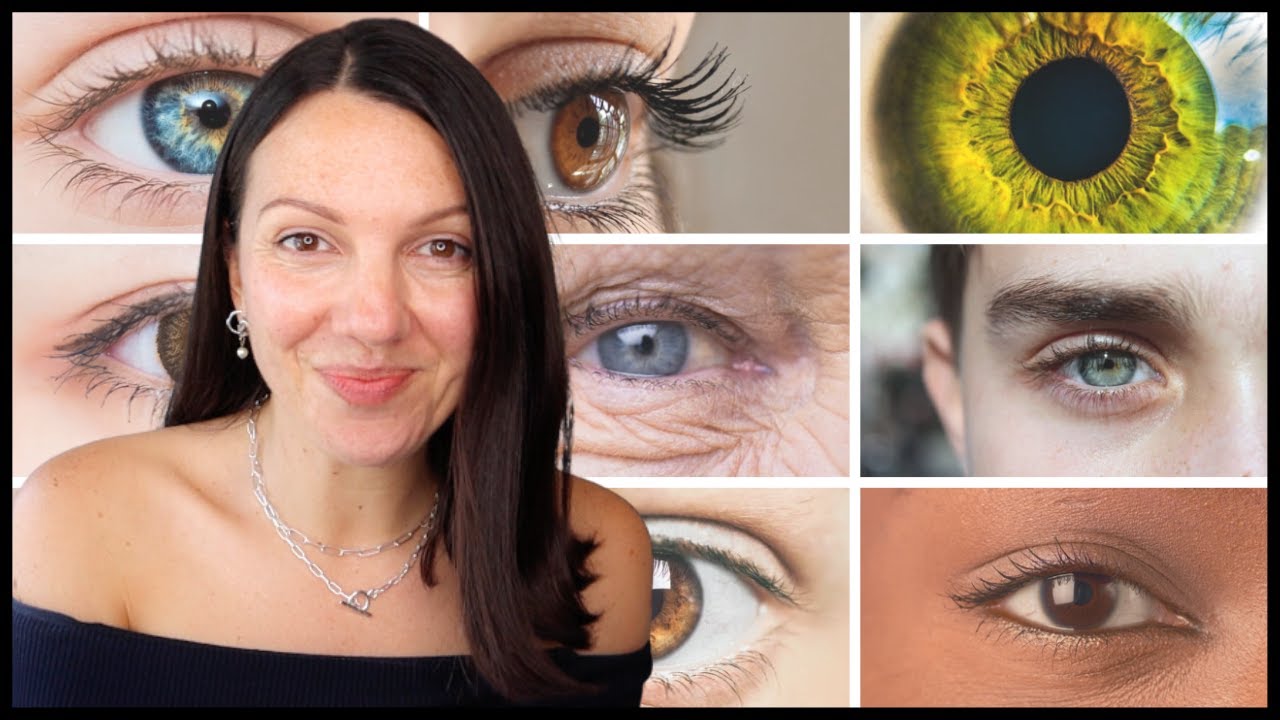
Human eyes are among the most expressive and biologically fascinating features of the face. Beyond their emotional and aesthetic appeal, eye color tells a deeper story—one written in genetics, evolution, and adaptation. Across the globe, eye colors vary widely, from deep brown and hazel to rare shades of green, gray, and even violet-like hues. Yet despite this visible diversity, the science behind eye color is far more complex than once believed.
For decades, eye color was thought to be determined by a single gene inherited from our parents. Modern genetic research has fundamentally transformed that understanding. Scientists now know that eye color is influenced by a complex interaction of up to 16 genes, environmental factors, and evolutionary pressures. Central to this process is melanin, the pigment responsible not only for eye color but also for skin and hair coloration.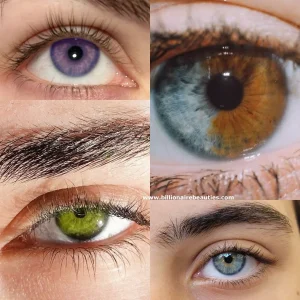
This article explores the global distribution of eye colors, the genetic mechanisms that shape them, and the health and evolutionary implications associated with different iris pigmentation levels. Drawing on recent studies and contemporary scientific insights, we will examine which eye colors are most common worldwide, why certain colors dominate specific regions, and what rare eye conditions reveal about human biology.
Understanding Eye Color: The Role of the Iris
The colored part of the eye is known as the iris, a circular structure composed of muscle fibers and connective tissue. The primary function of the iris is to regulate the amount of light entering the eye by controlling the size of the pupil. However, its pigmentation is what gives each individual their distinctive eye color.
Eye color is not determined by pigments alone. Instead, it results from a combination of:
- The amount and distribution of melanin in the iris
- The structure of the iris stroma
- The way light scatters within the eye
Contrary to popular belief, blue, green, and gray eyes do not contain blue or green pigments. These colors are produced by Rayleigh scattering, the same optical effect that makes the sky appear blue.
Melanin: The Key Pigment Behind Eye Color
How Melanin Works
Melanin is a natural pigment produced by specialized cells called melanocytes. In the iris, the quantity and type of melanin determine how much light is absorbed versus scattered.
- High melanin concentration → Brown eyes
- Moderate melanin concentration → Hazel or green eyes
- Low melanin concentration → Blue or gray eyes
The more melanin present, the darker the eye color. Brown eyes absorb more light, while lighter-colored eyes reflect and scatter it.
Genetic Control of Melanin Production
Modern genetics has revealed that eye color is a polygenic trait, meaning it is influenced by multiple genes. Among the most important are:
- OCA2
- HERC2
- TYR
- SLC24A4
These genes regulate melanin production, transport, and distribution within the iris. Small variations in these genes can lead to significant differences in eye color.
The Evolutionary Perspective: Why Eye Colors Vary
Early Humans and Brown Eyes
Anthropological and genetic evidence suggests that all early humans had brown eyes. High melanin levels provided essential protection against intense ultraviolet (UV) radiation in equatorial regions, particularly in Africa.
According to the American Academy of Ophthalmology, as recently as 10,000 years ago, brown eyes were universal among humans. Lighter eye colors emerged relatively late in evolutionary history.
Migration and Genetic Mutation
As human populations migrated northward into regions with lower sunlight exposure, genetic mutations affecting melanin production became more common. These mutations were not harmful and may even have offered certain advantages, such as improved vitamin D synthesis.
Over time, these genetic variations led to the emergence of blue, green, and gray eyes, particularly in Europe.
The Most Common Eye Colors Worldwide
Brown Eyes – Approximately 79% of the Global Population
Brown is by far the most common eye color in the world, accounting for nearly four out of five people globally.
Why Brown Eyes Are So Common
- High melanin offers strong UV protection
- Evolutionary advantage in sunny climates
- Dominant genetic traits in many populations
Brown eyes are especially prevalent in Africa, Asia, the Middle East, and South America.
Health Implications of Brown Eyes
Research suggests that people with brown eyes are:
- Less likely to develop eye cancer
- Less prone to age-related macular degeneration
- Better protected against diabetic retinopathy
Interestingly, studies also indicate a higher risk of cataracts in older adults with brown eyes, though the exact cause remains unclear.
Blue Eyes – Approximately 8–10% of the Global Population
Blue eyes are the second most common eye color worldwide, despite being concentrated in specific regions.
Geographic Distribution
- United States: ~27%
- Northern and Eastern Europe: very common
- Ireland: the most prevalent eye color
Globally, about one in ten people has blue eyes.
A Shared Genetic Origin
Remarkably, all individuals with blue eyes share a common genetic ancestor. A single mutation affecting the HERC2 gene reduced melanin production in the iris, giving rise to blue eyes thousands of years ago.
Health Considerations
Blue-eyed individuals may be more sensitive to light and have a slightly increased risk of certain eye conditions due to lower melanin protection.
Hazel Eyes – Approximately 5% of the Global Population
Hazel eyes are a dynamic blend of brown and green, often featuring golden or amber tones. Their appearance can change depending on lighting and surroundings.
Regional Prevalence
- United States: ~18%
- Global average: ~5%
Hazel eyes result from moderate melanin levels combined with light scattering effects.
Green Eyes – Approximately 2% of the Global Population
Green eyes are among the rarest natural eye colors, found in only 2% of people worldwide.
Why Green Eyes Are So Rare
Green eyes require a precise balance of:
- Low to moderate melanin
- Unique iris structure
They are most commonly found in Northern and Central Europe.
Gray Eyes – Approximately 1% of the Global Population
Gray eyes are extremely rare and often mistaken for blue.

The Science Behind Gray Eyes
Gray eyes contain:
- Very low melanin levels
- High collagen concentration in the stroma
Light scattering within the collagen creates the gray appearance.
Red or Violet Eyes – Less Than 1%
True red or violet eyes are not naturally occurring in healthy individuals.
Causes
- Albinism, which involves a lack of melanin
- Optical effects where light reflects off blood vessels
These colors are optical illusions rather than actual iris pigmentation.
Heterochromia – Approximately 1%
Heterochromia, commonly known as two-colored eyes, is a rare condition where each eye has a different color—or one eye contains multiple colors.
Types of Heterochromia
- Complete heterochromia: one eye entirely different from the other
- Sectoral heterochromia: two colors within the same iris
Causes
- Congenital genetic variation
- Eye injury
- Medical conditions or inflammation
Most cases are harmless, though sudden onset should be medically evaluated.
Eye Color and Health: What Science Says Today
Recent studies suggest correlations between eye color and:
- Light sensitivity
- Risk of certain eye diseases
- Neurological and behavioral traits (still under research)
However, experts emphasize that eye color alone does not determine health outcomes. Genetics, lifestyle, and environment play much larger roles.
Modern Genetic Research and Eye Color Prediction
Advances in DNA analysis now allow scientists to predict eye color from genetic material, a technique increasingly used in:
- Forensic science
- Anthropology
- Medical research
These models continue to improve as our understanding of polygenic traits deepens.
Conclusion
Eye color is far more than a cosmetic trait—it is a window into human evolution, genetics, and biological adaptation. From the dominance of brown eyes shaped by natural selection to the rare beauty of green and gray irises, each eye color reflects thousands of years of genetic history.
Modern science has revealed that eye color results from a complex interplay of genes, melanin levels, and light physics. As genetic research continues to advance, our understanding of eye color will become even more precise, offering deeper insights into human diversity and health.
Ultimately, whether common or rare, every eye color is a testament to the remarkable complexity of the human genome and the shared ancestry that connects us all.
Mastering Cholesterol for a Healthier Life