
 By admin
Introduction
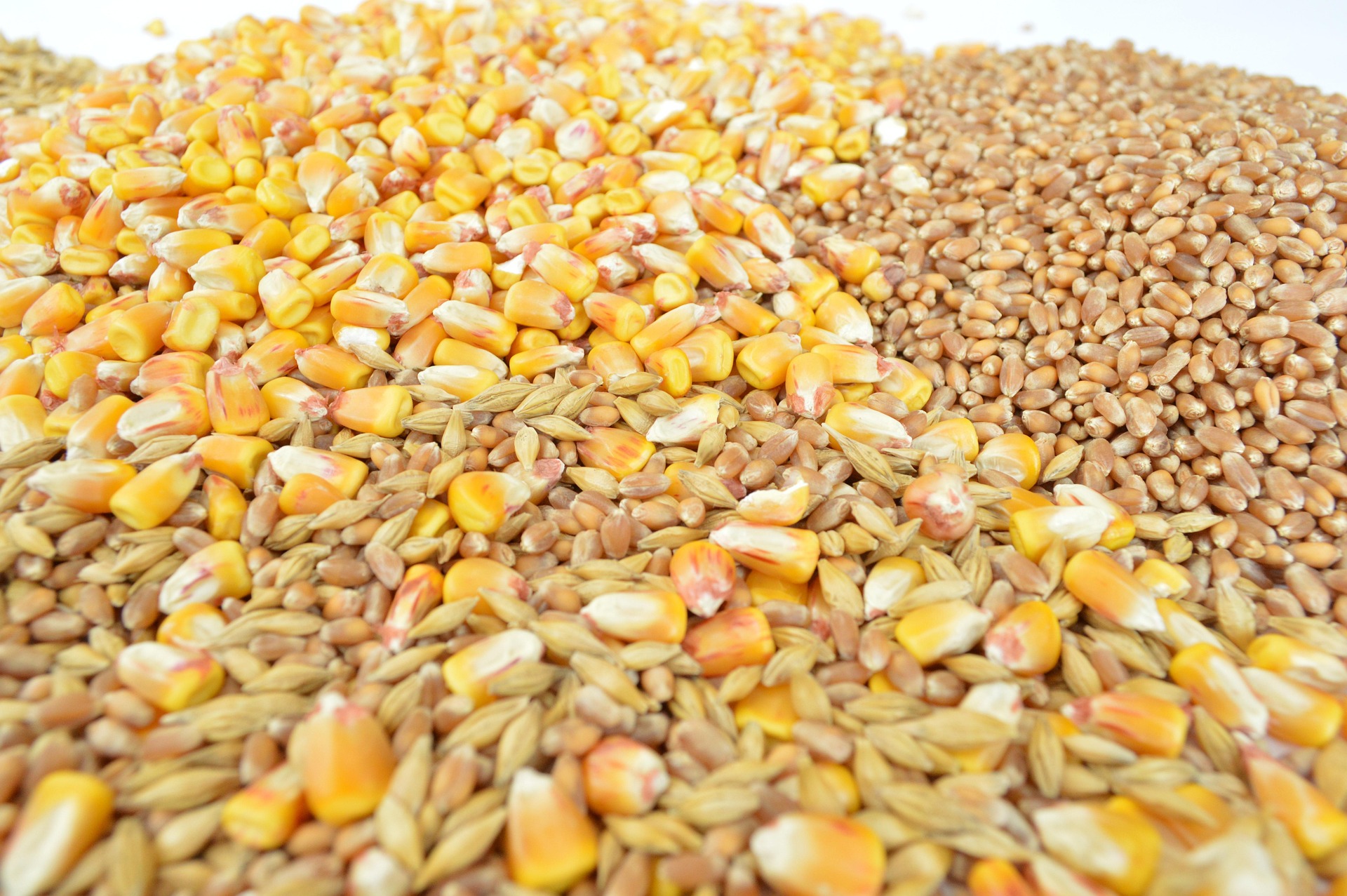
Barley, one of the earliest cultivated grains in human history, has stood the test of time. Tracing its origins to ancient Mesopotamia and the Fertile Crescent, barley played a central role in the diets of civilizations such as the Hebrews, Greeks, Romans, and Egyptians. Despite the emergence of modern grains like wheat and corn, barley has retained its significance, not only for its historical value but also for its dense nutritional profile and versatility in today’s health-conscious world.
In this article, we will explore the evolution of barley from a staple of ancient diets to a modern supergrain. We’ll examine its nutritional composition, culinary uses, global cultivation, health benefits, and how barley is making a resurgence in contemporary diets.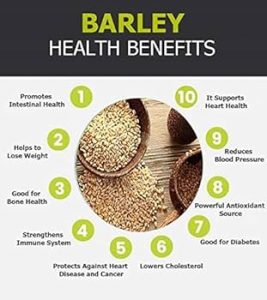
The Historical Significance of Barley
A Staple of Ancient Civilizations
Barley is widely believed to be the oldest cultivated cereal grain, dating back over 10,000 years. Archaeological evidence suggests its domestication occurred in the Near East, around the same time as wheat. Among the ancient Hebrews, Greeks, and Romans, barley was more than a food source—it was a vital crop for survival and a symbol of prosperity.
The Bible often mentions barley as a blessing of the land, sometimes used interchangeably with wheat. Roman gladiators were even known as hordearii—”barley men”—because their diet consisted mainly of barley, which was believed to build strength and stamina.
Barley in Traditional Cultures
In early European history, particularly during the time of King Charles I of England, barley became the primary grain consumed by the lower classes when wheat was scarce or too expensive. Similarly, in India, the Middle East, and Eastern Europe, barley continues to be a key ingredient in traditional diets, often used in porridges, flatbreads, and fermented drinks.
In the Canary Islands, gofio, a roasted barley flour, remains a cultural delicacy, while parts of Palestine still prepare barley by parching it—an ancient method that enhances flavor and makes it easier to store.
Varieties and Forms of Barley
Common Types of Barley
There are several species of barley, with the two-rowed and six-rowed varieties being the most prevalent. Two-rowed barley is primarily used in brewing, while six-rowed barley is more often used for food and livestock feed due to its higher protein content.
Processed Barley Products
Barley can be processed in various ways, resulting in distinct products suitable for different culinary purposes:
-
Hulled Barley: Only the outermost hull is removed, making it the most nutritious form. It retains the bran and germ.

-
Scotch or Pot Barley: Lightly polished to remove part of the bran layer, making it softer for cooking.
-
Pearl Barley: Polished further to remove most or all of the bran layer, resulting in a smooth, shiny grain that cooks faster.
-
Barley Flour (Patent Barley): Finely ground from pearl barley and often used in baked goods.
-
Barley Grits and Flakes: Cracked or rolled barley used in cereals or porridge.
Nutritional Profile and Health Benefits
Nutritional Breakdown
Barley is rich in complex carbohydrates, dietary fiber, vitamins, and minerals. A 100-gram serving of cooked pearled barley contains:
-
Calories: ~123 kcal
-
Carbohydrates: 28 g
-
Protein: 2.3 g
-
Fat: 0.4 g
-
Fiber: 3.8 g
-
Iron, Magnesium, and Selenium: Present in significant amounts
-
Beta-glucans: A form of soluble fiber known for heart health
Health Benefits of Barley
1. Promotes Digestive Health
Barley’s high fiber content—especially its insoluble fiber—supports regular bowel movements and fosters a healthy gut microbiome. Beta-glucans also promote the growth of beneficial bacteria in the colon.
2. Heart Health
Beta-glucans help reduce LDL (bad) cholesterol levels by forming a gel-like substance in the intestines that binds to cholesterol and prevents its absorption. This process has been shown to significantly reduce the risk of cardiovascular disease.
3. Stabilizes Blood Sugar
Barley’s low glycemic index and high fiber content slow down sugar absorption, making it an excellent grain for diabetics or individuals trying to manage blood sugar levels.
4. Aids in Weight Management
Barley increases satiety due to its fiber density, which can help reduce overall calorie intake. When consumed regularly, it can assist in weight management and appetite control.
5. Supports Immune Function
Barley contains important micronutrients such as selenium, copper, and zinc, which play a key role in immune defense and antioxidant protection.
Culinary Uses and Cooking Tips
Barley in the Modern Kitchen
Barley’s nutty flavor and chewy texture make it a versatile ingredient in modern cuisine. It can be used in:
-
Soups and Stews: Adds bulk and texture, commonly seen in beef and barley soup.
-
Salads: Chilled barley mixed with vegetables, legumes, and herbs offers a fiber-rich alternative to rice or pasta.
-
Risottos (Barlotto): Pearl barley can replace Arborio rice for a healthy twist.
-
Baking: Barley flour can be blended with wheat flour for moist breads and muffins.
-
Breakfasts: Barley flakes are used similarly to oatmeal for porridge or granola.
Cooking Guidelines
Pearl barley typically requires 40–60 minutes to cook, while hulled barley can take up to 90 minutes. Soaking the grains overnight can reduce cooking time. For optimal nutrition, use hulled barley when possible, though pearl barley remains the most commonly used in recipes due to its soft texture and quicker cooking time.
Global Cultivation and Sustainability
Barley Production Worldwide
Barley is grown in over 100 countries, with major producers including Russia, France, Germany, Canada, Ukraine, and Australia. It is a cool-season crop and grows well in areas where other grains struggle.
Environmental Advantages
Barley is highly resilient, requiring less water than wheat and thriving in poor soil conditions. This makes it an attractive crop for regions facing water scarcity and soil degradation. Additionally, its short growing season allows for multiple harvests in a year, improving food security in developing regions.
Barley in Modern Health Trends
Barley and Plant-Based Diets
With the rise of plant-based and whole-food diets, barley has gained attention for its nutrient density and versatility. It provides a complete protein profile when paired with legumes and is ideal for vegans and vegetarians seeking whole-grain options.
Barley in Functional Foods and Beverages
Food manufacturers have started incorporating barley-derived ingredients like barley fiber and barley malt into energy bars, nutritional supplements, and low-glycemic baked goods. Barley tea, popular in East Asian countries, is now marketed globally for its antioxidant properties and caffeine-free appeal.
Conclusion
Barley may be ancient, but its relevance in the modern world is anything but outdated. From ancient civilizations that revered it as sacred food to its resurgence as a supergrain in plant-based and health-conscious diets, barley offers a unique blend of nutrition, sustainability, and culinary flexibility.
As global diets shift toward whole grains and natural ingredients, barley stands out as a nutritious, affordable, and eco-friendly grain that deserves a regular spot on our plates.
How Walnuts Transform Your Body After 50