
 By admin

The Evolution and Legacy of Country Music: From Appalachian Roots to Global Stage
Introduction
Country music, with its heartfelt lyrics, acoustic rhythms, and deeply rooted storytelling tradition, is one of America’s most iconic musical genres. Originating in the rural Southern United States, this genre has grown from humble beginnings in Appalachian fiddle tunes to a multibillion-dollar industry influencing artists around the globe. While the pivotal moment in its commercialization happened in 1927 in Bristol, Tennessee—when Victor Records signed Jimmie Rodgers and the Carter Family—the roots and reach of country music go much deeper and broader.
This article traces the rich history of country music, exploring its origins, key figures, major developments over the decades, and its lasting legacy in modern times. We’ll also explore how the genre continues to evolve, shaping and being shaped by changing cultural, technological, and musical landscapes.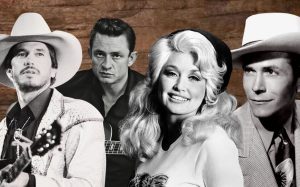
The Origins of Country Music
Appalachian Folk Traditions
Long before the commercial recording industry took notice, the mountains of Appalachia echoed with the sounds of folk ballads, fiddle tunes, and banjo strumming. These early forms of music were heavily influenced by the traditions of European immigrants—particularly from the British Isles—who brought with them centuries-old songs and instruments.
Musicians played at barn dances, church events, and family gatherings, passing down tunes by ear from generation to generation. This grassroots, community-based music was emotionally expressive and focused on themes such as love, hardship, faith, and rural life.
Influences from African American Music
Country music was also significantly shaped by African American musical traditions. The banjo itself has African origins, and blues—a genre rooted in the African American experience—lent country music its soulful depth, chord structures, and emotional range. As these styles mingled in the Southern U.S., a uniquely American sound began to emerge.
1927: The Birth of Commercial Country Music
The Bristol Sessions – “The Big Bang of Country Music”
The year 1927 marks a turning point in the history of country music. In what came to be known as the Bristol Sessions, producer Ralph Peer of Victor Talking Machine Company set up a temporary recording studio in Bristol, Tennessee. It was here that two of the most influential acts in country music history—Jimmie Rodgers and The Carter Family—were discovered and recorded.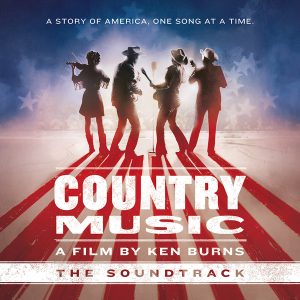
These sessions are often called the “Big Bang of Country Music” because they brought regional music to the national stage and initiated the commercial country music industry.
Jimmie Rodgers – The Singing Brakeman
Born in 1897 in Meridian, Mississippi, Jimmie Rodgers worked as a railroad brakeman before poor health (tuberculosis) forced him into a career change. He brought a bluesy, yodel-infused vocal style to country music and sang about trains, the working class, and heartache. His hit songs such as “Blue Yodel No. 1” and “Waiting for a Train” became national successes.
Rodgers’ raw, expressive voice and working-class themes resonated with Depression-era America. He was posthumously inducted into the Country Music Hall of Fame in 1961, along with Fred Rose and Hank Williams.
The Carter Family – Pioneers of Harmony and Heart
The original Carter Family—A.P. Carter, his wife Sara, and his sister-in-law Maybelle—brought tight vocal harmonies and powerful lyrics to the genre. Hailing from Maces Spring, Virginia, they recorded over 300 songs, including classics like “Can the Circle Be Unbroken” and “Wildwood Flower.”
Maybelle Carter’s innovative guitar playing (later dubbed the “Carter Scratch”) became a defining sound in country music. Despite personal upheavals, the group continued to record into the late 1930s and left an indelible mark on American music.
Growth and Golden Age (1930s–1950s)
The Role of Radio and the Grand Ole Opry
Country music’s rise coincided with the growth of radio. The Grand Ole Opry, a live radio show broadcast from Nashville, became a central hub for country musicians beginning in 1925. It introduced artists to wider audiences and helped turn Nashville into the genre’s spiritual and commercial home.
Artists like Roy Acuff, Ernest Tubb, and Bill Monroe rose to fame during this period, blending country, gospel, and bluegrass elements.
Honky-Tonk and Western Swing
In the postwar years, country music diversified. Honky-tonk emerged from Texas bars and dance halls with electrified instruments and themes of heartbreak and drinking. Hank Williams, arguably country’s greatest songwriter, became its tragic hero, with timeless songs like “Your Cheatin’ Heart” and “I’m So Lonesome I Could Cry.”
Meanwhile, Western Swing, led by bands like Bob Wills and His Texas Playboys, added jazz and big-band elements to country’s evolving sound.
The Nashville Sound and Mainstream Acceptance (1960s–1980s)
Crossover Appeal
In the 1960s, producers in Nashville began refining the genre’s rough edges. The Nashville Sound brought orchestral arrangements, backup singers, and polished production, allowing artists like Patsy Cline, Jim Reeves, and Eddy Arnold to cross into mainstream pop charts.
This smoother sound broadened the genre’s appeal but also sparked debates about “authenticity” in country music.
Outlaw Country: A Backlash and Revival
In reaction to Nashville’s polish, artists like Willie Nelson, Waylon Jennings, and Merle Haggard pioneered Outlaw Country in the 1970s. With its gritty lyrics, independent spirit, and stripped-down style, this movement reclaimed country’s roots and drew a loyal following.
Albums like Nelson’s “Red Headed Stranger” and Jennings’ “Honky Tonk Heroes” defined this rebellious chapter.
Modern Country: Diversity, Innovation, and Global Reach (1990s–Today)
1990s Boom and the Pop-Country Revolution
In the 1990s, country music reached unprecedented commercial heights. Artists like Garth Brooks, Shania Twain, and Faith Hill sold millions of albums by blending country storytelling with arena rock and pop production.
This era also saw the rise of powerful women in country, including Reba McEntire, Martina McBride, and Trisha Yearwood, who brought new perspectives and emotional depth to the genre.
21st Century Evolution
Contemporary country music is incredibly diverse. Subgenres like bro-country (e.g., Florida Georgia Line, Luke Bryan), Americana, and alt-country (e.g., Jason Isbell, Sturgill Simpson) coexist on the charts and streaming platforms.
The genre continues to embrace innovation—mixing trap beats, EDM elements, and hip-hop collaborations (e.g., Lil Nas X and Billy Ray Cyrus’s “Old Town Road”).
Meanwhile, stars like Chris Stapleton, Kacey Musgraves, and Zach Bryan are acclaimed for blending tradition with fresh artistry and lyrical complexity.
Conclusion: A Living Legacy
From its Appalachian folk roots to stadium-filling superstars, country music remains one of the most enduring and dynamic genres in the music world. Its history is a testament to America’s cultural diversity, economic shifts, and emotional landscape. Through heartbreak ballads, working-class anthems, and celebrations of rural life, country music tells stories that resonate across generations.
As technology and tastes evolve, so too does country music—but its soul remains rooted in authenticity, emotion, and connection. Whether it’s Jimmie Rodgers yodeling into a primitive microphone in 1927 or a viral sensation topping the charts on Spotify, country music continues to reflect the heart and voice of the people.
UNHCR and Jolie: A Global Partnership