
 By admin
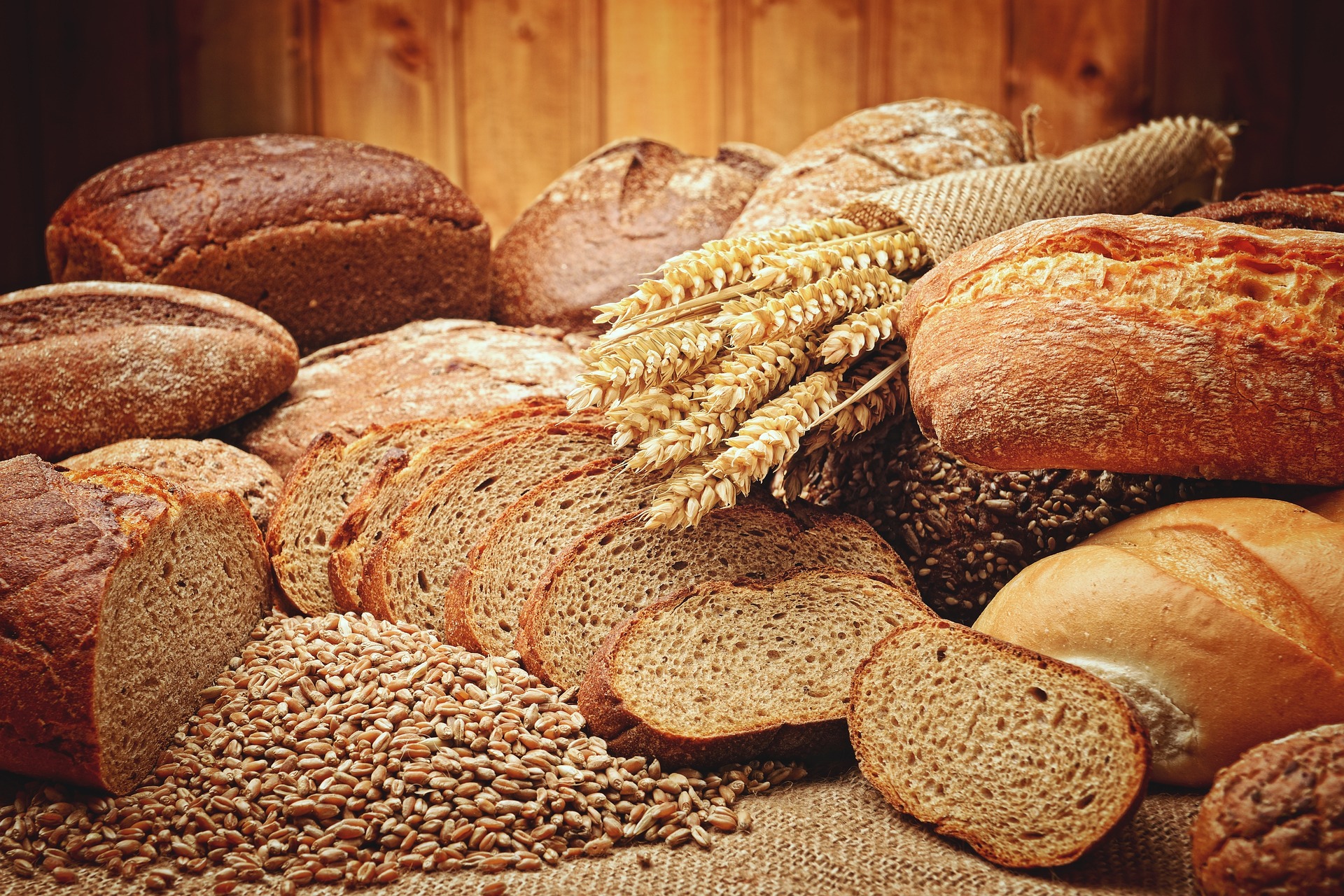
How Much Bread Can You Eat Without Gaining Weight?
Bread is one of the most widely consumed staple foods across the globe. It’s comforting, versatile, and forms the basis of countless meals. Yet in today’s health-conscious world, many people wonder: How much bread is too much? While bread is often blamed for weight gain, the truth is more nuanced. Eating bread in moderation—especially the right type of bread—can be part of a healthy, balanced diet.
In this article, we explore how bread consumption impacts body weight, provide updated insights from health authorities, and share actionable advice for enjoying bread without compromising your fitness goals.
Understanding Bread and Its Nutritional Value
What Is Bread Made Of?
Bread typically consists of flour, water, yeast, and salt. Depending on the type, it may also include sugar, fats, or preservatives. Whole grain and multigrain varieties include the bran, germ, and endosperm, which preserve more nutrients than refined white bread.
Nutritional Components of Bread
Bread is rich in:
-
Carbohydrates: Provide energy.
-
Proteins: Aid muscle repair and maintenance.
-
Fiber: Important for digestion (especially in whole grain varieties).
-
Vitamins and Minerals: Such as B vitamins, iron, and magnesium.
However, many breads also contain:
-
Added Sugars
-
Refined Flours
-
Excess Sodium
These ingredients, when consumed in excess, may contribute to weight gain and other health issues.
Bread and Weight Gain: Is There a Direct Link?
Bread Alone Doesn’t Cause Weight Gain
Contrary to popular belief, bread itself is not inherently fattening. Weight gain occurs when you consume more calories than you burn, regardless of the source. However, certain types of bread—especially highly processed white bread—can contribute to excessive calorie intake without providing satiety.
Glycemic Index and Blood Sugar Spikes
Refined white bread has a high glycemic index (GI), meaning it can cause rapid spikes in blood sugar levels. These spikes may increase hunger shortly after eating, leading to overeating and potential weight gain. In contrast, whole grain bread has a lower GI and provides more lasting energy.
How Much Bread Is Safe to Eat Daily?
Recommendations from Health Authorities
-
Harvard Medical School suggests limiting added sugars to 24 grams per day for women and 36 grams for men. One standard loaf of white bread can contain around 13 grams of sugar.
-
World Health Organization (WHO) allows for up to 250 grams of bread per day as part of a healthy diet, especially for physically active individuals.
Portion Control Is Key
Rather than eliminating bread entirely, focus on moderation:
-
1–2 slices of whole grain bread per meal are usually acceptable.
-
Avoid eating large quantities of bread with every meal.
-
Consider the total carbohydrate and calorie intake across your day.
The Healthiest Types of Bread to Eat
Whole Grain Bread
Whole grain bread is the top choice for health-conscious individuals. It contains:
-
High fiber content (at least 3 grams per slice).

-
More vitamins and minerals.
-
Lower GI than white bread.
Sourdough Bread
Made through natural fermentation, sourdough:
-
May improve gut health.
-
Has a lower GI than conventional white bread.
-
Is often easier to digest.
Rye and Multigrain Bread
These types offer:
-
Unique flavor profiles.
-
Dense textures that enhance satiety.
-
Greater nutrient diversity.
Avoid: White Bread and Ultra-Processed Varieties
-
Low in nutrients.
-
High in refined flour and added sugars.
-
Less filling, leading to potential overeating.
How to Incorporate Bread into a Healthy Diet
Pair Bread with Protein and Healthy Fats
Eating bread with lean protein (e.g., eggs, turkey, hummus) and healthy fats (e.g., avocado, olive oil) slows digestion and maintains stable blood sugar levels.
Watch Out for Toppings and Spreads
Many people gain weight not from bread itself, but from what they put on it:
-
Butter and margarine add saturated fats and calories.
-
Jam and chocolate spreads are high in sugar.
-
Cheese can be calorie-dense if consumed excessively.
Opt for:
-
Nut butters (in moderation).
-
Fresh vegetables.
-
Lean meats.

-
Hummus or yogurt-based spreads.
Limit Bread Intake When Eating Other Carbohydrates
Balance is critical. If you’re eating rice, pasta, or potatoes at a meal, you may want to skip the bread to avoid excess carbohydrates.
Bread and Exercise: An Important Consideration
Active Lifestyles Require More Carbohydrates
For athletes or physically active individuals, bread can serve as an important energy source. It replenishes glycogen stores and supports endurance.
Post-Workout Meals
Whole grain bread with protein (e.g., tuna sandwich, egg on toast) is an excellent post-workout meal that promotes recovery and satiety.
Does Bread Fit into Popular Diets?
Keto and Low-Carb Diets
Bread is typically restricted due to high carbohydrate content. However, low-carb or keto-friendly breads made with almond or coconut flour are available.
Mediterranean Diet
Bread, especially whole grain or sourdough, is allowed in moderation. It’s often paired with healthy fats, lean proteins, and vegetables.
Gluten-Free Diets
For those with celiac disease or gluten sensitivity, gluten-free breads made from rice, quinoa, or buckwheat flour are alternatives. Be cautious: some gluten-free options are low in fiber and high in sugars.
Tips for Smart Bread Consumption
Read Nutrition Labels Carefully
Look for bread that contains:
-
At least 3 grams of fiber per serving.
-
Less than 2 grams of added sugars.
-
Whole grains listed as the first ingredient.
Freeze Slices to Control Portions
Freezing bread in individual slices helps:
-
Reduce waste.

-
Control portions.
-
Avoid the temptation of overeating.
Bake Your Own Bread
Homemade bread allows control over ingredients and avoids preservatives. Use:
-
Whole grain flours.
-
Seeds and nuts.
-
Minimal sugar and salt.
Conclusion: Enjoy Bread Without Compromising Your Health
Bread is not your enemy—overeating and poor dietary choices are. By choosing whole grain, high-fiber options and practicing portion control, you can enjoy bread without fearing weight gain. It’s all about balance. Integrate bread mindfully into your daily meals, especially when paired with proteins, vegetables, and healthy fats. With a strategic approach, bread can enhance your nutrition rather than hinder it.