
 By admin
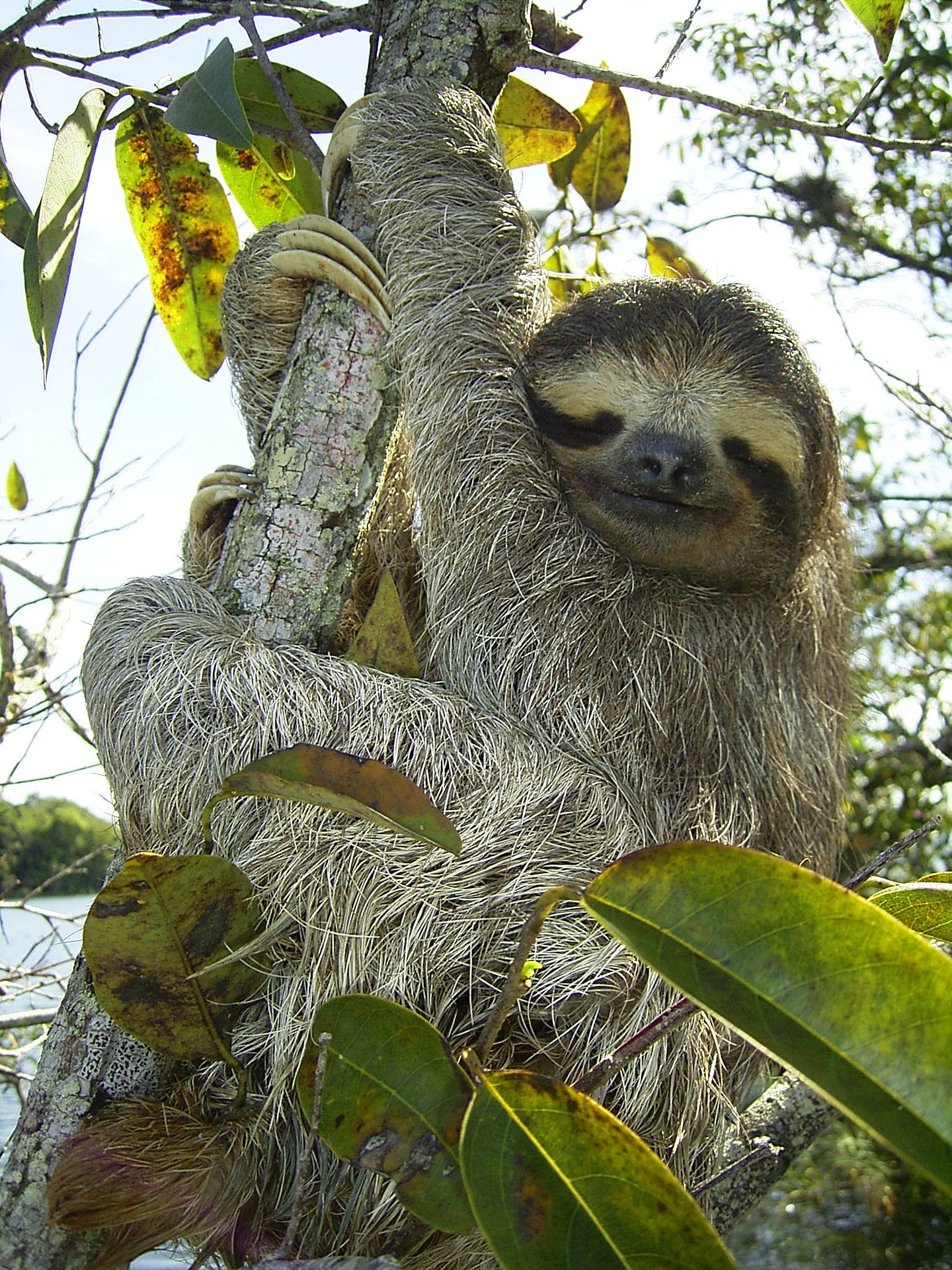
The Life and Habits of the Sloth: Nature’s Slow-Moving Marvel
Sloths are one of the most fascinating creatures in the animal kingdom, captivating the imagination of animal lovers and biologists alike. These slow-moving mammals, native to the rainforests of Central and South America, are renowned for their unique lifestyle and extraordinary adaptations to their arboreal environment. Despite their unhurried pace, sloths play a vital role in their ecosystems and are a subject of growing interest in wildlife conservation efforts. In this article, we will explore the life, habits, and ecological importance of sloths, shedding light on what makes them such remarkable creatures.
Understanding the Sloth’s Physiology
Sloths belong to the suborder Folivora, which is divided into two main families: two-toed sloths (Choloepus) and three-toed sloths (Bradypus). While the two families share many similarities, they differ in certain physical and behavioral traits. Both types of sloths have adapted to a life spent primarily in trees, with long, curved claws that allow them to hang effortlessly from branches. Their slow metabolism is a defining characteristic, contributing to their sluggish movements and low energy requirements.
One of the most intriguing aspects of a sloth’s physiology is its highly specialized digestive system. Sloths consume a diet primarily composed of leaves, which are low in nutrients and difficult to digest. To compensate, they possess a multi-chambered stomach containing symbiotic bacteria that break down tough plant material. This process is so slow that it can take a sloth up to a month to digest a single meal fully.
Habitat and Distribution
Sloths are found in the tropical rainforests of Central and South America, where they spend the majority of their lives in the forest canopy. Their arboreal lifestyle provides them with safety from ground predators and access to their primary food source—leaves from a variety of tree species, including the cecropia tree, a favorite among sloths. The dense foliage also serves as camouflage, protecting them from predators such as jaguars, harpy eagles, and large snakes.
The warm, humid climate of rainforests is ideal for sloths, as their slow metabolic rate makes it challenging for them to regulate body temperature. This dependence on specific environmental conditions makes sloths particularly vulnerable to habitat loss and climate change, which threaten the survival of these unique creatures.
Behavioral Patterns: A Slow and Steady Lifestyle
Sloths are most famous for their slow movements, which are a direct result of their low-calorie diet and slow metabolism. On average, they move only about 40 yards per day. Their unhurried pace is not just a matter of energy conservation but also serves as a defensive strategy. By moving slowly and blending in with their surroundings, sloths avoid drawing the attention of predators.
Interestingly, sloths descend to the ground only about once a week to defecate, a behavior that remains a subject of scientific curiosity. While descending exposes them to greater risk from predators, researchers believe this activity may have ecological benefits, such as fertilizing the trees they inhabit or facilitating seed dispersal.
Sloths are primarily solitary animals, interacting with others of their kind only during mating or when a mother is caring for her young. Female sloths typically give birth to a single offspring after a gestation period of about six months. The newborn clings to its mother’s fur for several months, learning essential survival skills before becoming independent.
Unique Adaptations
The sloth’s adaptations extend beyond its physical and behavioral traits. Its fur provides an ecosystem for various microorganisms, including algae, which give the animal a greenish tint that enhances its camouflage. This symbiotic relationship benefits both the sloth and the algae, as the algae gain a habitat while the sloth gains additional concealment.
Another remarkable adaptation is the sloth’s ability to rotate its head up to 270 degrees. This flexibility, particularly pronounced in three-toed sloths, allows them to survey their surroundings without expending much energy. Combined with their sharp claws and powerful grip, these adaptations make sloths well-suited to their arboreal lifestyle.
Ecological Importance
Despite their slow pace, sloths play a significant role in their ecosystems. Their defecation habits contribute to nutrient cycling in rainforest soils, promoting plant growth and maintaining the health of the forest. Additionally, the algae and other microorganisms that live in their fur provide a habitat for various insects, enhancing biodiversity.
Sloths also serve as prey for several predators, forming an integral part of the food web. Their presence in the ecosystem highlights the interconnectedness of rainforest species and underscores the importance of preserving their habitats.
Conservation Challenges
Sloths face numerous threats, primarily due to human activities. Deforestation, driven by agriculture, logging, and urbanization, is the most significant threat to their survival. As rainforests are cleared, sloths lose their homes and food sources, forcing them to venture onto the ground, where they are more vulnerable to predators and human-related dangers, such as road accidents and dog attacks.
Climate change is another pressing concern, as rising temperatures and changing rainfall patterns alter the delicate balance of rainforest ecosystems. Conservation organizations are working tirelessly to protect sloths and their habitats through reforestation projects, wildlife corridors, and public education campaigns aimed at reducing human-wildlife conflict.
Fascination with Sloths in Popular Culture
In recent years, sloths have gained widespread popularity as symbols of relaxation and mindfulness. Their unhurried lifestyle resonates with people seeking a break from the fast-paced modern world. This cultural fascination has led to increased interest in sloth conservation, as well as the establishment of sloth sanctuaries and ecotourism initiatives that provide opportunities for people to learn about these animals while supporting their protection.
The Future of Sloths
While sloths are resilient creatures, their survival depends on concerted efforts to address the challenges they face. Protecting their habitats, mitigating the impacts of climate change, and raising awareness about their ecological importance are crucial steps in ensuring a future for these remarkable animals.
Sloths remind us of the beauty and complexity of the natural world, encouraging us to slow down and appreciate the interconnectedness of all life forms. By supporting conservation efforts, we can help secure a future where sloths continue to thrive in their rainforest homes, inspiring generations to come.