
 By admin
Why Do the Eyes of the Mona Lisa Seem to Follow You?
Introduction
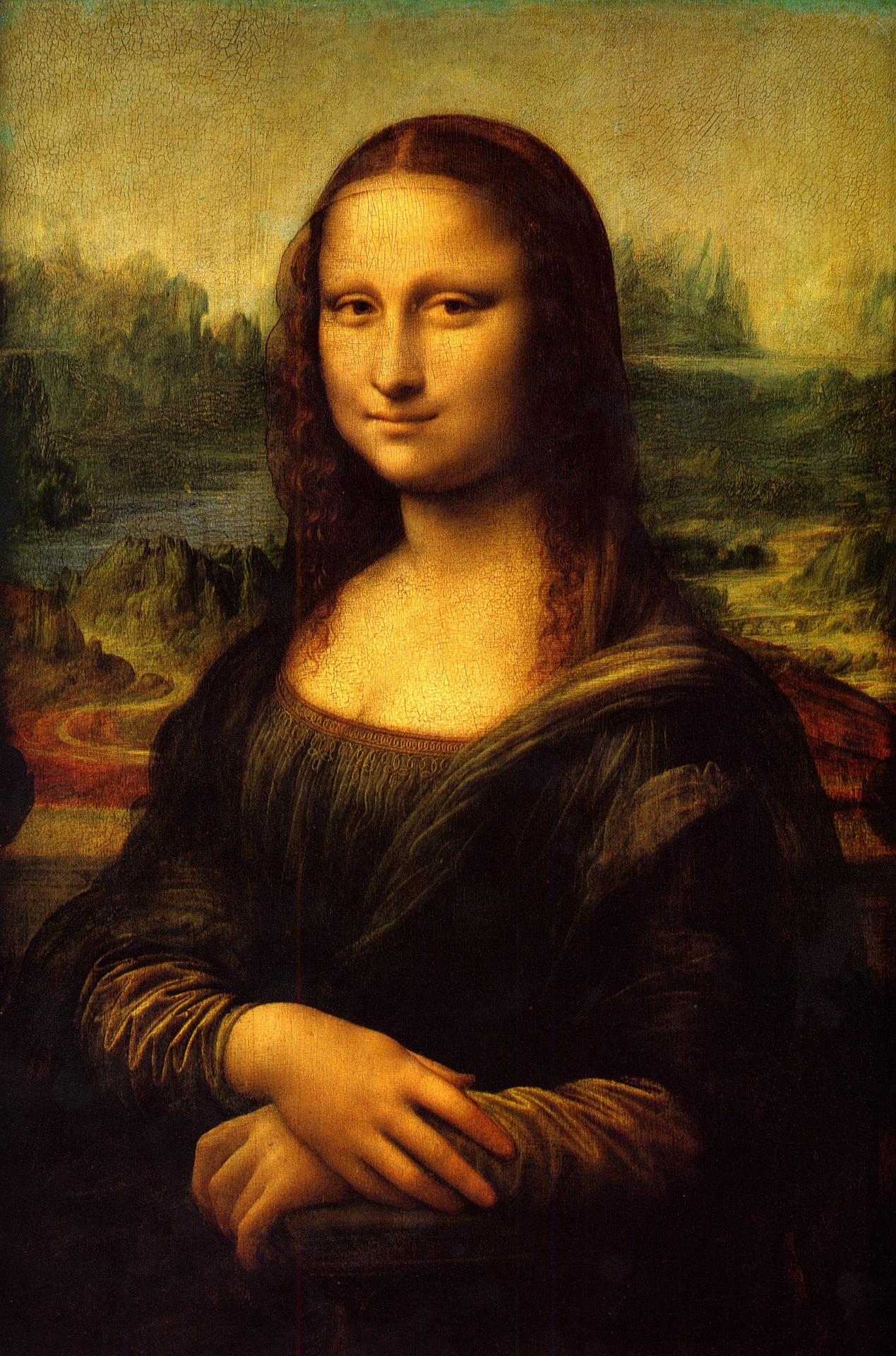
The Mona Lisa, painted by Leonardo da Vinci between 1503 and 1506, is undoubtedly one of the most famous artworks in the world. Its mysterious charm has fascinated millions of viewers across centuries. Among its many enigmatic qualities, one feature has captivated both art lovers and casual observers: the impression that the eyes of the Mona Lisa follow you no matter where you stand. This optical illusion, often referred to as the “Mona Lisa Effect,” has become one of the most discussed aspects of the painting’s mystique.
But why does this phenomenon occur? Is it simply a trick of artistic genius, or is there more science behind the way we perceive her gaze? In this article, we will explore the artistic techniques, scientific explanations, cultural interpretations, and psychological effects behind the Mona Lisa’s eyes and why they appear to follow us.
The Mona Lisa Effect: What It Means
Defining the Phenomenon
The term “Mona Lisa Effect” is used to describe the uncanny feeling that the subject of a painting is looking directly at you, no matter where you are standing. While the Mona Lisa is the most famous example, the effect can be found in many portraits. This visual experience has fascinated psychologists, neuroscientists, and art historians alike.
The Power of the Gaze in Art
Throughout history, the human gaze has been a powerful artistic element. A direct gaze can evoke intimacy, confrontation, or mystery. In da Vinci’s Mona Lisa, the gaze achieves something extraordinary—it appears both personal and universal. Each viewer feels as if they are the unique focus of the sitter’s attention.
The Artistic Genius of Leonardo da Vinci
Mastery of Perspective and Depth
Leonardo da Vinci was not only a painter but also a scientist, mathematician, and innovator. His deep understanding of geometry and perspective allowed him to create an illusion of depth rarely achieved before his time. By carefully positioning Mona Lisa’s eyes and applying precise angles, da Vinci ensured that her gaze would intersect with viewers regardless of their position in the room.
Use of Sfumato Technique
One of the most important techniques da Vinci used is sfumato, a method of blending colors and tones so smoothly that transitions are almost imperceptible. In the Mona Lisa, sfumato gives her eyes a lifelike softness and a subtle shadowing that enhances the illusion of movement and gaze direction.
Placement of Light and Shadows
Da Vinci’s control of chiaroscuro (the contrast of light and dark) is also key. The highlights in Mona Lisa’s eyes and the delicate shadows surrounding them create a three-dimensional effect. This makes her gaze appear more alive and dynamic.
The Science Behind the Effect
How Human Vision Works
From a scientific standpoint, the Mona Lisa Effect can be explained by how our eyes and brain interpret visual cues. When an image is painted with the subject’s gaze facing forward, the direction of the eyes remains constant. As a viewer shifts position, the painting doesn’t actually change, but our brain interprets the forward-facing gaze as following us.
Optical Illusion and Perception
The human brain is particularly sensitive to faces and eyes. We are evolutionarily programmed to notice gaze direction because it provides important social cues. When the gaze is painted head-on, our brains interpret it as directed at us, regardless of our angle of view. This illusion of motion is purely perceptual, not a change in the painting itself.
Why the Mona Lisa Is Special
Although many portraits feature a forward gaze, the Mona Lisa stands out. Researchers suggest that da Vinci’s mastery of micro-expressions, shading, and depth makes her gaze especially compelling. The balance between subtlety and precision enhances the illusion, making it stronger than in most other paintings.
Psychological Interpretations
The Feeling of Connection
When viewers experience the Mona Lisa Effect, they often describe a strange sense of intimacy—as though the painting recognizes them personally. This emotional response creates a bond between art and observer, which partly explains the painting’s global appeal.
Mystery and Ambiguity
The Mona Lisa is full of ambiguities—her smile, her expression, and of course, her gaze. The combination of an unreadable smile and eyes that follow you contributes to the painting’s reputation as a symbol of mystery and enigma.
The Role of Expectation
Psychologists also note that expectation shapes perception. Because the Mona Lisa is so famous, viewers approach it already expecting mystery. This expectation heightens the effect of the gaze, making it seem even more remarkable.
Cultural and Historical Impact
A Symbol of Renaissance Genius
During the Renaissance, portraiture was evolving rapidly. The Mona Lisa became a masterpiece that showcased both artistic innovation and psychological depth. Da Vinci broke away from stiff, formal portraits and instead gave his subject a natural, lifelike expression that engaged the viewer directly.
Influence on Modern Media
The Mona Lisa Effect has influenced not only art but also photography, film, and digital media. Directors often use similar gaze effects in movie posters or character designs to create engagement. In the digital era, the concept has even been applied to artificial intelligence and robotics, where lifelike gaze behavior helps machines seem more human.
Scientific Research and Experiments
The phenomenon has attracted serious scientific attention. Studies have tested how people perceive gaze direction in various artworks and computer-generated images. Results show that the illusion works within about 15 degrees of viewing angle, which explains why the Mona Lisa Effect feels so consistent.
The Debate: Does the Mona Lisa Really Follow You?
Critics of the Illusion
Interestingly, not all researchers agree that the Mona Lisa’s eyes follow viewers. A 2019 study suggested that the painting’s gaze may actually not be perfectly direct. Some argue that it points slightly to the right, meaning the effect might be more psychological than optical.
Why People Still Believe It
Despite scientific debates, most visitors to the Louvre swear that the Mona Lisa’s eyes follow them. This shows how artistic impression can override scientific measurement. What matters more than exact angles is the experience of being watched, which continues to enchant viewers.
The Mona Lisa in the Age of Technology
Digital Replications
High-resolution scans of the Mona Lisa have allowed researchers to study her eyes in unprecedented detail. Digital reproductions confirm da Vinci’s precision and shed light on how tiny details, such as the curve of an eyelid or the shine of a pupil, contribute to the illusion.
Virtual Reality and AI Experiments
Modern technology has taken the Mona Lisa Effect to new levels. In some virtual reality exhibits, the Mona Lisa has been animated so that her eyes actually move. AI-driven projects even give her the ability to speak and interact with viewers, extending da Vinci’s illusion into a digital age.
The Lasting Legacy
Even in the 21st century, the Mona Lisa remains not just a painting but a cultural phenomenon. The mystery of her eyes continues to inspire artists, scientists, and technologists alike.
Conclusion
The mystery of why the Mona Lisa’s eyes seem to follow us is a blend of artistic mastery, scientific perception, and psychological influence. Leonardo da Vinci’s innovative techniques—sfumato, perspective, and the play of light—created an illusion so strong that it transcends centuries. Science explains that forward-facing gazes naturally appear to follow viewers, yet the Mona Lisa stands apart due to da Vinci’s unique skill.
More than a trick of vision, the Mona Lisa Effect symbolizes the deep connection between art and observer. It reminds us that great art does not just depict reality—it transforms it, creating experiences that blur the lines between perception and imagination. That is why, even after 500 years, the Mona Lisa’s gaze continues to captivate, unsettle, and inspire millions.
9 Most Beautiful Gardens in Europe