
 By admin

Introduction
In today’s fast-paced digital world, the way we consume music has drastically evolved. Gone are the days when artists needed major record labels to reach listeners. Now, with the advent of music podcast RSS feeds, musicians can bypass traditional barriers and connect directly with audiences around the globe. This democratization of music distribution has opened doors for independent artists, niche genres, and creative experiments that once had no place in the mainstream market.
This article explores the rise and impact of music podcast RSS feeds, how they empower independent musicians, and why they’re becoming a critical tool in the digital music landscape. Whether you’re an artist looking to share your sound or a music enthusiast searching for unique audio experiences, understanding the role of RSS feeds in the music podcasting world is essential.
What Are Music Podcast RSS Feeds?
The Basics of RSS in Music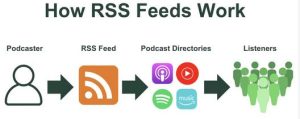
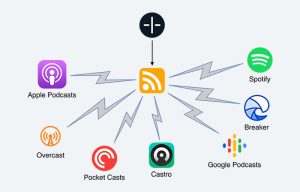
RSS, or Really Simple Syndication, is a standardized web feed format used to publish frequently updated information. In the context of podcasting, an RSS feed allows podcast episodes—including music-based podcasts—to be automatically distributed and updated across multiple platforms like Spotify, Apple Podcasts, Google Podcasts, and more.
When it comes to music podcasts, these RSS feeds become powerful distribution tools. They contain metadata such as episode titles, descriptions, audio file links, and more, which podcast players use to display and stream content.
How Music Podcasts Use RSS
Music podcast creators use RSS feeds to:
-
Upload new tracks, live sessions, or full albums.
-
Curate genre-based shows or themed playlists.
-
Promote underground or independent music scenes.
-
Build a loyal listener base outside mainstream channels.
With minimal technical effort, artists can reach thousands of global listeners by simply updating their RSS feed.
The Role of Music Podcast RSS Feeds in Independent Music
Breaking Down Industry Barriers
The traditional music industry is structured to favor widely marketable content. Artists are often chosen based on their potential for mass appeal, leaving many talented individuals and niche genres out in the cold. Music podcast RSS feeds offer an alternative route to recognition, allowing artists to share their work without gatekeepers.
By leveraging free or low-cost podcast hosting platforms, musicians can:
-
Publish music on their own schedule.
-
Retain creative control over their sound and message.
-
Engage directly with fans through audio content.
Building a Niche Fanbase
One of the most powerful aspects of podcast RSS feeds is the ability to build a community of passionate fans. While mainstream platforms push trending content, podcast feeds allow for long-tail discovery—listeners who crave something different can find exactly what they love.
Artists using RSS feeds often:
-
Develop loyal followings through authentic storytelling.
-
Experiment with genre blending or avant-garde music.
-
Receive feedback directly from listeners via social media or podcast comments.
These loyal niche audiences often become the foundation for long-term artistic success.
Monetization and Growth Opportunities for Podcasters
Free Distribution vs. Paid Content
Many artists initially share their music for free via podcast RSS feeds to build an audience. However, once a solid fanbase is established, various monetization avenues become available:
-
Premium subscriptions: Offering exclusive episodes or early access.
-
Merchandise and ticket sales: Using podcasts as a marketing platform.
-
Crowdfunding platforms: Patreon, Ko-fi, and others for fan support.
-
Sponsorships and partnerships: Collaborations with relevant brands.
Some musicians even create hybrid podcasts—part music, part behind-the-scenes commentary—to enhance listener engagement and increase perceived value.
Leveraging Popularity for Record Deals
While the goal for many artists is independence, others use podcast popularity as a stepping stone to mainstream success. By demonstrating a dedicated listenership and consistent output, artists can attract attention from music producers and labels.
Success stories of podcasters turned signed artists include:
-
Musicians who showcased acoustic sessions and landed indie deals.
-
DJs who released weekly mixes and later performed at major festivals.
-
Genre-specific curators who built record labels around podcast communities.
Technical Considerations for Starting a Music Podcast RSS Feed
Choosing a Podcast Hosting Platform
To start distributing music via an RSS feed, artists need a reliable hosting service. Some popular options include:
-
Buzzsprout
-
Podbean
-
Anchor (now Spotify for Podcasters)
-
Libsyn
These platforms offer built-in RSS generation, audio storage, and distribution to major podcast directories.
Metadata, Licensing, and Legal Issues
When distributing music through RSS, it’s crucial to consider:
-
Metadata accuracy: Titles, episode numbers, genre tags, and descriptions.
-
Music licensing: Ensure you own the rights to the music you publish.
-
Audio quality: High-fidelity recordings are essential for listener retention.
If podcasters use music from other creators, they must acquire proper licenses or use royalty-free tracks.
Promoting Your Music Podcast Feed
Best Practices for Discoverability
To stand out in a saturated podcast market, creators should optimize their content for discovery:
-
Use SEO-friendly titles and episode descriptions.
-
Add keywords and tags relevant to your genre and target audience.
-
Submit to all major podcast directories (Apple, Spotify, Stitcher, etc.).
-
Share on social media platforms and engage with listeners directly.
Collaborations and Cross-Promotion
One of the most effective strategies for growth is collaborating with other musicians or podcasters. This cross-pollination exposes your feed to new audiences and builds credibility in the music community.
Consider:
-
Guest features on other music podcasts.
-
Curated playlists featuring multiple artists.
-
Interviews or Q&A episodes with fellow creators.
Case Studies: Artists Who Used RSS Feeds to Grow
Indie Success Story: Bedroom Pop Artist
An independent pop artist began sharing weekly acoustic covers and original songs via their podcast RSS feed. Over time, they grew a global audience and secured a deal with a boutique label, all while retaining control over their content and style.
DJ Collective: From Podcast to Tour
A group of electronic DJs started a mix podcast, releasing monthly episodes featuring underground tracks. Their following exploded, leading to sponsorship deals, merchandise sales, and an international tour.
Folk Duo: Storytelling Through Song
A folk duo used their podcast not only to share songs but also to tell the stories behind them. Their personal touch created a loyal fanbase and helped them fund two independent albums through crowdfunding campaigns.
Future of Music Podcasting and RSS Feeds
As technology evolves and audiences become more open to diverse content, music podcast RSS feeds are poised to play an even greater role in the music industry. Innovations such as:
-
AI-powered music discovery
-
Interactive podcast features
-
Integrated fan support tools
are transforming how artists engage with their listeners. The line between podcasting and music streaming is becoming increasingly blurred, creating new opportunities for creativity and growth.
Conclusion
Music podcast RSS feeds have revolutionized how independent musicians share their work with the world. By eliminating traditional barriers and offering direct access to fans, these feeds empower artists to create, connect, and grow on their own terms.
Whether you’re a creator seeking new ways to distribute your music or a listener craving authentic and under-the-radar sounds, music podcasting opens a world of possibilities. The future of music isn’t just on the radio or streaming services—it’s in the personalized, passionate space of podcast RSS feeds.
Discovering the Seven La Jolla Sea Caves