
 By admin
The Pros and Cons of Professional Wart Removal: A Comprehensive Guide
Introduction
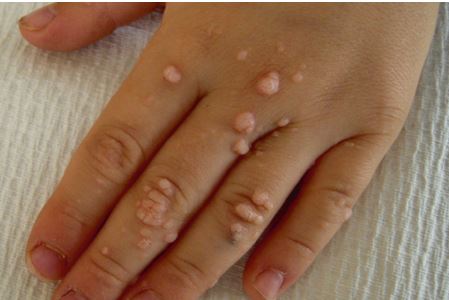
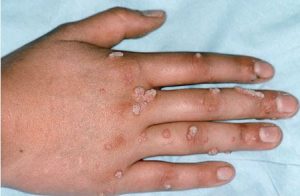
Warts are benign skin growths caused by the human papillomavirus (HPV), affecting millions of people worldwide. Although generally harmless, warts can be unsightly, uncomfortable, and sometimes painful, prompting many individuals to seek removal options. Choosing between professional wart removal and at-home treatments requires careful consideration of various factors, including effectiveness, safety, cost, and convenience.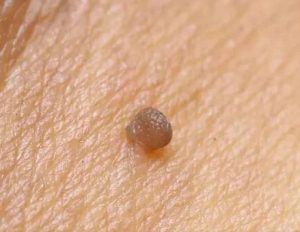
This article explores the advantages and disadvantages of professional wart removal, highlights the latest advancements in treatment methods, and provides essential insights to help you make an informed decision.
Advantages of Professional Wart Removal
1. Expertise and Precision
One of the primary benefits of professional wart removal is the expertise that healthcare providers bring. Dermatologists and primary care physicians possess extensive experience in diagnosing and treating different types of warts. Their proficiency ensures accurate identification and appropriate treatment, reducing the risk of misdiagnosis or ineffective remedies.
2. Access to Advanced Treatment Options
Medical professionals offer a variety of advanced treatment modalities that are not available over-the-counter, including:
- Cryotherapy: A widely used method that involves applying liquid nitrogen to freeze the wart, causing it to blister and eventually fall off. This technique is effective for common warts and is typically performed in a clinical setting.
- Laser Therapy: A precise treatment using focused light beams to destroy wart tissue. Laser therapy is especially useful for warts resistant to other treatments.
- Immunotherapy: This innovative approach stimulates the body’s immune system to fight the HPV virus. Methods include the injection of antigens or the application of topical agents that enhance immune response.
- Electrosurgery: Utilizing high-frequency electrical currents, electrosurgery effectively vaporizes and removes warts with precision, minimizing bleeding and scarring.
3. Professional Aftercare and Monitoring
Professional wart removal ensures proper aftercare, reducing the risk of infection and promoting faster healing. Healthcare providers offer guidance on wound care, prescribe necessary medications, and schedule follow-up visits to assess progress and address any complications.
4. Reduced Risk of Complications
At-home wart removal attempts can lead to complications such as infections, scarring, or the spread of warts to other areas. Professional removal significantly minimizes these risks through sterile techniques and proper protocols.
Disadvantages of Professional Wart Removal
1. Cost Considerations
Professional wart removal can be more expensive than over-the-counter treatments. Costs vary based on the treatment method, the number and size of warts, and the healthcare provider’s fees. While some health insurance plans may cover wart removal if deemed medically necessary, others may not, leading to out-of-pocket expenses.
2. Time Commitment
Scheduling appointments, undergoing procedures, and attending follow-up visits require time, which may be inconvenient for individuals with busy schedules. Some treatments also necessitate multiple sessions to achieve optimal results.
3. Discomfort and Recovery
Certain professional treatments may cause discomfort during and after the procedure. For example, cryotherapy can result in blistering, while surgical excision may lead to soreness and require wound care. Recovery times vary depending on the treatment method and individual healing rates.
4. Emotional Considerations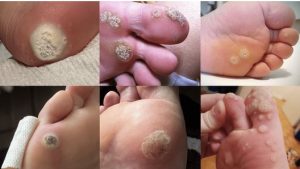
Some individuals may feel self-conscious about seeking professional treatment due to embarrassment about their warts. However, it’s important to remember that medical professionals are trained to handle such conditions with professionalism and without judgment.
Latest Advancements in Professional Wart Removal
The field of dermatology continuously evolves, introducing new and innovative wart removal techniques that enhance effectiveness and reduce discomfort.
1. Photodynamic Therapy (PDT)
PDT involves applying a photosensitizing agent to the wart, followed by exposure to a specific wavelength of light. This combination destroys wart tissue while minimizing damage to surrounding healthy skin. PDT is gaining attention for its efficacy and reduced side effects.
2. Electrosurgery and Curettage
This method combines scraping off the wart (curettage) with the application of an electric current to destroy any remaining wart tissue. It’s particularly effective for stubborn warts and is performed under local anesthesia.
3. Topical Immunomodulators
New topical treatments that modulate the immune response are being explored. These agents enhance the body’s ability to fight off the HPV virus locally, offering a non-invasive option for patients seeking effective wart removal.
Conclusion
Deciding between professional wart removal and at-home treatments requires careful consideration of various factors, including the type of wart, medical history, and personal preferences. Professional removal offers medical expertise, access to advanced treatments, and comprehensive care, though it comes with cost, time, and potential discomfort considerations. Consulting with a healthcare provider can help determine the best treatment option tailored to your specific needs.
The Hidden Health Clues in Your Nails