
 By admin
Introduction
In the intricate network of human health, vitamins play a vital role in supporting bodily functions. Among these, Vitamin B12, also known as Cobalamin, stands out as a powerhouse nutrient crucial for overall well-being. Despite being needed only in small amounts, its impact on energy production, red blood cell formation, neurological function, and DNA synthesis is profound. However, modern lifestyles and dietary choices have led to a growing concern about Vitamin B12 deficiency. Understanding the significance of this essential vitamin, its sources, absorption mechanisms, and the consequences of its shortage is more important than ever.
This article delves deeply into the importance of Vitamin B12, highlighting updated information and offering practical insights to ensure optimal health.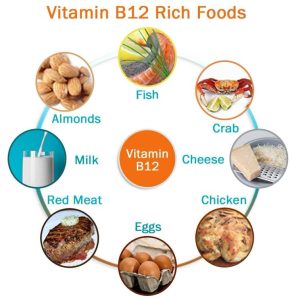
Understanding Vitamin B12: Functions and Importance
Energy Production and Metabolism
One of Vitamin B12’s primary functions is aiding the conversion of carbohydrates, fats, and proteins into usable energy. Without adequate B12, these macronutrients cannot be effectively metabolized, leading to fatigue, weakness, and impaired bodily functions.
Red Blood Cell Formation
Vitamin B12 is critical for the production of healthy red blood cells. Red blood cells are responsible for carrying oxygen throughout the body. Without enough B12, red blood cells become irregularly shaped and unable to function properly, resulting in megaloblastic anemia — a condition marked by tiredness and weakness.
Nervous System Health
Beyond its role in energy and blood health, Vitamin B12 is indispensable for the maintenance of the nervous system. It helps create the myelin sheath, a protective layer around nerves. Damage to this sheath can cause neurological problems, including memory loss, difficulty walking, numbness, and mood disturbances.
DNA Synthesis
Vitamin B12 is essential for DNA synthesis and repair. Every cell in the body relies on B12 for proper replication. Deficiency in B12 can lead to improper cell division, impacting tissues that require rapid renewal like the gastrointestinal tract and bone marrow.
Absorption and Sources of Vitamin B12
How the Body Absorbs Vitamin B12
Despite its importance, Vitamin B12 is notoriously difficult for the body to absorb. To be effectively absorbed:
-
The stomach must release hydrochloric acid to separate B12 from the proteins in food.
-
Then, the intrinsic factor, a protein secreted by the stomach, must bind to free B12 to facilitate its absorption in the small intestine.

Aging, gastrointestinal surgeries, or diseases like pernicious anemia can impair this process, leading to deficiencies even when dietary intake is sufficient.
Natural Sources of Vitamin B12
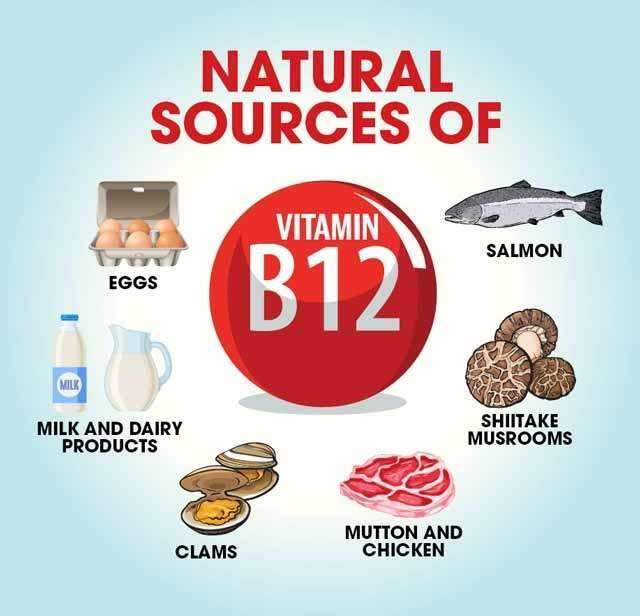
Vitamin B12 is naturally found only in animal-based foods, including:
-
Liver and organ meats (especially beef liver)
-
Fish (such as salmon, tuna, and trout)
-
Meat (beef, pork, poultry)
-
Eggs and dairy products
For most people, a varied diet containing these foods provides enough B12. However, absorption inefficiencies mean that even with sufficient intake, blood levels can still be low.
Vitamin B12 in Plant-Based Diets
Strict vegans and some vegetarians are at high risk of B12 deficiency because they avoid animal products. Fortified foods and supplements become crucial in such diets. Common plant-based sources include:
-
Fortified plant milks (almond, soy, oat)
-
Fortified cereals
-
Nutritional yeast enriched with B12
Regular monitoring of B12 status is recommended for individuals following plant-based diets to avoid long-term health consequences.
Signs and Symptoms of Vitamin B12 Deficiency
Physical Symptoms
-
Fatigue and weakness due to anemia
-
Pale or jaundiced skin
-
Heart palpitations and shortness of breath
Neurological Symptoms
-
Tingling or numbness in hands and feet
-
Difficulty walking (ataxia)
-
Cognitive disturbances like memory loss or confusion
-
Mood changes, including depression and irritability
Neurological symptoms can occur even without anemia, making diagnosis challenging without blood testing.
Risk Groups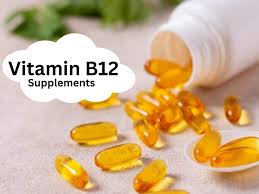
Certain groups are at heightened risk of deficiency, including:
-
Older adults (due to decreased stomach acid production)
-
People with gastrointestinal disorders like Crohn’s disease or celiac disease
-
Individuals who have undergone weight-loss surgery
-
Vegetarians and vegans
-
Pregnant and breastfeeding women, who need higher amounts to support fetal development
Diagnosing and Treating Vitamin B12 Deficiency
Diagnosis
B12 deficiency is diagnosed through blood tests measuring:
-
Serum B12 levels
-
Methylmalonic acid (MMA) (an early marker of deficiency)
-
Homocysteine levels (which rise with B12 deficiency)
Treatment Options
Depending on severity:
-
Oral supplements (high-dose B12 tablets or sprays)
-
Injections (intramuscular B12 shots for more severe deficiencies)
-
Fortified foods incorporated into the diet
Early intervention is key to preventing irreversible nerve damage.
Vitamin B12 Supplementation: What You Need to Know
Types of Supplements
-
Cyanocobalamin: A synthetic form commonly used in supplements, effective and inexpensive.
-
Methylcobalamin: A naturally occurring form thought to be better utilized by the body, especially for neurological health.
-
Hydroxocobalamin: Often used in injections, it stays in the body longer.
Dosage Recommendations
According to the National Institutes of Health (NIH) (updated 2024):
| Age Group | Recommended Daily Intake |
|---|---|
| Infants (0–6 months) | 0.4 mcg |
| Adults | 2.4 mcg |
| Pregnant Women | 2.6 mcg |
| Breastfeeding Women | 2.8 mcg |
Higher doses may be prescribed based on individual health needs.
Preventing Vitamin B12 Deficiency: Tips for Optimal Health
-
Regular Screening: Especially for at-risk populations.
-
Diet Diversification: Include fortified foods and B12-rich animal products when possible.
-
Supplementation: Tailored to lifestyle (vegan, elderly) and health status.
-
Medical Consultation: Before starting high-dose supplements, particularly if underlying conditions exist.
Proactive management can prevent the serious health consequences associated with Vitamin B12 deficiency.
Conclusion
Vitamin B12 plays an irreplaceable role in maintaining energy levels, neurological function, and cardiovascular health. Though the body needs only small amounts, its impact is vast and vital. Modern dietary trends, aging, and certain health conditions have made B12 deficiency a significant public health concern. Recognizing the signs early, consuming appropriate foods, and supplementing when necessary can ensure that this powerhouse vitamin continues to fuel your health journey. Maintaining adequate Vitamin B12 levels is not merely a health recommendation—it’s a necessity for a vibrant, energized life.
The Popularity of Natural Skin Care Products