
 By admin

Introduction
Weight plays a crucial role not only in physical appearance but also in overall well-being. From emotional stability to reducing health risks, managing body weight impacts numerous aspects of life. Obesity can lead to lower self-esteem, heightened risks of chronic diseases, and decreased mobility. Conversely, weight loss can transform an individual’s quality of life—boosting confidence, energy levels, and long-term health.
As a result, countless individuals seek rapid weight loss techniques that deliver quick yet sustainable results. However, successful weight loss requires a well-rounded strategy beyond crash diets or extreme exercise routines. In this article, we explore modern, evidence-based techniques to lose weight quickly, emphasizing safe practices, behavioral changes, nutritional guidelines, and physical activities that deliver real, lasting results.
Key Factors Behind Rapid Weight Loss
1. Medical Consultation: Building the Foundation for Success
Before embarking on any weight loss journey, it is critical to consult a healthcare professional. A thorough medical evaluation identifies underlying health issues, such as hormonal imbalances or metabolic disorders, that could affect weight management. Based on the findings, doctors can recommend the safest and most effective weight loss plans tailored to individual needs.
Key Takeaway: Personalized plans developed under medical supervision significantly increase the chances of success and reduce health risks.
Effective Rapid Weight Loss Techniques
2. Transforming Dietary Habits
2.1 Embrace High-Fiber, Nutrient-Dense Foods
Foods rich in fiber, such as fruits, vegetables, legumes, and whole grains, are essential for rapid weight loss. Fiber slows digestion, making you feel fuller for longer, which naturally reduces overall calorie intake.
Examples of High-Fiber Foods: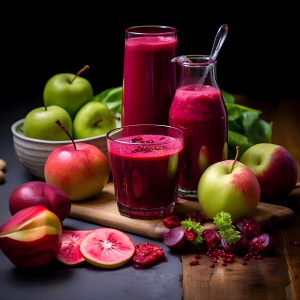
-
Oats
-
Brown rice
-
Lentils
-
Berries
-
Broccoli
Modern Insight: Recent studies show that diets emphasizing whole plant-based foods contribute to faster fat loss and improved metabolic health.
2.2 Choose Lean Protein Sources
Protein is essential for preserving muscle mass during weight loss. Incorporate lean proteins like chicken breast, turkey, tofu, legumes, and fish into every meal to boost satiety and accelerate fat burning.
Pro Tip: Aim for at least 1.2 to 1.6 grams of protein per kilogram of body weight daily for optimal fat loss.
2.3 Avoid Deep-Fried and Processed Foods
Fried foods are loaded with unhealthy fats and empty calories. Instead, opt for grilled, baked, or steamed meals to keep fat intake in check. Additionally, minimize processed foods that often contain hidden sugars, sodium, and unhealthy fats.
3. Smart Eating Behaviors
3.1 Mindful Eating
Practicing mindful eating—focusing on hunger cues, savoring every bite, and avoiding distractions during meals—can dramatically reduce overeating and emotional eating.
Mindful Eating Tips:
-
Eat slowly and chew thoroughly.
-
Avoid multitasking during meals (e.g., watching TV).
-
Recognize true hunger versus emotional cravings.
3.2 Structured Meal Timing
Intermittent fasting has gained popularity as an effective strategy for rapid weight loss. Techniques such as the 16/8 method (16 hours fasting, 8 hours eating window) help regulate calorie intake, enhance insulin sensitivity, and encourage fat burning.
4. Customized Exercise Plans
4.1 Cardiovascular Workouts
Cardio exercises such as brisk walking, jogging, cycling, and swimming are proven to burn calories quickly. Even 15 to 30 minutes of daily cardio can significantly boost the fat-burning process.
Recent Trends: High-Intensity Interval Training (HIIT) sessions—alternating short bursts of intense activity with periods of rest—have been found to burn more fat in less time than traditional steady-state cardio.
4.2 Strength Training for Lean Muscle
Muscle tissue burns more calories at rest than fat tissue. Incorporating strength training exercises, such as weightlifting or bodyweight workouts (push-ups, squats, lunges), builds lean muscle mass and increases resting metabolic rate.
Modern Tip: Aim for at least two strength training sessions per week for maximal fat loss and body recomposition.
5. Behavioral Changes for Long-Term Success
5.1 Setting Realistic Goals
One of the cornerstones of rapid weight loss is setting achievable and measurable goals. Unrealistic expectations often lead to frustration and abandonment of weight loss efforts.
SMART Goals:
-
Specific: Lose 5 pounds in a month.
-
Measurable: Track daily food intake and workouts.
-
Achievable: Adjust based on current fitness level.
-
Relevant: Improve overall health and energy.
-
Time-bound: Set deadlines to maintain focus.
5.2 Building Consistency and Discipline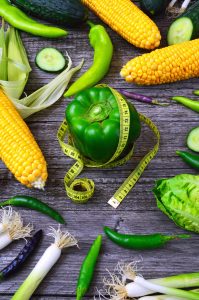
Consistency trumps intensity when it comes to sustainable weight loss. Rather than extreme short-term efforts, adopting manageable lifestyle changes leads to long-term results.
Proven Strategy: Stick to small daily habits, such as walking 10,000 steps a day, preparing healthy meals at home, and practicing portion control.
6. Hydration and Its Role in Weight Loss
Staying well-hydrated is often overlooked but crucial for effective weight loss. Water helps regulate metabolism, supports digestion, and aids in the elimination of toxins.
Hydration Tips:
-
Drink at least 8 glasses (about 2 liters) of water daily.
-
Start meals with a glass of water to curb appetite.
-
Opt for herbal teas or infused water if plain water feels monotonous.
Modern Science: Studies confirm that drinking water before meals can lead to a 13% reduction in calorie intake.
7. Supplementation: Boosting Weight Loss Naturally
7.1 Natural Fat Burners
Certain natural supplements, such as green tea extract, caffeine, and conjugated linoleic acid (CLA), can slightly boost metabolism and enhance fat oxidation when paired with diet and exercise.
Note: Always consult a healthcare professional before beginning any supplementation regimen.
7.2 Probiotics and Gut Health
Emerging research shows that a healthy gut microbiome influences weight management. Probiotic supplements and fermented foods (yogurt, kimchi, kefir) can help balance gut bacteria and support weight loss.
Conclusion: Achieving Rapid Weight Loss the Right Way
Rapid weight loss is achievable, but it must be approached with caution, knowledge, and dedication. Crash diets, extreme workouts, and unsafe supplements may offer short-term results but often lead to long-term setbacks and health complications.
By focusing on holistic strategies—balanced nutrition, consistent exercise, mindful eating, and behavioral changes—individuals can achieve lasting weight loss success. Remember, small, consistent efforts lead to monumental transformations over time. Consultation with healthcare providers, setting realistic goals, staying hydrated, and building a positive mindset are keys to unlocking rapid and sustainable weight loss.
The path to a healthier body isn’t about perfection—it’s about progress, commitment, and persistence.
The Silent Power of Vitamin B12