
 By admin
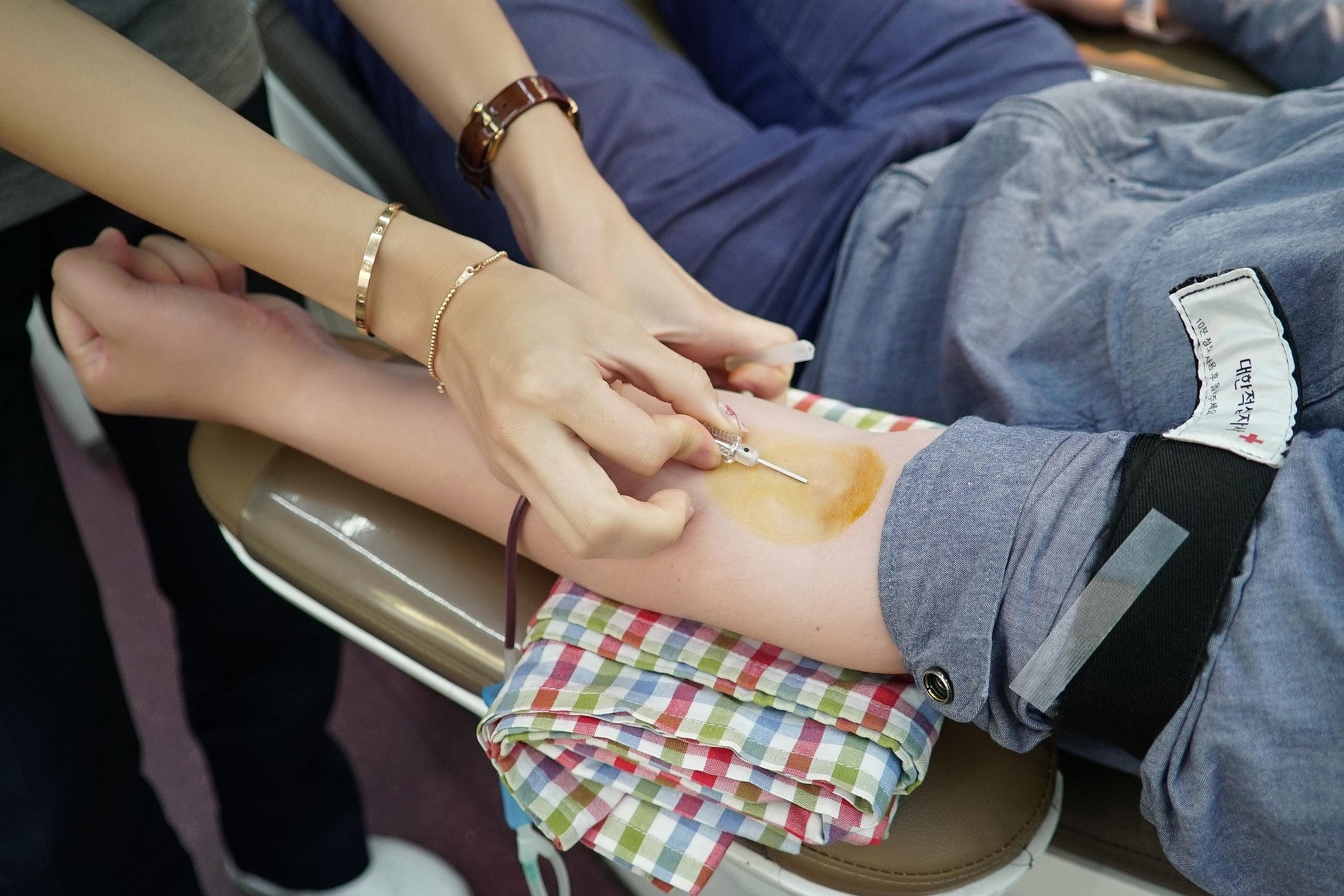
Why Doesn’t DNA Mix During a Blood Transfusion?
Introduction: Understanding the Science Behind Blood Transfusions and DNA Identity
Blood transfusions are one of the most common and critical procedures in modern medicine, with millions of units transfused worldwide each year. From emergency trauma care to chronic illnesses such as anemia or cancer, transfusions save countless lives daily. However, a fascinating and sometimes misunderstood question often arises: If blood contains cells, and cells contain DNA, why doesn’t a blood transfusion change the recipient’s DNA?
At first glance, the idea that someone else’s blood, complete with its own genetic material, could alter or influence your DNA seems plausible. Yet, the reality is rooted in complex—but reassuring—biological principles. To understand why DNA mixing doesn’t occur in transfusions, we need to explore the components of blood, the role of DNA in various cell types, the function of the immune system, and advances in transfusion safety.
This article takes a deep dive into this biological puzzle, shedding light on how your genetic identity remains protected and unchanged—even when receiving life-saving blood from another human being.
1. Blood Composition: What’s Really Inside Your Veins
1.1 The Components of Human Blood
Blood is more than just a red liquid. It is a living tissue composed of different cell types suspended in plasma:
- Red Blood Cells (RBCs): These cells make up about 45% of total blood volume and are responsible for transporting oxygen using hemoglobin.
- White Blood Cells (WBCs): Also known as leukocytes, these are immune system warriors that protect the body from infections and pathogens.
- Platelets: Tiny cell fragments involved in blood clotting and wound healing.
- Plasma: The straw-colored fluid that carries water, salts, enzymes, hormones, and proteins throughout the body.
1.2 What’s Included in a Standard Blood Transfusion?
Most blood transfusions involve only specific components rather than whole blood. Common types include:
- Packed Red Blood Cells (PRBCs) – most frequently used for oxygen delivery.
- Plasma Transfusions – used for clotting disorders or plasma deficiencies.
- Platelet Concentrates – administered to patients with bleeding or low platelet counts.
Importantly, white blood cells are typically removed from donor blood through a process called leukoreduction, drastically reducing the chance of DNA-containing cells being introduced into the recipient.
2. DNA and Blood Cells: What Contains Genetic Material?
2.1 Red Blood Cells and the Absence of DNA
Mature red blood cells are unique among body cells in that they do not contain nuclei. During their development in the bone marrow, RBCs expel their nuclei to create more internal space for hemoglobin. This allows them to carry more oxygen efficiently but also means they are DNA-free.
As a result, the most commonly transfused cells—RBCs—do not carry any DNA. This is a crucial reason why receiving donated blood does not introduce new genetic material into your system.
2.2 White Blood Cells: Carriers of DNA
White blood cells, unlike RBCs, do have nuclei and contain DNA. However, their presence in transfusions is tightly controlled:
- Leukoreduction technology filters out most WBCs before transfusion.
- This minimizes immune reactions and potential complications like graft-versus-host disease (GVHD).
Even in rare instances when some white blood cells are transfused, the body’s immune system rapidly detects and destroys these foreign cells before they can persist or affect the recipient’s tissues.
3. The Immune System’s Role in Preventing DNA Mixing
3.1 Recognizing and Eliminating Foreign Cells
Your immune system functions as a vigilant security force. It can identify cells as “self” or “non-self” based on surface proteins. When foreign white blood cells are introduced, the immune system:
- Tags them as invaders
- Activates a targeted immune response
- Destroys them within hours to days
This immune surveillance system ensures that foreign cells—along with their DNA—are neutralized quickly and efficiently.
3.2 DNA Integration: A Biologically Unlikely Event
Even if donor white blood cells survive temporarily, the idea that their DNA could become part of the recipient’s genetic code is far-fetched. Integration would require:
- Uptake of donor DNA by host cells
- Insertion into the recipient’s genome
- Replication and expression
Such events don’t happen naturally. In fact, intentional DNA integration requires highly specialized tools, such as viral vectors or CRISPR-Cas9—technologies used in gene therapy, not standard transfusions.
4. Scientific Evidence and Clinical Observations
4.1 Can Donor DNA Ever Be Detected in Recipients?
Yes, temporary traces of donor DNA can sometimes be detected after a transfusion using sensitive forensic methods. However:
- These fragments are not integrated into the body’s cells.
- They are typically cleared within a few days or weeks.
- They hold no clinical significance and pose no threat to the recipient’s identity or health.
4.2 Microchimerism: A Transplant Phenomenon, Not a Transfusion Concern
In contrast, organ transplants can lead to a condition called microchimerism, where donor cells may persist in the recipient’s body for years. Even in these rare cases, the genetic material remains confined and does not overwrite the host’s DNA.
Blood transfusions, by comparison, do not involve tissues or long-lived cells capable of establishing such a presence.
5. Forensic and Ethical Considerations
5.1 Forensic Complications: Fact vs. Fiction
Occasionally, blood transfusions can complicate forensic DNA testing. If blood is drawn shortly after a transfusion, trace amounts of donor DNA might cause confusion in criminal investigations. However, this is:
- Extremely rare
- Short-lived
- Well-understood by forensic professionals
It does not reflect any real change to the person’s biological or genetic makeup.
5.2 Ethical Misunderstandings and Public Concerns
Some individuals worry that receiving another person’s blood might “change” them genetically or spiritually. However:
- There is no scientific basis for such claims.
- Medical evidence shows no alteration in behavior, personality, or identity following a transfusion.
- Your genetic blueprint remains uniquely yours, untouched by donor material.
6. Innovations in Transfusion Medicine
6.1 Improved Blood Processing Techniques
To ensure maximum safety, modern blood banks employ techniques such as:
- Leukoreduction: Removes more than 99% of white blood cells.
- Pathogen Inactivation: Neutralizes viruses, bacteria, and parasites in blood products.
- Irradiation: Prevents donor lymphocytes from proliferating in immunocompromised patients.
These methods not only protect recipients but also virtually eliminate the chance of DNA transfer.
6.2 The Future: Genetic Medicine vs. Transfusion Safety
While standard transfusions pose no DNA risk, the medical future may involve intentional genetic interventions, such as:
- Gene therapies
- CRISPR-edited cells
- Stem cell transplants
These are radically different from regular blood transfusions and are governed by strict ethical and regulatory guidelines.
Conclusion: Your DNA Remains Unchanged
Despite the incredible power of transfusion medicine, it’s essential to understand that it does not come with genetic consequences. Here’s why:
- Red blood cells, the main component in transfusions, contain no DNA.
- White blood cells are removed before transfusion.
- The immune system swiftly destroys any foreign DNA-containing cells.
- DNA integration is biologically complex and does not occur during transfusion.
Thus, receiving a blood transfusion is a safe, well-regulated process that helps sustain life without altering your biological identity. Your DNA—your core genetic makeup—remains your own.
What Is the Pixel Equivalent of the Human Eye?