
 By admin
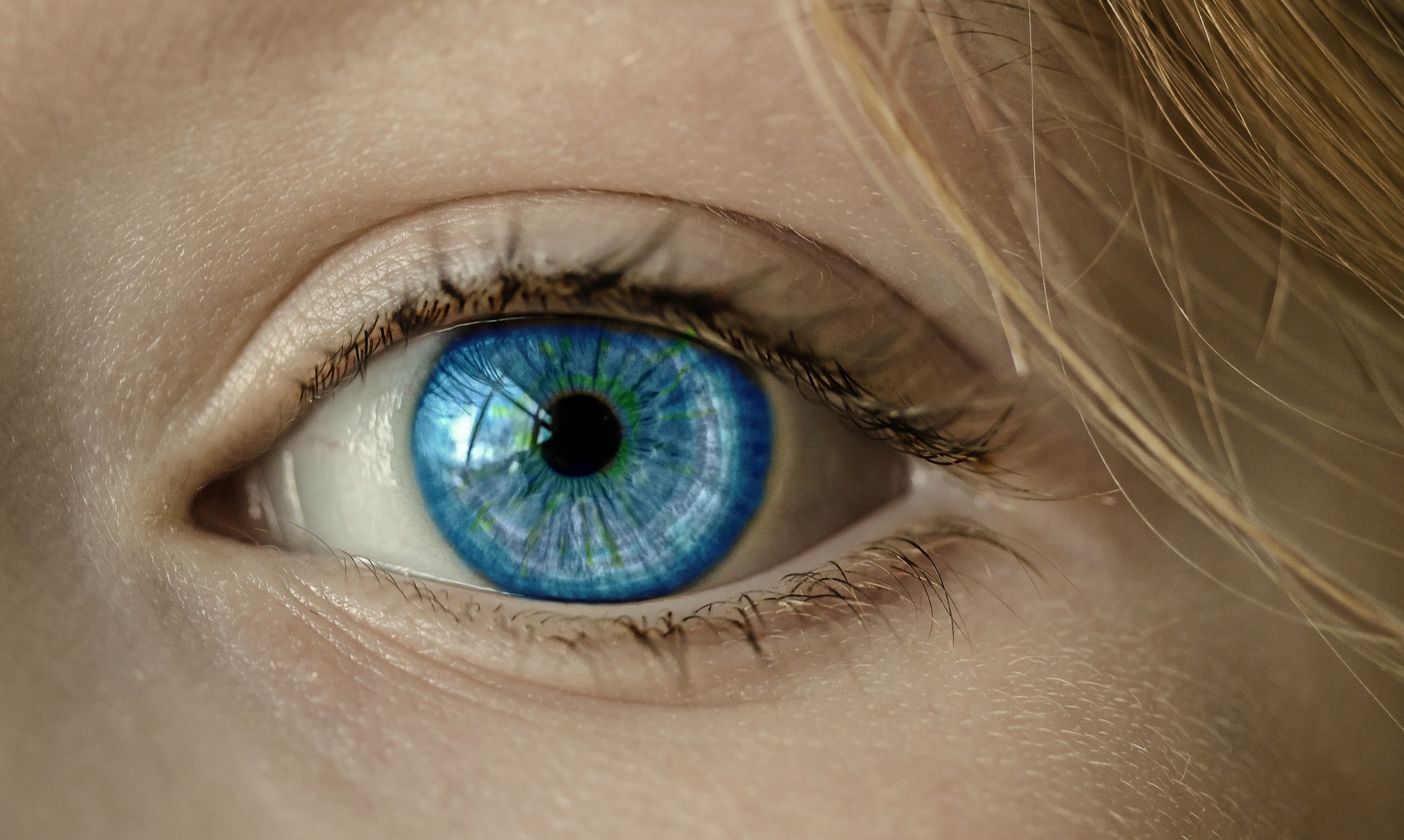
Introduction: The Human Eye vs. Digital Imaging
The human eye is one of nature’s most sophisticated sensory organs, capable of perceiving intricate details, vibrant colors, and subtle contrasts. Its function is often likened to a digital camera, leading many to ask: what is the pixel equivalent of the human eye? This question, while simple in appearance, touches on a highly complex interplay of biology, physics, and neuroscience.
In this article, we explore the eye’s visual resolution, compare it with modern digital imaging systems, and examine how the brain’s processing power influences what we perceive. We’ll also look at the implications of these comparisons for fields like display design, virtual reality, and camera technology.
Understanding Visual Resolution
What Is Resolution in Digital Imaging?
In the realm of digital imaging, resolution refers to the number of pixels used to capture or display an image. Measured in megapixels (millions of pixels), this value determines the level of detail a camera or screen can produce. For example, a 24-megapixel camera captures images with 24 million tiny dots of information.
A higher resolution typically means better image clarity—especially when zooming or enlarging a photo. However, when comparing this with the human eye, we must consider more than just raw pixel count.
The Anatomy of the Human Eye and Its Role in Visual Clarity
Key Components That Influence Vision
The eye is a complex organ, composed of structures that work in perfect harmony to interpret the world visually:
-
Cornea and Lens: These parts focus incoming light onto the retina at the back of the eye.
-
Retina: A thin layer of tissue lined with light-sensitive cells called photoreceptors.
-
Rods and Cones: Rods detect light and motion in dim conditions, while cones interpret color and fine detail.
-
Fovea Centralis: A small pit in the retina densely packed with cones, responsible for sharp central vision.
Photoreceptor Distribution
The distribution of photoreceptors varies across the retina. The fovea contains the highest concentration of cones—around 150,000 per square millimeter—providing ultra-detailed central vision. Meanwhile, peripheral vision contains fewer cones and more rods, making it less sharp but more sensitive to movement and low light.
Estimating the Eye’s Megapixel Equivalent
The Famous 576-Megapixel Estimate
One of the most cited estimates of the eye’s resolution comes from scientist and photographer Dr. Roger Clark, who approximates that human vision equates to 576 megapixels. This estimate considers the angular resolution of the fovea and the eye’s wide field of view, combining the fine detail from the center with broader, lower-resolution peripheral data.
However, this figure doesn’t mean the eye captures an entire scene at 576 megapixels in one glance. Instead, it suggests that the brain, using rapid eye movements and visual memory, constructs a high-resolution perception over time.
Alternative Scientific Estimates
Other researchers offer more conservative numbers. If you count only the 6–7 million cones in the retina, the resolution seems closer to 6 megapixels. But this estimate ignores several critical aspects:
-
The brain’s ability to process and enhance visual input.
-
The role of saccades (quick eye movements) in building a high-resolution “mental image.”
-
Peripheral vision and motion detection beyond cone-based acuity.
Key Factors That Influence Perceived Visual Resolution
1. Field of View (FOV) and Foveal Vision
The human eye has a binocular horizontal field of view of about 120 degrees, expanding to around 200 degrees with peripheral vision. However, detailed vision is restricted to the fovea, covering just 1–2 degrees of the visual field.
In practical terms, only a tiny area of what we “see” is in high definition at any one time. Our brains constantly shift focus using eye movements and “fill in the blanks” from previous visual information.
2. The Brain’s Role in Vision
Human vision is not purely optical—it’s deeply neurological. The visual cortex integrates information from multiple eye positions and lighting conditions to create a fluid and continuous experience. This brain-driven reconstruction allows for:
-
Scene stability despite head or eye movement.
-
Dynamic focus adjustments.
-
Context-based visual enhancement.
3. Color Sensitivity and Perception
Color vision in humans relies on three types of cones—sensitive to red, green, and blue wavelengths. These work together to produce a full-color spectrum. Interestingly, color sensitivity is strongest in the fovea and weakest at the periphery.
In contrast, most digital cameras use a Bayer filter to simulate RGB vision. While effective, camera sensors still struggle to match the human eye’s nuanced perception of contrast and tone.
How Human Vision Compares to Digital Cameras
Beyond the Megapixels: Quality vs. Quantity
While 576 megapixels is a staggering figure, resolution alone doesn’t define visual quality. Other factors include:
-
Dynamic Range: The eye can detect detail in both bright and dark areas of a scene simultaneously. Modern HDR cameras are only now catching up.
-
Depth Perception: Using two eyes (binocular vision), we perceive depth through stereoscopic input, which cameras simulate with dual-lens setups or software algorithms.
-
Motion Tracking: The eye is incredibly responsive to motion—particularly in the periphery—providing evolutionary advantages in detecting danger.
The Limitations of Camera Comparisons
Cameras capture static images with uniform resolution across the frame. The eye, however, offers a dynamic and adaptive visual experience. Attempts to equate the eye with a camera fall short in areas like:
-
Visual Adaptation: Adjusting to different lighting conditions in milliseconds.
-
Real-Time Processing: Filtering, enhancing, and interpreting input in the blink of an eye.
-
Attention-Based Focus: Focusing detail only where it’s needed, reducing cognitive load.
Implications for Technology and Innovation
Optimizing Display Technology
Understanding the limits of human visual resolution is crucial when designing high-resolution displays. Packing more pixels than the eye can detect—known as over-resolution—offers minimal practical benefit beyond a certain threshold.
Retina Displays, for instance, aim to match or exceed the pixel density that the human eye can distinguish at a typical viewing distance (usually around 300 PPI for smartphones). Beyond this, improvements in contrast, color gamut, and refresh rate may offer more noticeable upgrades than resolution alone.
Virtual and Augmented Reality (VR/AR)
In VR and AR applications, pixel density must match the eye’s acuity to prevent pixelation and achieve full immersion. This means:
-
High pixel-per-degree (PPD) screens.
-
Advanced optics that align with eye movement.
-
Low-latency response to head tracking and eye tracking.
Future innovations in eye-tracking and foveated rendering—where high resolution is rendered only where the user is looking—promise more efficient and realistic VR experiences.
Conclusion: Vision Beyond Pixels
The question of how many megapixels the human eye has is both intriguing and misleading. While estimates like 576 megapixels provide a useful frame of reference, they don’t fully capture the complexity of human vision.
Our visual system is a masterpiece of evolution, blending optics with real-time neural computation to create a seamless experience of the world. Comparing it to a camera can offer helpful insights, especially for advancing imaging and display technologies, but it should never diminish the uniquely dynamic and adaptive nature of how we see.
The Science-Backed 5-Day Detox
One X Bet stands as a premier sports betting provider.
With an extensive selection of events, 1xBet meets the needs of a vast audience worldwide.
This 1xBet application crafted to suit both Android and iPhone bettors.
https://duster-clubs.ru/forum/album.php?albumid=762&pictureid=10428
Players are able to download the application through the platform’s page and also Google Play Store for Android.
Apple device owners, the application can be installed from the official iOS store easily.