
 By admin
Affordable SEO Strategies: Unlocking High Rankings Without Breaking the Bank
Introduction
Search Engine Optimization (SEO) remains one of the most powerful tools for driving targeted traffic, increasing brand visibility, and generating sustainable revenue online. However, a common misconception persists: that effective SEO is always expensive. While premium agencies charge thousands of dollars for comprehensive campaigns, the truth is, affordable SEO strategies can deliver exceptional results — even for startups and solo entrepreneurs.
In this guide, we’ll explore how to harness the power of cost-effective SEO tactics to climb the search engine rankings. You’ll learn modern, actionable, and scalable SEO techniques that won’t drain your budget but will maximize your online presence. Whether you’re running a niche blog, an affiliate site, or an e-commerce store, this article will help you implement SEO smarter — not harder.
The Case for Low-Cost SEO
Why Budget-Friendly SEO Still Works
SEO is less about how much money you spend and more about how effectively you implement proven strategies. With Google constantly refining its algorithm to prioritize relevance and user experience, there’s a level playing field for brands that offer real value and optimize efficiently. Budget SEO doesn’t mean cutting corners; it means focusing on what’s essential and executing consistently.
Benefits of Affordable SEO Approaches
-
High ROI: Low investment with potentially significant returns.
-
Scalability: Start small and grow your efforts organically.
-
Independence: Learn and manage SEO in-house without relying on agencies.
-
Sustainability: Build long-term authority without the pressure of high monthly expenses.
Key Low-Cost SEO Strategies
1. Strategic Link Building Without the Cost
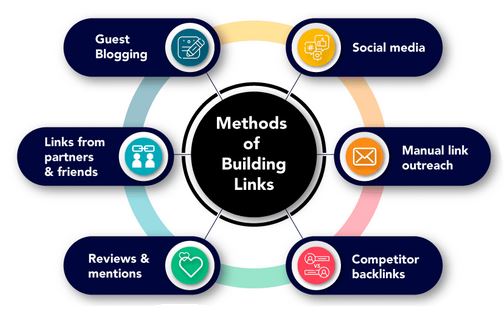
Link building remains a cornerstone of effective SEO. Fortunately, you don’t need to buy links or pay for placements to build authority.
a. Link Exchanges & Partnerships
Reach out to related websites in your niche for mutual link exchanges. Focus on relevance and quality. A few powerful backlinks from trustworthy sites are more impactful than dozens from low-quality sources.
b. HARO (Help a Reporter Out)
By signing up for HARO, you can respond to journalists looking for expert opinions. If selected, your quote could be featured with a backlink from a high-authority domain — completely free.
c. Resource Page Outreach
Find resource pages in your industry and pitch your content as a valuable addition. These often link out to helpful guides and tools.
2. Create Keyword-Rich, User-Focused Content
Content is still king — and always will be. But not just any content: it must be keyword-optimized, engaging, and written for the user.
a. Conduct Free Keyword Research
Tools like Google Keyword Planner, Ubersuggest, and AnswerThePublic offer free insights into popular search queries. Focus on long-tail keywords, which are easier to rank for and often more conversion-friendly.
b. Write Evergreen Articles
Timeless topics drive traffic for years. Create how-to guides, listicles, case studies, and tutorials that solve problems in your niche.
c. Avoid Keyword Stuffing
SEO in 2025 rewards natural language. Use keywords in headers, the first 100 words, image alt-text, and naturally throughout the content.
3. Optimize Your Website Structure and Navigation
Site architecture plays a critical role in both user experience and SEO. A clean, logical structure allows search engines to crawl your site efficiently.
a. Use Clear URL Structures
Keep URLs short, keyword-rich, and readable (e.g., www.yoursite.com/affordable-seo-tips).
b. Internal Linking
Guide visitors — and search bots — through your site by linking to relevant articles and pages. This improves time-on-site and distributes link equity.
c. Mobile-First Design
Google now prioritizes mobile usability. Use responsive themes and test your website on various screen sizes.
4. Secure a Memorable, SEO-Friendly Domain
While domain registration isn’t free, it’s a one-time investment with long-term value.
a. Choose a Brandable Domain
Short, catchy, and relevant names are easier to remember and share.
b. Include a Primary Keyword
Including a core keyword (e.g., “tools,” “SEO,” “guide”) in your domain can improve relevance signals to search engines.
c. Avoid Numbers and Hyphens
These make domains harder to remember and more prone to user error.
5. Leverage Free SEO Tools and Analytics
Several free or freemium tools can give you professional-grade SEO insights without the price tag.
a. Google Search Console
Track your keyword rankings, monitor crawl errors, and submit sitemaps.
b. Google Analytics 4
Understand where your traffic is coming from and how users interact with your content.
c. Screaming Frog (Free Version)
Analyze on-page SEO elements, broken links, and duplicate content on small websites (up to 500 pages).
6. Enhance Page Speed and Core Web Vitals
In 2025, Google’s algorithm strongly favors sites that load fast and provide a seamless user experience.
a. Use a Lightweight Theme
Avoid bulky templates that slow your site down. Prioritize performance-focused themes like Astra or GeneratePress.
b. Compress Images
Tools like TinyPNG or ShortPixel reduce image size without sacrificing quality.
c. Implement Lazy Loading
Load images only when they appear on screen to reduce initial load times.
7. Focus on Local SEO (If Applicable)
For small businesses, local SEO is a game-changer — and it’s largely free.
a. Create a Google Business Profile
Ensure your business appears in local search results and on Google Maps.
b. Collect and Manage Reviews
Positive reviews on platforms like Google, Yelp, and Facebook improve trust and click-through rates.
c. Optimize for Local Keywords
Include city or neighborhood-specific keywords in your titles, meta descriptions, and content.
8. Regularly Update Existing Content
Search engines love fresh content. Updating existing posts with new data, improved formatting, or additional insights can boost rankings significantly.
-
Add new internal and external links.
-
Improve readability and formatting.
-
Re-optimize for better keywords.
Conclusion: You Don’t Need Deep Pockets to Rank High
The notion that you need to spend thousands of dollars to succeed in SEO is outdated. With the right strategy, dedication, and a focus on quality, anyone can implement powerful SEO tactics — even on a shoestring budget. The key is consistency, optimization, and understanding how modern search engines reward value and user experience.
Whether you’re a solo entrepreneur, a content creator, or a local business owner, the tools and strategies outlined in this article are your roadmap to building long-term, sustainable visibility online — without burning a hole in your wallet.
Start small. Stay consistent. Optimize smart. Your climb up the search engine ranks begins today.
How to Choose the Right Affiliate Network