
 By admin
Introduction
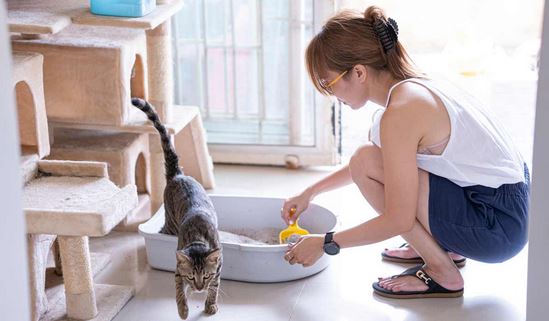
Cats are among the most beloved pets worldwide, cherished for their affectionate nature, playful demeanor, and low-maintenance lifestyle. However, one aspect of cat ownership that often dampens the joy is the inevitable chore of cleaning the litter box. For many, the task of scooping waste is unpleasant, time-consuming, and occasionally overlooked in the hustle and bustle of daily life. Fortunately, advancements in pet care technology have introduced innovative solutions to this age-old problem, making litter cleaning more efficient and less cumbersome. This article explores the importance of maintaining a clean litter box, the challenges it presents, and the modern solutions available to cat owners, including the game-changing self-cleaning litter box.
The Importance of a Clean Litter Box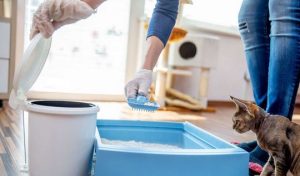
A clean litter box is not just a matter of convenience; it is essential for the health and well-being of both cats and their owners. Cats are naturally clean animals, and a dirty litter box can lead to stress, behavioral issues, and even health problems. For owners, an unkempt litter box can result in unpleasant odors and unsanitary living conditions. Regular cleaning is, therefore, a non-negotiable aspect of responsible cat ownership.
Health Benefits for Cats
- Preventing Infections: A dirty litter box can harbor bacteria and parasites, increasing the risk of urinary tract infections and other illnesses.
- Encouraging Proper Use: Cats are more likely to use a clean litter box consistently, reducing the chances of accidents outside the box.
- Reducing Stress: A well-maintained litter box contributes to a cat’s overall comfort and sense of security.
Benefits for Owners
- Odor Control: Regular cleaning minimizes unpleasant smells, creating a more pleasant living environment.
- Hygiene: Proper waste disposal reduces the risk of contamination and the spread of germs.
- Time Efficiency: Modern solutions like self-cleaning litter boxes can save time and effort.
Traditional Litter Box Cleaning: Challenges and Solutions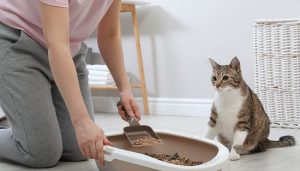
While the traditional litter box is a staple in most households, it comes with its own set of challenges. Scooping waste daily and replacing litter weekly can be tedious, especially for busy individuals or families. However, understanding the process and adopting best practices can make the task more manageable.
Daily Maintenance
- Scooping Waste: Removing clumps and solid waste daily is crucial to maintaining a clean litter box.
- Odor Neutralizers: Using baking soda or specialized litter deodorizers can help control smells.
Weekly Maintenance
- Complete Litter Replacement: Emptying the box, washing it with mild soap, and refilling it with fresh litter ensures a sanitary environment.
- Litter Type Matters: Clumping litter is easier to clean, while non-clumping varieties may require more frequent changes.
The Rise of Self-Cleaning Litter Boxes
For those seeking a more hands-off approach, self-cleaning litter boxes have emerged as a revolutionary solution. These devices automate the cleaning process, ensuring a consistently clean environment for your cat while minimizing the effort required by the owner.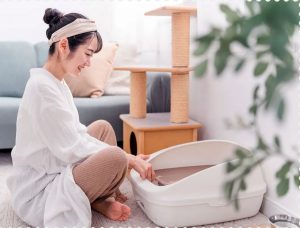
How Self-Cleaning Litter Boxes Work
- Sifting Mechanism: Some models use a rotating dome to sift through the litter, separating waste from clean litter and depositing it into a disposable tray.
- Raking System: Other designs feature a rake that automatically removes clumps and waste, depositing them into a sealed compartment.
Advantages of Self-Cleaning Litter Boxes
- Convenience: These boxes eliminate the need for daily scooping, making them ideal for busy individuals or frequent travelers.
- Odor Control: Many models feature sealed compartments that trap odors effectively.
- Hygiene: Automated cleaning reduces direct contact with waste, promoting better hygiene.
Choosing the Right Model
- Size and Design: Consider the size of your cat and the available space in your home.
- Ease of Maintenance: Look for models with easy-to-replace waste trays and minimal manual intervention.
- Budget: Self-cleaning litter boxes vary in price, so choose one that fits your budget without compromising on quality.
Tips for Maintaining a Clean Litter Box
Whether you opt for a traditional or self-cleaning litter box, following these tips can help ensure a clean and comfortable environment for your cat:
- Placement Matters: Position the litter box in a quiet, accessible location away from food and water bowls.
- Regular Cleaning: Stick to a consistent cleaning schedule to prevent odors and maintain hygiene.
- Monitor Litter Levels: Ensure there is enough litter for your cat to dig and cover waste comfortably.
- Multiple Boxes: If you have more than one cat, provide multiple litter boxes to avoid overcrowding.
- Health Checks: Regularly inspect your cat’s waste for signs of health issues, such as changes in color or consistency.
Conclusion
Cleaning a litter box may not be the most glamorous aspect of cat ownership, but it is undeniably essential. A clean litter box promotes the health and happiness of your feline companion while ensuring a pleasant living environment for you. With the advent of self-cleaning litter boxes, this once tedious task has become more manageable and less time-consuming. By investing in the right tools and adopting best practices, you can transform litter cleaning from a chore into a seamless part of your routine, allowing you to focus on the joys of cat ownership.
The Evolutionary Saga of Dogs