
 By admin
The internet is a vast marketplace teeming with opportunities. With millions of potential consumers available at your fingertips, having an online presence is no longer optional for businesses. However, the very accessibility that makes the internet so enticing also brings an overwhelming level of competition. To thrive in this crowded digital landscape, businesses must adopt effective strategies to make their websites visible and attractive to their target audience.
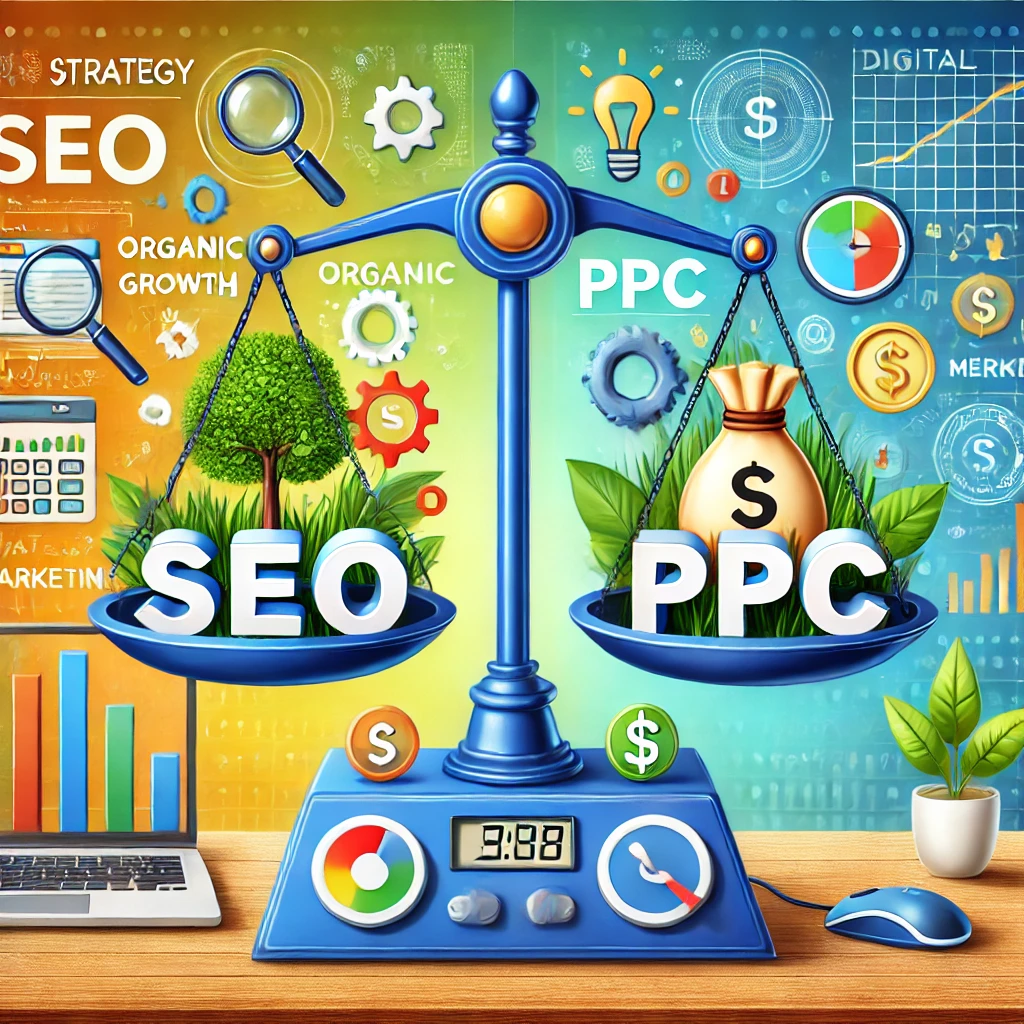
Two prominent approaches to online marketing stand out: Search Engine Optimization (SEO) and Pay-Per-Click (PPC) advertising. Both strategies have their strengths, and understanding their differences is essential to choosing the right one for your business goals.
What is SEO?
SEO (Search Engine Optimization) is the process of optimizing a website to improve its visibility in organic search engine results. Research shows that a significant percentage of internet users rely on search engines like Google to find information. SEO ensures that your website ranks high on search results, increasing the likelihood of attracting visitors.
Key aspects of SEO include:
- Keyword Research: Identifying the terms and phrases your target audience is searching for.
- On-Page Optimization: Enhancing website content, meta tags, and internal links to align with targeted keywords.
- Backlink Building: Creating a network of quality backlinks from reputable websites to boost your site’s authority.
SEO requires time, patience, and consistent effort. Results often take months to materialize, but the long-term benefits—such as steady traffic and a strong online presence—are worth the investment.
Advantages of SEO
- Cost-Effective: While there is an upfront investment in creating and optimizing content, there are no costs for clicks.
- Long-Term Results: Once established, SEO can generate continuous traffic without additional spending.
- Credibility and Trust: High organic rankings enhance your brand’s reputation and credibility among users.
Challenges of SEO
- Time-Consuming: SEO is a long-term strategy that may take 6-12 months to yield significant results.
- Competitive Landscape: Achieving top rankings in competitive niches requires substantial effort and expertise.
What is PPC?
PPC (Pay-Per-Click) is a form of online advertising where businesses pay for their ads to appear at the top of search engine results pages (SERPs). Advertisers are charged each time a user clicks on their ad. PPC campaigns often involve a bidding process where businesses compete for placement based on their maximum bid and ad quality.
Key features of PPC include:
- Ad Creation: Crafting compelling ad copy that encourages users to click.
- Targeting Options: Defining audience demographics, interests, and geographical locations.
- Budget Control: Setting daily or campaign-wide budgets to manage spending.
Advantages of PPC
- Immediate Results: Ads are displayed as soon as the campaign goes live, driving instant traffic.
- Targeted Reach: PPC allows precise audience targeting based on location, device, and interests.
- Budget Flexibility: Advertisers can set spending limits and pause campaigns as needed.
Challenges of PPC
- Cost: PPC can become expensive, especially in highly competitive industries.
- Temporary Impact: Traffic stops once the campaign ends unless it’s continuously funded.
- Risk of Fraudulent Clicks: While ad networks employ measures to prevent fraud, the risk remains a concern.
Choosing Between SEO and PPC
When deciding between SEO and PPC, consider your business goals, budget, and timeline:
- For Long-Term Growth: SEO is ideal for businesses focused on building a strong, sustainable online presence. It’s cost-effective over time and establishes credibility with users.
- For Immediate Results: PPC is perfect for short-term campaigns or new businesses looking to generate traffic quickly. It’s also suitable for promoting time-sensitive offers or events.
Combining SEO and PPC: A Balanced Approach
In many cases, the best strategy is to use SEO and PPC together to maximize results. Here’s how:
- Use PPC to Test Keywords: PPC campaigns can provide valuable insights into high-performing keywords, which can then inform your SEO strategy.
- Leverage SEO for Cost Savings: Once your SEO efforts start yielding organic traffic, you can reduce PPC spending.
- Dominate SERPs: By appearing in both paid and organic search results, you increase your brand’s visibility and credibility.
Final Thoughts
Both SEO and PPC are powerful tools for driving traffic and growing your online business. The key is to align your choice with your specific goals and resources. Whether you opt for the long-term sustainability of SEO or the quick impact of PPC, understanding their strengths and limitations will help you craft a successful marketing strategy.
The digital marketplace is vast and full of opportunities. By making informed decisions and executing your strategy effectively, you can achieve your entrepreneurial vision and thrive in the competitive online world.