
 By admin

Maximum Website Promotion Through Strategic PPC Bid Management
Introduction
In today’s hyper-competitive digital landscape, simply having a website is no longer enough to ensure visibility, traffic, or profitability. Businesses of all sizes are competing for attention in search engine results pages (SERPs), where even a single position difference can significantly impact click-through rates and conversions. As a result, modern marketers increasingly rely on performance-driven online advertising models that offer precision, scalability, and measurable results.
Among these models, Pay-Per-Click (PPC) advertising stands out as one of the most effective and controllable methods for website promotion. PPC allows advertisers to place their businesses directly in front of potential customers at the exact moment they are searching for relevant products or services. However, while PPC offers immense opportunities, it also presents challenges—particularly when it comes to cost control, competition, and optimization.
This is where PPC bid management becomes essential. Effective bid management ensures that advertising budgets are allocated intelligently, keywords are priced strategically, and campaigns generate the highest possible return on investment (ROI). When executed correctly, PPC bid management transforms paid advertising from a costly experiment into a predictable and scalable growth engine.
This article provides a comprehensive, modern, and professional exploration of PPC bid management. It explains how PPC works, why bid management matters, how to develop winning strategies, and which tools can help maximize website promotion while minimizing wasted ad spend.
Understanding Pay-Per-Click Advertising
What Is PPC and How Does It Work?
Pay-Per-Click advertising is an online advertising model in which advertisers pay a fee each time their ad is clicked. Instead of paying for impressions or exposure alone, businesses only pay when a user actively engages with their advertisement by clicking on it.
PPC ads typically appear at the top or bottom of search engine results pages, marked as “Sponsored” or “Ad.” Major PPC platforms include Google Ads, Microsoft Advertising (Bing), Yahoo Search Ads, and other niche or industry-specific networks.
The core mechanism behind PPC is keyword bidding. Advertisers select keywords or keyword phrases relevant to their products or services and place bids indicating the maximum amount they are willing to pay for a click. When users search for those keywords, the advertising platform runs an auction to determine which ads appear and in what order.
The Role of Ad Rank and Quality Score
In modern PPC systems, ranking is no longer determined by bid amount alone. Platforms such as Google Ads also evaluate Quality Score, which considers factors like ad relevance, expected click-through rate, and landing page experience. This means advertisers with well-optimized campaigns can often outperform competitors who bid higher but deliver lower-quality user experiences.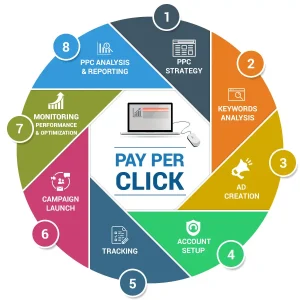
As a result, effective PPC management requires a balance between competitive bidding and strategic optimization—making bid management a critical success factor.
Why PPC Bid Management Is Crucial for Website Promotion
Balancing Cost and Visibility
While PPC offers instant visibility, it can quickly become expensive if bids are not carefully controlled. Highly competitive keywords may cost several dollars—or even tens of dollars—per click. Without proper bid management, advertisers risk overspending on traffic that fails to convert.
Bid management helps businesses determine:
- How much each keyword is truly worth
- Which positions deliver the best ROI
- When to increase or decrease bids based on performance
Improving Conversion Efficiency
Not all clicks are equal. Some keywords may generate large volumes of traffic but produce few sales, while others—often long-tail keywords—may convert at much higher rates. Bid management allows advertisers to shift budgets toward keywords that deliver real business results rather than vanity metrics.
Gaining a Competitive Advantage
In crowded markets, competitors are constantly adjusting bids, launching new campaigns, and testing strategies. Effective bid management enables advertisers to respond quickly to market changes, exploit bid gaps, and maintain profitable ad positions without engaging in costly bidding wars.
Setting the Foundation: Determining Your Maximum Cost Per Click (CPC)
Calculating a Realistic Maximum CPC
One of the first steps in PPC bid management is identifying the maximum cost per click (CPC) you are willing to pay for each keyword. This figure should be based on your business goals, profit margins, and conversion rates—not guesswork.
A common starting approach involves:
- Researching current bid ranges for target keywords
- Calculating an average market bid
- Estimating conversion rates and customer lifetime value
- Adjusting CPC limits to ensure profitability
For example, if a keyword converts at 5% and generates $100 in profit per sale, paying $5 per click may be reasonable. Anything beyond that could reduce profitability.
Adapting CPC Over Time
PPC is not a “set-it-and-forget-it” strategy. As campaigns run, real performance data becomes available. Conversion rates, cost per acquisition (CPA), and ROI metrics should be monitored continuously, allowing advertisers to adjust CPC bids dynamically based on actual results rather than assumptions.
Developing a Multi-Engine Bidding Strategy
Understanding Platform Differences
Each PPC platform has its own bidding system, audience behavior, and competitive dynamics. Google Ads, for instance, often has higher competition and higher CPCs, while Microsoft Advertising may offer lower costs and less competition in certain niches.
Effective PPC bid management involves:
- Creating platform-specific bidding strategies
- Adjusting bids based on user intent and demographics
- Testing keyword performance across multiple engines
Assigning Different Bids for the Same Keywords
A keyword that performs well on Google may underperform on Bing or Yahoo. For this reason, advertisers should avoid using identical bids across platforms. Instead, bids should be tailored to each engine’s performance metrics to maximize overall ROI.
Why Chasing the Top Spot Is Not Always Smart
The Hidden Cost of Position #1
While the top ad position may appear attractive, it often comes with significantly higher CPCs. In many cases, the incremental traffic gained from being first does not justify the additional cost—especially if conversion rates remain unchanged.
User Behavior and Search Patterns
Modern users frequently refine their searches, compare results across platforms, and explore multiple options before making a purchase decision. This behavior means that ads in slightly lower positions—such as fourth or fifth—can still attract high-intent users at a fraction of the cost.
A Smarter Positioning Strategy
Many experienced advertisers intentionally target mid-range positions where costs are lower, competition is less aggressive, and ROI is often higher. From there, bids can be adjusted incrementally based on performance data.
Advanced PPC Bid Management Strategies
Tracking Traffic Sources and Ad Rankings
Understanding which keywords and platforms drive the most valuable traffic is essential. Regular performance analysis allows advertisers to identify:
- High-performing keywords worth increasing bids
- Underperforming keywords that require optimization or removal
- Platforms that deliver the highest conversion rates
Leveraging Bid Gaps
Bid gaps occur when a significant price jump is required to move up one position in ad rankings. Smart advertisers exploit these gaps by positioning ads just below expensive thresholds, gaining strong visibility without unnecessary costs.
For example, if moving from position five to four requires doubling the bid, staying in position five may offer better value while preserving budget for other opportunities.
Avoiding Overbidding and Underbidding
Overbidding can quickly drain budgets without improving outcomes, while underbidding may result in minimal visibility. The goal of bid management is to find the optimal bid, not the highest bid—one that balances cost, exposure, and conversion potential.
The Role of PPC Bid Management Tools
Types of Bid Management Tools
To streamline and scale PPC efforts, many advertisers rely on specialized bid management tools. These tools generally fall into two categories:
- Web-based platforms offered through monthly subscriptions
- PC-based software purchased as standalone solutions
Both types provide automation, analytics, and optimization features that reduce manual workload and improve campaign performance.
Key Features of Bid Management Tools
Modern bid management tools often include:
- Automated bid adjustments based on performance rules
- Keyword and campaign performance tracking
- ROI and cost-per-acquisition monitoring
- Competitor bid analysis
- Multi-platform integration
- Custom reporting and dashboards
These features are especially valuable for businesses managing hundreds—or even thousands—of keywords across multiple PPC platforms.
Monitoring ROI and Conversion Performance
ROI monitoring tools help advertisers identify which keywords and ads generate profits relative to their costs. By analyzing performance data, marketers can reallocate budgets toward high-performing campaigns and eliminate wasteful spending.
Scaling PPC Campaigns Without Increasing Risk
Building and Testing Keyword Lists
Successful PPC campaigns are built on extensive keyword research. By creating multiple keyword lists across different engines and testing their performance, advertisers can uncover profitable opportunities that competitors may overlook.
Continuous Optimization and Experimentation
The digital advertising landscape evolves constantly. New competitors enter the market, consumer behavior shifts, and platform algorithms change. Ongoing optimization—including bid adjustments, ad copy testing, and landing page improvements—is essential to maintain success.
Conclusion
Pay-Per-Click advertising remains one of the most powerful tools for website promotion in the digital age. However, its true potential is unlocked only through strategic and disciplined PPC bid management. Without proper oversight, PPC can become expensive and inefficient. With the right approach, it becomes a precise, scalable, and measurable growth strategy.
By understanding how bidding works, setting realistic CPC limits, leveraging platform-specific strategies, avoiding unnecessary bidding wars, and using advanced bid management tools, businesses can maximize visibility while protecting their budgets. The ultimate goal is not to outbid competitors at any cost, but to secure the most effective position for the most efficient bid.
In an era where data-driven decision-making defines success, PPC bid management stands as a critical skill for marketers seeking sustainable online growth. Those who master it gain a decisive edge—turning paid clicks into real customers and advertising spend into long-term value.
Unlocking the Power of Public Domain Content