
 By admin
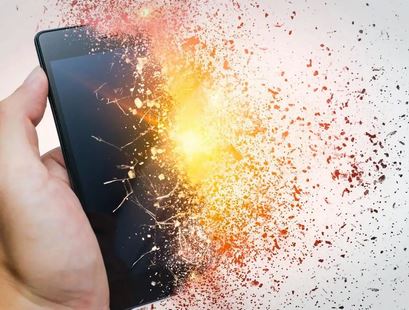
How Could Someone Remotely Explode Your Smartphone? Understanding the Risks and Realities
Introduction
Smartphones have become extensions of ourselves—holding our memories, banking data, identities, and daily communications. But what if this powerful device in your hand could be weaponized against you? Could someone really make your phone explode from a distance?
While this might sound like something out of a sci-fi thriller, the combination of evolving cyber threats, vulnerabilities in mobile hardware, and malicious intent has raised serious concerns. In this article, we’ll dive deep into the reality behind remote smartphone attacks, explore how they could cause physical harm, and provide insights on how to stay protected.
1. The Anatomy of a Smartphone: A Potential Weapon?
1.1 Lithium-ion Batteries: The Real Fire Hazard
Most smartphones today are powered by lithium-ion (Li-ion) batteries. While efficient and compact, these batteries are highly sensitive to:
-
Overheating
-
Overcharging
-
Short circuits
-
Physical damage or punctures
If a hacker can manipulate these factors—especially heat and power cycles—they might induce a battery failure that could lead to swelling, fire, or even an explosion. 
1.2 Thermal Runaway: The Science Behind the Bang
A key mechanism behind battery explosions is a process called thermal runaway. When internal temperature rises uncontrollably due to overcharging or damage, it causes a chain reaction:
-
Temperature increases.
-
Battery electrolyte becomes unstable.
-
The cell ruptures and ignites.
This process, though rare under normal conditions, can be triggered intentionally under certain manipulated scenarios.
2. Can a Phone Be Remotely Exploded? Separating Fact from Fiction
2.1 Software Vulnerabilities: The Gateway for Attackers
Operating systems like Android and iOS are constantly targeted by cybercriminals. Common vulnerabilities include:
-
Remote code execution (RCE) flaws
-
Malware and spyware infections
-
Zero-day exploits
If a hacker gains high-level access, they can potentially override system safeguards—such as thermal or power management protocols—creating a dangerous situation.
2.2 Overclocking and Forced Charging Loops
Malicious code can:
-
Push the CPU/GPU to extreme loads (overclocking)
-
Disable safety cutoffs
-
Trigger endless charging/discharging cycles
In worst-case scenarios, this could stress the battery to the point of failure.
2.3 Real-World Incidents and Experimentation
While intentional remote explosions are not common, researchers and hackers have demonstrated similar risks:
-
2016: Samsung Galaxy Note 7 was recalled due to battery fires.
-
2021: Ethical hackers proved that malware could overheat phones using Wi-Fi and Bluetooth loops.
-
2023: Reports of apps being used to force battery stress testing in infected devices.
These examples show the possibility of physical damage—not necessarily intentional explosions—but underline the risks of remote control over device hardware.
3. Methods Hackers Might Use to Compromise Your Device
3.1 Malicious Apps
One of the easiest methods to gain control of a phone is through malicious apps disguised as:
-
System optimizers
-
Flashlight tools
-
Photo editors or games
These apps may request excessive permissions and silently access device internals.
3.2 Phishing and Social Engineering
A hacker may send:
-
Fake software update links
-
Suspicious file attachments
-
SMS or email links leading to malware
Once clicked, the device could be compromised and set up for manipulation.
3.3 Public Wi-Fi and Network Sniffing
Open networks are hotspots for man-in-the-middle (MITM) attacks. A hacker might:
-
Intercept unencrypted data
-
Inject malicious packets
-
Gain remote access to the device
4. How to Protect Your Phone from Remote Attacks
4.1 Keep Your System Updated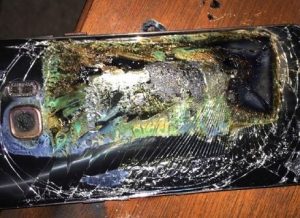
Updates are released frequently to patch vulnerabilities. Always:
-
Enable automatic OS and app updates.
-
Avoid rooting or jailbreaking your device (which disables key security features).
4.2 Install Trusted Security Software
Use reliable mobile security apps that provide:
-
Real-time threat scanning
-
Network monitoring
-
App behavior analysis
Examples include Bitdefender, Norton, and Kaspersky Mobile.
4.3 Avoid Shady Apps and Permissions
Before installing any app:
-
Check developer reputation and reviews.
-
Avoid apps that ask for unrelated permissions (e.g., a calculator asking for microphone access).
4.4 Use Charging Caution
Be wary of:
-
Cheap or counterfeit charging cables.
-
Public charging stations (they can be used for “juice jacking” malware attacks).
Always charge from a secure power source.
4.5 Monitor Your Battery Behavior
Unusual signs include:
-
Rapid battery drain
-
Overheating when idle
-
Unexpected shutdowns or restarts
These could indicate malicious activity affecting your device.
5. Is Remote Smartphone Explosion a Real Threat or Just Hype?
While the idea of someone remotely detonating your phone may still sound sensational, the underlying threats are real:
-
Hackers can manipulate system functions.
-
Batteries can explode under stress.
-
Malware can bridge the two.
However, it’s essential to note that triggering an explosion remotely still requires a high level of access, specific hardware weaknesses, and circumvention of several safety protocols.
So while it’s technically possible, it’s still not commonplace—yet the growing interconnectivity of devices increases the urgency for enhanced security.
6. The Future of Smartphone Security
6.1 AI-Powered Intrusion Detection
Future smartphones will include AI that monitors anomalies in:
-
CPU performance
-
Battery usage
-
Charging patterns
AI can automatically neutralize potential threats before damage occurs.
6.2 Hardware-level Safeguards
Companies are investing in:
-
Smart battery controllers
-
Thermal cutoff mechanisms
-
Tamper-proof security chips
These make it more difficult for remote actors to override critical safeguards.
6.3 Legislation and Cybercrime Enforcement
As the threat of cyber-physical attacks grows, more countries are passing laws targeting:
-
Malware creation and distribution
-
Unauthorized remote access
-
Digital terrorism
Stricter penalties aim to deter these high-risk behaviors.
Conclusion
Although the idea of someone remotely blowing up your phone sounds extreme, it’s not entirely outside the realm of possibility. The combination of battery vulnerabilities, software exploits, and remote access opens the door to potential physical harm—however rare. As devices become more powerful and interconnected, the line between digital and physical security continues to blur.
Staying informed, keeping your software updated, and following best practices for mobile safety are essential steps in reducing your risk. As always in cybersecurity, prevention is far better than reaction.