
 By admin
Why Morocco Has Become One of the Most Promising Tourist Destinations
Introduction
In recent years, Morocco has emerged as one of the most attractive and promising tourist destinations in the world. With its unique blend of history, culture, landscapes, and modern development, the country has successfully positioned itself as a global hub for both leisure and cultural tourism. According to the Moroccan Ministry of Tourism, the country welcomed over 15 million international visitors in 2023, a record number that reflects its growing popularity. Projections for 2024 and 2025 show an even greater rise, thanks to new infrastructure projects, digital tourism strategies, and international events that continue to draw global attention.
So, what exactly makes Morocco such a magnet for tourists from around the globe? The answer lies in its rich cultural heritage, diverse geography, strategic investments, modern hospitality, and safety reputation, all combined with an authentic experience that few destinations can match.
A Rich Cultural and Historical Legacy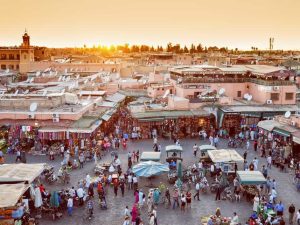
The Gateway Between Africa and Europe
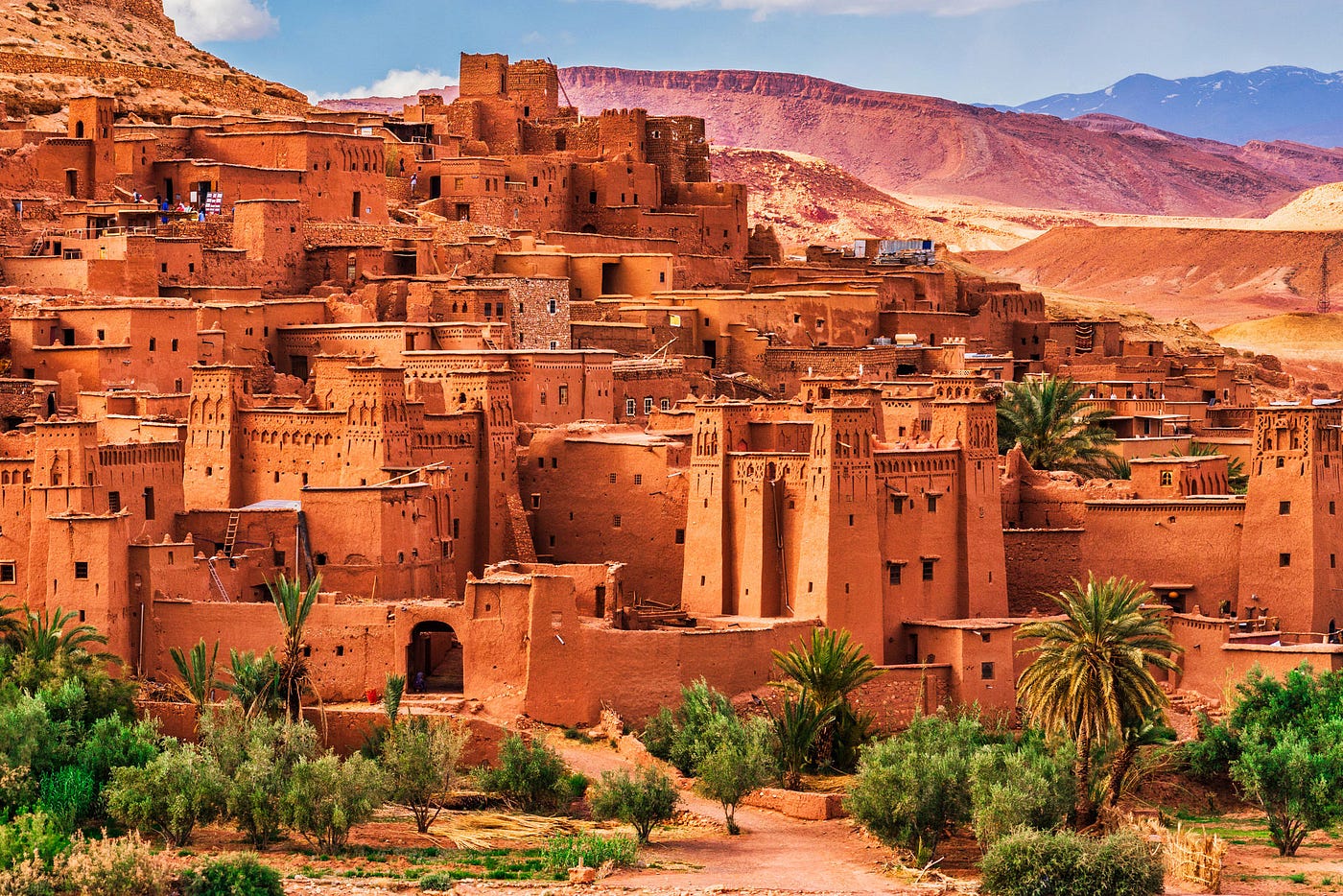
Morocco occupies a unique geographic and cultural position as the bridge between Europe, Africa, and the Arab world. Its history is shaped by centuries of interaction with Berber, Arab, Andalusian, French, and Spanish civilizations, creating a vibrant cultural mosaic. Tourists are fascinated by Morocco’s ability to preserve this heritage while embracing modernity.
UNESCO World Heritage Cities
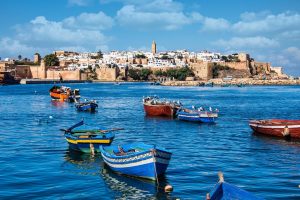
Cities like Marrakech, Fez, Meknes, and Rabat are internationally recognized for their historical and cultural significance. The medinas (old towns), narrow alleyways, traditional markets (souks), and ancient mosques immerse visitors in a journey through time. Marrakech’s Jemaa el-Fna Square, for example, remains one of the world’s most iconic cultural spaces, alive with storytellers, musicians, and food vendors.
Natural Wonders and Diverse Landscapes
Mountains, Desert, and Coastlines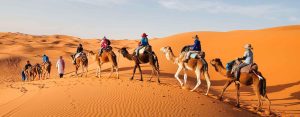
Few countries can rival Morocco’s geographical diversity. From the snow-capped Atlas Mountains to the endless dunes of the Sahara Desert and the sunny beaches of Agadir, Essaouira, and Tangier, Morocco caters to every type of traveler. Adventure seekers hike in the Atlas, camel trek through Merzouga, or surf in Taghazout, while those looking for relaxation can enjoy luxury seaside resorts.
Sustainable and Eco-Tourism Growth
In 2024, Morocco expanded its eco-tourism initiatives, particularly in the Atlas Mountains and rural regions, where tourists can stay in eco-lodges and explore authentic Berber villages. This commitment to sustainability aligns with global trends, attracting environmentally conscious travelers.
Modern Tourism Infrastructure
Smart Cities and Digital Tourism
Morocco has invested heavily in digital transformation of tourism. Cities like Marrakech and Casablanca have adopted smart-city technologies, making it easier for tourists to navigate, book tours, and access services online. In 2025, the Moroccan Tourism Office launched an AI-powered platform offering personalized travel recommendations, which has significantly improved the visitor experience.
Expanding Air and Transport Networks
With Rabat–Salé and Marrakech airports undergoing expansions and new direct international flights from North America, Asia, and Europe, Morocco has become more accessible than ever. The Al Boraq high-speed train linking Tangier, Rabat, and Casablanca is another major attraction, providing a modern, eco-friendly, and efficient travel experience. Plans are underway to extend this network to Marrakech by 2027, further boosting connectivity.
Festivals, Arts, and Cultural Events
International Festivals
Morocco is a land of festivals. The Mawazine Festival in Rabat, which attracts global stars like The Weeknd, Dua Lipa, and Burna Boy, is among the largest music events in the world. Similarly, the Marrakech International Film Festival has become a prestigious cinematic event, bringing together filmmakers, actors, and international audiences.
Sports and Global Events
Sports tourism is also on the rise. Morocco hosted the 2022 FIFA Club World Cup and successfully co-bid with Spain and Portugal for the 2030 FIFA World Cup, creating a wave of enthusiasm and global recognition. This achievement has placed Morocco firmly on the world’s sports tourism map.
Hospitality and Moroccan Cuisine
World-Class Hotels and Riads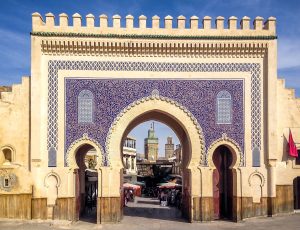
Morocco offers an exceptional mix of luxury resorts, boutique hotels, and traditional riads. Cities like Marrakech and Fez are famous for their riads—beautifully restored Moroccan houses with central courtyards—that provide authentic cultural experiences. Luxury international brands, such as Four Seasons, Fairmont, and Hilton, continue to expand their presence, reflecting the growing demand.
A Culinary Journey
Food is one of Morocco’s strongest attractions. Moroccan cuisine, known for its rich spices and flavors, includes globally loved dishes such as couscous, tagine, pastilla, and mint tea. UNESCO even recognized Moroccan couscous as part of the Intangible Cultural Heritage of Humanity. Culinary tourism has become a booming trend, with cooking classes, food festivals, and gastronomy tours gaining popularity.
Safety, Stability, and Hospitality
A Safe and Welcoming Destination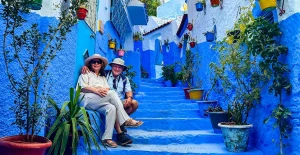
In a world where safety often influences travel decisions, Morocco stands out as one of the safest countries in Africa for tourists. Its political stability, low crime rates in tourist zones, and well-developed hospitality sector make it an ideal choice for families, solo travelers, and groups alike.
Legendary Moroccan Hospitality
The concept of “Moroccan hospitality” is deeply rooted in tradition. Visitors are often impressed by the warmth, generosity, and friendliness of the Moroccan people, which transforms a simple trip into an unforgettable human experience.
Tourism and Economic Vision 2030
Morocco’s National Tourism Strategy
The Moroccan government has launched the “Vision 2030 for Tourism”, aiming to double the number of visitors, create sustainable jobs, and diversify tourism offerings beyond the main cities. Special attention is given to eco-tourism, sports tourism, and cultural tourism.
Green and Sustainable Tourism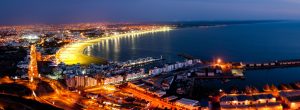
In line with global climate goals, Morocco is also promoting green tourism by investing in renewable energy, eco-friendly accommodations, and sustainable mobility. The Noor Solar Plant in Ouarzazate, one of the largest in the world, is itself becoming a tourist attraction that symbolizes Morocco’s environmental leadership.
Morocco in 2024–2025: Latest Highlights
- Education Tourism: In 2024, Morocco signed partnerships with international universities, attracting students for cultural exchange programs that double as tourism opportunities.
- Medical Tourism: Casablanca and Rabat are developing specialized centers for health and wellness tourism, including spa resorts and advanced medical facilities.
- Digital Nomads: With improved internet infrastructure and co-working hubs, Morocco is now on the list of top destinations for remote workers in 2025.
- Elections and International Attention: Morocco’s recent democratic processes and role in African Union diplomacy have boosted its global image, increasing visitor curiosity.
Conclusion
Morocco’s rise as one of the most promising tourist destinations in the world is no coincidence. It is the result of a powerful combination of cultural richness, geographical diversity, modern infrastructure, global events, and visionary strategies. Whether it is the ancient charm of its medinas, the breathtaking beauty of the Sahara, the rhythm of its festivals, or the taste of its world-class cuisine, Morocco offers something unique for every traveler.
As we move into 2025 and beyond, Morocco continues to redefine itself not only as a travel destination but also as a global leader in sustainable and cultural tourism. For millions of visitors worldwide, Morocco is no longer just a holiday spot—it is a complete journey of discovery, inspiration, and unforgettable experiences.
Brazil’s Hidden Eco-Chic Paradise