
 By admin
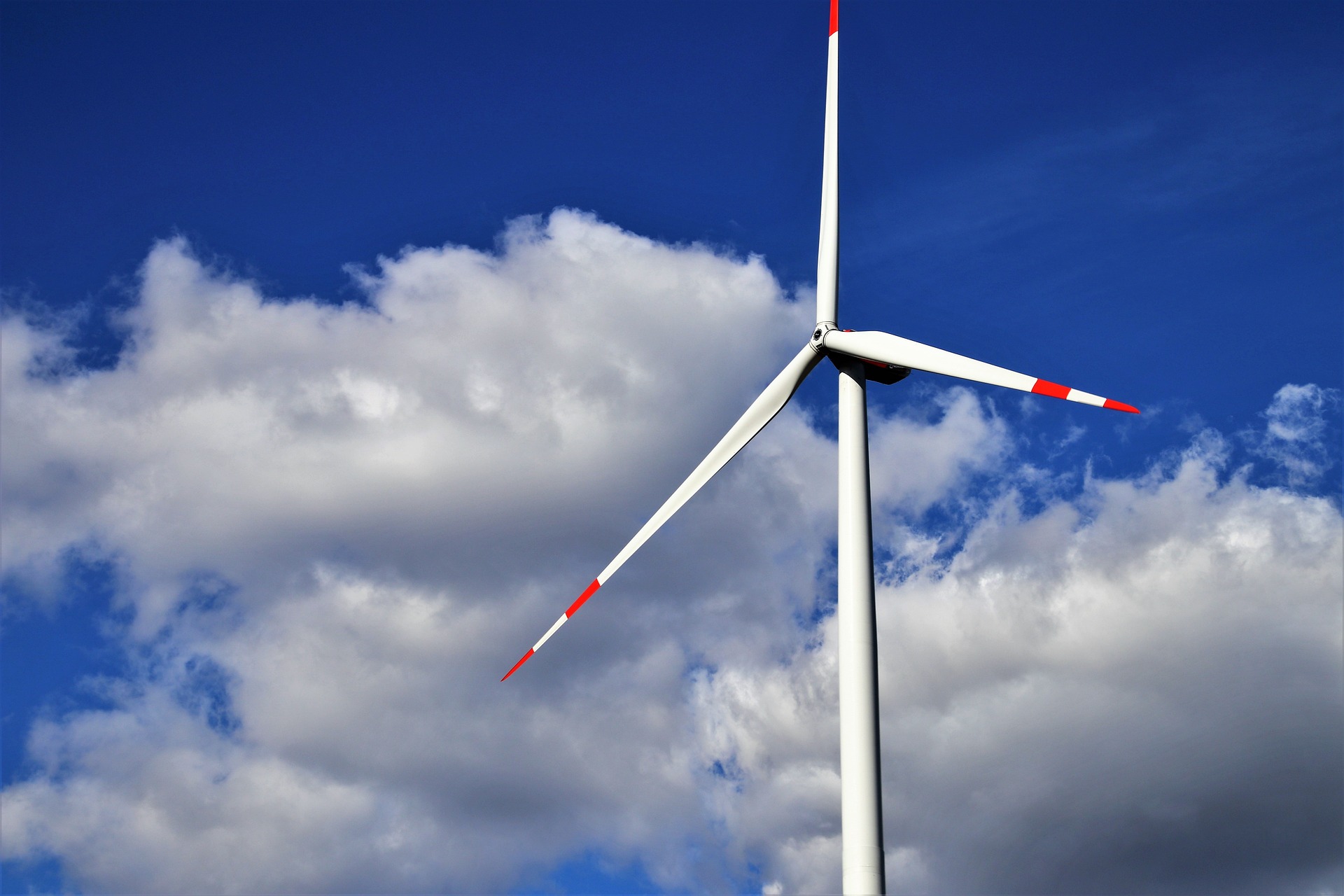
Wind Energy: Harnessing Nature’s Power for a Sustainable Future
Wind energy is one of the most promising renewable energy sources available to humanity today. As the world grapples with the challenges of climate change, environmental degradation, and the depletion of fossil fuels, the need for clean and sustainable alternatives has never been greater. Among the most efficient and eco-friendly options, wind energy stands out due to its abundance, renewability, and minimal environmental impact. This article explores the importance of wind energy, its benefits, technological advancements, and the future potential it holds for powering the world.
What is Wind Energy?
Wind energy refers to the process of converting wind’s kinetic energy into mechanical energy, which can then be converted into electricity through the use of wind turbines. Wind, caused by the uneven heating of the Earth’s surface by the sun, creates air movement, which in turn generates the energy harnessed by wind turbines. This form of energy has been utilized for thousands of years, originally for tasks like sailing ships and grinding grain. However, the modern application of wind energy for electricity generation has become a cornerstone of the global transition toward clean energy.
How Do Wind Turbines Work?
The core of wind energy technology is the wind turbine. These machines are designed to capture the energy of the wind through large blades that rotate when the wind blows. The kinetic energy in the wind turns the blades of the turbine, which are connected to a rotor shaft. This motion is transferred to a generator, where it is converted into electrical power.
Wind turbines come in various sizes and types, but the most common are horizontal-axis wind turbines (HAWTs), which are typically seen on large wind farms. These turbines have blades that rotate on a horizontal axis, similar to the blades of a propeller. Vertical-axis wind turbines (VAWTs), although less common, have blades that rotate on a vertical axis and can be more effective in certain locations where wind directions are unpredictable.
The Global Growth of Wind Energy
Wind energy has seen remarkable growth over the past few decades. According to the Global Wind Energy Council (GWEC), the total installed capacity of wind power worldwide has exceeded 700 gigawatts (GW), and it continues to grow. This growth is driven by various factors, including increasing concerns about climate change, the rising cost of fossil fuels, and advancements in wind turbine technology that have made wind energy more cost-competitive with traditional energy sources.
Countries around the world are investing heavily in wind energy, both onshore and offshore. While onshore wind farms are more common, offshore wind farms are growing in popularity due to their potential for higher energy yields and less land-use conflict. Countries such as China, the United States, Germany, and Denmark are leading the charge in wind energy development, with the latter being one of the pioneers of offshore wind technology.
The Environmental Benefits of Wind Energy
One of the most compelling reasons to invest in wind energy is its environmental impact. Unlike fossil fuels, which release harmful greenhouse gases (GHGs) into the atmosphere, wind energy produces no emissions during operation. Wind turbines do not burn any fuel, and they do not release air pollutants such as carbon dioxide (CO2), nitrogen oxides (NOx), or sulfur dioxide (SO2). This makes wind energy a key player in reducing global carbon footprints and combating climate change.
Moreover, wind energy helps to reduce water consumption, which is a major issue with fossil fuel-based power plants. Traditional power plants, such as coal and nuclear plants, require vast amounts of water for cooling. Wind turbines, however, require no water to operate, which is particularly important in water-scarce regions.
Another advantage of wind energy is that it can be used in a wide variety of locations. While certain regions are windier than others, wind turbines can be installed in rural areas, on mountain ridges, or even offshore. Wind energy can also contribute to energy diversification, making power grids more resilient and less reliant on a single energy source.
Economic Impact and Job Creation
The wind energy industry has also proven to be a significant driver of economic growth and job creation. According to the International Renewable Energy Agency (IRENA), the global wind energy sector employs over a million people worldwide, with the number expected to grow as the sector expands. Jobs are created not only in turbine manufacturing and installation but also in research and development, operation, and maintenance.
Furthermore, the construction and operation of wind farms bring economic benefits to local communities. Wind farms provide landowners with rental income, and rural communities often see increased tax revenues. In addition, the wind energy sector helps to stimulate innovation and technological advancements, which can have far-reaching effects on other industries.
The Technological Advancements in Wind Energy
Technological advancements have played a crucial role in making wind energy a more viable and competitive energy source. Over the past few decades, turbines have become significantly larger and more efficient. Modern turbines are capable of generating more electricity with lower wind speeds, allowing them to operate in a wider range of conditions.
Another technological breakthrough is the development of offshore wind farms. Offshore wind turbines are typically larger than their onshore counterparts and can capture stronger, more consistent winds at sea. Advances in turbine design, such as floating wind platforms, are further opening up the potential for offshore wind energy in deep-water locations.
Additionally, digital technologies such as artificial intelligence (AI) and the Internet of Things (IoT) are being incorporated into wind energy systems to optimize turbine performance and maintenance. Predictive maintenance, for example, uses sensors and AI to monitor the health of turbines and detect potential issues before they lead to costly breakdowns. This not only improves the efficiency of wind farms but also reduces operating costs.
Challenges Facing Wind Energy
Despite its many advantages, wind energy is not without its challenges. One of the primary concerns is the intermittency of wind. Wind speeds are not constant, and periods of low or no wind can lead to a decrease in power generation. This variability can pose challenges for power grid stability, especially in regions where wind energy makes up a large portion of the energy mix.
To address this issue, energy storage technologies such as batteries and pumped hydro storage are being developed and implemented to store excess energy generated during windy periods for use during calm periods. Additionally, improvements in grid infrastructure and the integration of wind energy with other renewable sources like solar power can help mitigate the effects of intermittency.
Another challenge is the environmental and aesthetic concerns associated with wind farms. Some people object to the visual impact of large wind turbines on the landscape, while others are concerned about the impact of wind farms on local wildlife, particularly birds and bats. However, studies have shown that the impact on wildlife can be minimized with careful planning and siting of wind farms.
The Future of Wind Energy
The future of wind energy is bright. As wind turbine technology continues to improve and the cost of production continues to decrease, wind energy is expected to become an even more dominant player in the global energy market. Offshore wind farms, in particular, hold tremendous potential for expanding wind energy capacity, with vast areas of the world’s oceans suitable for development.
In addition to technological advancements, policies supporting the growth of renewable energy are critical to accelerating the adoption of wind power. Many governments have set ambitious renewable energy targets, which will drive further investment in wind energy infrastructure. International agreements such as the Paris Agreement on climate change also underscore the importance of transitioning to low-carbon energy sources, providing a strong incentive for the expansion of wind energy.
Furthermore, the increasing awareness of climate change and the need for sustainability is pushing consumers and businesses to seek out green energy solutions. As public support for renewable energy grows, wind energy will become an even more integral part of the global energy mix.
Conclusion
Wind energy is a vital component of the transition to a sustainable and low-carbon future. It offers numerous benefits, including environmental protection, economic growth, and energy security. While challenges remain, technological advancements, policy support, and public engagement will ensure that wind energy continues to play a critical role in the global effort to combat climate change. As the wind turbine industry continues to evolve and expand, the world stands to benefit from an abundant, renewable, and clean source of energy that will power generations to come.
By harnessing the power of the wind, we not only reduce our reliance on fossil fuels but also take a significant step toward a cleaner, greener planet. The future of wind energy is full of promise, and with continued innovation and commitment, it has the potential to transform the way we power the world.