
 By admin
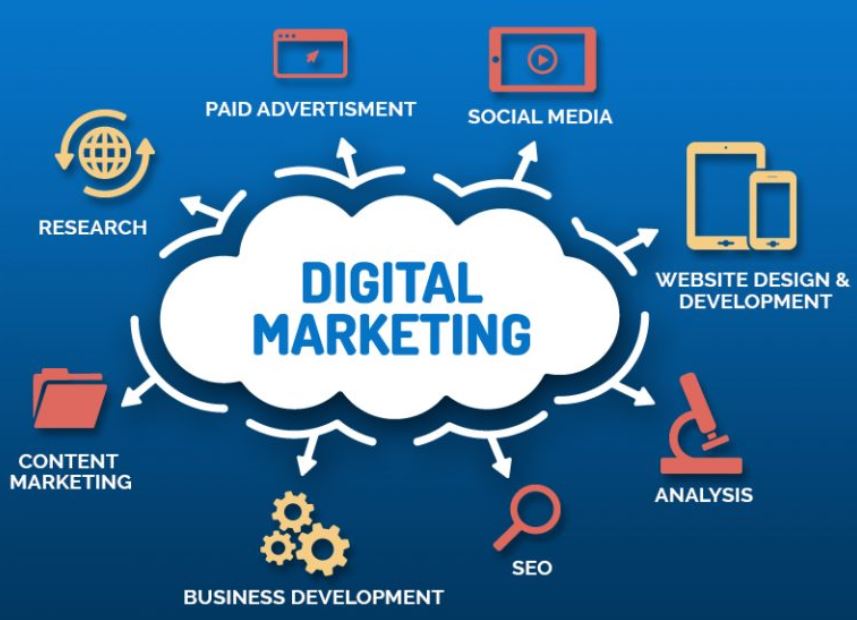
Online marketing has evolved into a cornerstone of modern business strategy, transcending traditional advertising methods like newspapers, radio, and television. In today’s digital landscape, effective online marketing leverages technology to drive sales, build brand awareness, and create meaningful connections with consumers. Whether you’re a seasoned entrepreneur or just stepping into the digital arena, understanding the nuances of online marketing can set you apart from the competition.
In this article, we’ll explore actionable strategies for online marketing, providing insights that can help your business thrive in the competitive online space.

The Foundations of Online Marketing Success
To succeed in online marketing, businesses must focus on two essential elements: a compelling product and a robust marketing strategy. The product must address a specific need or solve a problem for customers, while the marketing strategy ensures that the message reaches the target audience effectively. Here are some detailed tips to help you navigate the world of online marketing:
1. Identify and Understand Your Target Market
Begin by defining what your product or service offers and whom it is meant to serve. Consider these key points:
- Solve a Problem: Your product should fill a gap or solve an issue that customers currently face. It could be something that enhances convenience, improves quality of life, or provides unique value.
- Understand Customer Needs: Conduct thorough market research to understand your audience’s preferences, behaviors, and pain points. Use surveys, focus groups, and analytics tools to gather insights.
2. Choose a Memorable Domain Name
Your website’s domain name is your digital address, and it’s crucial to select one that reflects your brand identity:
- Be Catchy and Relevant: Choose a name that’s easy to remember, aligns with your brand, and resonates with your audience.
- Check Availability: Since many domains may already be registered, brainstorm multiple options and use domain search tools to find available names.
- Incorporate Keywords: Including relevant keywords in your domain can improve search engine optimization (SEO) and help users find your site more easily.
3. Optimize Your Website for SEO
Search engine optimization (SEO) is the backbone of online visibility. To attract organic traffic, ensure your website:
- Uses Targeted Keywords: Research and integrate high-ranking keywords that align with your business offerings.
- Provides Quality Content: Create engaging, informative, and original content that addresses customer queries and adds value.
- Loads Quickly and Is Mobile-Friendly: Fast-loading, mobile-responsive websites rank better on search engines and offer a superior user experience.
4. Highlight Unique Selling Propositions (USPs)
To stand out in a crowded market, emphasize what makes your product or service unique:
- Focus on Benefits: Clearly articulate how your offering is better or different compared to competitors.
- Leverage Testimonials: Display reviews and testimonials to build trust and credibility.
- Offer Exceptional Service: Superior customer service can be a key differentiator, enhancing loyalty and driving repeat business.
5. Implement Effective Marketing Tools
Invest in the right tools to streamline your marketing efforts:
- Email Marketing Platforms: Use tools like Mailchimp or Constant Contact to manage email campaigns, nurture leads, and engage with customers.
- Analytics Software: Tools like Google Analytics provide valuable insights into website traffic, user behavior, and campaign performance.
- E-Commerce Solutions: Ensure your website supports seamless transactions and offers secure payment gateways.
6. Promote Your Website Strategically
Driving traffic to your website requires a combination of organic and paid marketing strategies:
- Social Media Marketing: Leverage platforms like Facebook, Instagram, and LinkedIn to reach your audience with tailored content and ads.
- Content Marketing: Create blogs, videos, and infographics that educate, entertain, or inspire your audience.
- Collaborations and Partnerships: Partner with influencers, bloggers, or complementary businesses to amplify your reach.
- Pay-Per-Click (PPC) Advertising: Use platforms like Google Ads to target specific keywords and drive immediate traffic.
7. Budget Wisely and Monitor Expenses
Effective online marketing doesn’t always require a massive budget, but it does demand careful planning and resource allocation:
- Track Expenses: Maintain detailed records of marketing expenditures to ensure you stay within budget.
- Measure ROI: Regularly analyze the return on investment (ROI) for your campaigns to identify what works and what doesn’t.
- Test and Optimize: Continuously experiment with different strategies and optimize based on performance data.
8. Build Relationships and Foster Engagement
Engaging directly with your audience can strengthen brand loyalty and drive conversions:
- Encourage Feedback: Use surveys, social media, and reviews to gather customer opinions and demonstrate that their input matters.
- Personalize Interactions: Tailor email campaigns and messages based on user behavior and preferences.
- Provide Valuable Resources: Offer free e-books, guides, or webinars to position your brand as a thought leader.
9. Monitor Performance and Adapt
Success in online marketing requires adaptability and constant monitoring:
- Use Analytics Tools: Track key metrics like website traffic, bounce rates, conversion rates, and customer acquisition costs.
- Respond to Trends: Stay updated on industry trends and adjust your strategy to capitalize on new opportunities.
- A/B Testing: Experiment with different headlines, visuals, and calls to action to determine what resonates most with your audience.
Conclusion
Online marketing is an ever-evolving field that offers countless opportunities for businesses to grow and connect with their audience. By focusing on creating a compelling product, building a strong online presence, and leveraging strategic marketing techniques, businesses can achieve sustainable success. Remember that consistency, creativity, and a customer-centric approach are key to thriving in the competitive digital marketplace. Whether you’re starting from scratch or enhancing your current strategy, these tips can serve as a roadmap to elevate your online marketing efforts.