
 By admin

The Hallmarks of a Successful After-School Program
After-school programs play a pivotal role in the holistic development of children, providing opportunities for learning, socialization, and personal growth beyond the classroom. Parents often seek these programs to enhance their child’s skills and keep them engaged in constructive activities. But what truly defines a successful after-school program? Let’s delve into the essential characteristics and benefits that make these programs impactful, while addressing the latest trends and practices in this domain.
Promoting Social Skills and Interpersonal Growth
One of the primary objectives of any high-quality after-school program is fostering the development of social skills. Modern parents not only desire their children to exhibit respect towards others but also want them to excel in building relationships, adapting to diverse social environments, and overcoming the challenges of making new friends. These programs create a structured yet relaxed environment where children can engage with peers from various backgrounds, helping them step out of their comfort zones.
Recent studies emphasize the importance of collaborative activities in nurturing these skills. Team-based projects, group games, and community service tasks encourage children to communicate effectively, resolve conflicts, and develop empathy. Programs that prioritize inclusivity and teamwork equip children with the tools to thrive socially, both in their current lives and future endeavors.
Ensuring Safety and Security
Safety is a non-negotiable element of any after-school program. With parents entrusting the well-being of their children to these initiatives, organizers must implement stringent safety protocols. From secure facilities to adequately trained staff, every aspect must aim to protect the participants. Moreover, ensuring a low child-to-staff ratio allows for closer supervision and immediate attention when needed.
 Technological advancements have also contributed to enhancing safety measures. Many programs now incorporate digital check-in systems, real-time updates for parents, and surveillance systems to ensure transparency and security. Such measures not only keep children safe but also instill confidence in parents about the program’s reliability.
Making Learning Fun and Engaging
The essence of an effective after-school program lies in its ability to combine learning with enjoyment. For younger children especially, activities must be designed to captivate their interest and sustain their motivation. Programs that integrate elements of play, creativity, and hands-on learning often yield better results compared to those that rely solely on traditional instructional methods.
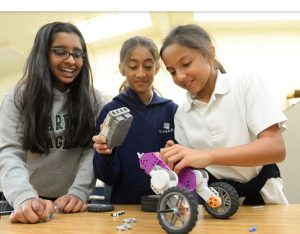
For instance, STEM (Science, Technology, Engineering, and Mathematics) programs have gained immense popularity due to their engaging approach. Through robotics workshops, coding challenges, and science experiments, children not only learn valuable skills but also develop a passion for innovation and problem-solving.
Structured and Age-Appropriate Activities
A well-organized after-school program aligns its activities with the developmental stage and individual needs of each child. Structured routines and clear goals help participants understand the purpose of their involvement. Programs tailored to specific age groups ensure that activities are neither too simplistic nor overwhelmingly complex.
For example, younger children may benefit from art classes or storytelling sessions, while older students might prefer debate clubs, leadership workshops, or career-focused training. Personalization is key—successful programs offer a variety of options to cater to different interests and aptitudes, empowering children to explore their potential fully.
Instilling a Sense of Purpose
Children thrive when they recognize that their efforts contribute to achieving meaningful objectives. Whether it’s completing a community project, mastering a new skill, or preparing for a performance, having a clear sense of purpose enhances their commitment and satisfaction.
Effective programs communicate these goals clearly, encouraging children to set and achieve milestones. This not only boosts their confidence but also nurtures a growth mindset, teaching them the value of perseverance and continuous improvement.
Incorporating Modern Trends and Innovations
In recent years, after-school programs have evolved to incorporate cutting-edge practices and trends, ensuring they remain relevant and impactful:
- Technology Integration: Many programs now leverage technology to teach digital literacy, coding, and other essential 21st-century skills.
- Mental Health Focus: Recognizing the growing importance of mental well-being, programs often include mindfulness activities, stress management workshops, and access to counselors.

- Sustainability and Eco-Awareness: Activities that promote environmental consciousness, such as recycling projects and nature exploration, are increasingly common.
- Cultural Diversity: Programs celebrate diversity by introducing children to different cultures through language lessons, cooking classes, and cultural festivals.
- Hybrid and Online Models: The pandemic accelerated the adoption of virtual learning, and many programs now offer hybrid models to cater to diverse needs and schedules.
Measuring Success: Key Metrics
The success of an after-school program can be evaluated through various metrics, such as:
- Child Engagement: Are children enthusiastic and actively participating?
 Skill Development: Are measurable improvements visible in the targeted skills?
- Parent Satisfaction: Do parents express confidence and satisfaction with the program?
- Community Impact: Does the program contribute positively to the community?
Conclusion
A successful after-school program is more than just a place to pass time; it’s a transformative experience that shapes a child’s personality, skills, and outlook on life. By prioritizing social development, ensuring safety, making learning enjoyable, and aligning activities with children’s needs, these programs unlock immense potential. As they continue to evolve, incorporating modern trends and addressing contemporary challenges, after-school programs remain a cornerstone of holistic child development.
Choosing the Perfect Garden for Your Lifestyle