
 By admin
Boost Your Website’s Performance with Effective SEO Sitemaps
In today’s digital landscape, achieving a competitive edge online requires more than just an aesthetically pleasing website. One essential tool that can significantly enhance a website’s visibility and performance is the SEO sitemap. By integrating search engine optimization (SEO) principles into your sitemap, you can improve how search engines crawl and index your site, ultimately driving more organic traffic and boosting your online presence.
What is an SEO Sitemap?
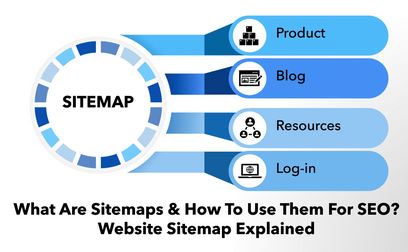
An SEO sitemap is a structured framework that lists all the pages on a website, making it easier for search engines like Google, Bing, and Yahoo to discover and understand your content. It acts as a roadmap for web crawlers, commonly known as spiders, that navigate through your site to index its content. By improving the discoverability of your website’s pages, an SEO sitemap ensures that search engines can quickly identify the most relevant information, thus improving your site’s ranking in search results.
How Search Engines Use Sitemaps
Search engines operate using sophisticated algorithms that continuously scan the web for new and updated content. This process is facilitated by web crawlers, which retrieve pages and organize them into a searchable index. Key elements that influence how your pages are indexed include:
- Titles and Headers: Crawlers give extra weight to the text in titles and headings as they often summarize the content.
- Meta Descriptions and Tags: These provide additional context about the page’s content.
- Keywords and Key Phrases: Strategically placed keywords help crawlers identify the relevance of your page to specific queries.
When a user types a query into a search engine, the algorithm scans its index to deliver the most relevant results. Ensuring that your website is well-organized and accessible to these crawlers is essential for appearing prominently in search results.
The Importance of SEO for High Rankings
SEO is the backbone of online visibility. It involves various techniques, including keyword analysis, quality content creation, link building, and website organization. By employing these methods, SEO aims to secure a high ranking for websites on search engine results pages (SERPs). Websites that appear at the top of these pages are more likely to attract user attention, generate clicks, and achieve their business objectives.
Search results are typically divided into two categories:
- Sponsored Results: These are paid advertisements that appear prominently at the top of SERPs.
- Organic Results: These are unpaid results ranked based on their relevance and quality.
While sponsored results rely on advertising budgets, organic results depend on strategic SEO practices to achieve visibility.
How an SEO Sitemap Enhances Performance
An SEO sitemap can significantly improve your website’s performance by:
- Streamlining Navigation: By linking all your pages in an organized manner, a sitemap ensures that web crawlers can easily navigate and index your site.
- Improving Keyword Placement: Sitemaps allow you to strategically place keywords in headings, descriptions, and links, making it easier for search engines to recognize the relevance of your content.
- Enhancing User Experience: A well-structured sitemap improves usability for visitors, helping them find information quickly.
- Identifying Errors: Regularly updating your sitemap helps identify broken links or outdated content that may hinder your site’s performance.
Best Practices for Creating an SEO Sitemap
Creating an effective SEO sitemap involves several best practices:
1. Keep it Simple and Organized
A straightforward structure is key. Use a list or table format to outline your pages. Avoid unnecessary tags or excessive design elements that could distract from the content.
2. Prioritize Keywords
Incorporate relevant keywords into titles, headings, and Meta descriptions. Ensure these keywords are naturally integrated and avoid keyword stuffing, which can harm your ranking.
3. Use Logical Hierarchies
Organize your content into logical categories. The main sections of your site should align with your sitemap’s structure, making navigation intuitive for both users and crawlers.
4. Optimize URLs
Ensure that URLs are clean, concise, and descriptive. Avoid long strings of random characters, as these can confuse both users and search engines.
5. Regular Updates
Search engines favor fresh content. Update your sitemap whenever new pages are added or old ones are removed. Tools like Google Search Console can help you submit updated sitemaps to search engines.
6. Use XML Format
While HTML sitemaps are great for users, XML sitemaps are preferred for search engines. XML files provide detailed information about each page, such as the last update date, frequency of updates, and relative importance.
7. Leverage Heading Tags (H1, H2, H3)
Heading tags are a critical part of SEO. Use them to create a clear hierarchy within your sitemap. H1 tags should be reserved for main categories, with H2 and H3 tags for subcategories and individual pages.
Avoiding Common Pitfalls
While creating an SEO sitemap, it’s crucial to steer clear of common mistakes:
- Keyword Stuffing: Overloading your sitemap with keywords can lead to penalties from search engines.
- Duplicate Content: Ensure each page listed in your sitemap has unique content to avoid redundancy.
- Neglecting Mobile Optimization: Mobile-friendly designs are essential for modern SEO. Ensure your sitemap is accessible and functional across all devices.
Monitoring and Adjusting Your SEO Strategy
SEO is not a one-time effort; it requires continuous monitoring and adjustments. Regularly analyze your website’s performance using tools like Google Analytics and SEMrush to identify areas for improvement. Update your sitemap to reflect changes in user behavior, industry trends, and search engine algorithms.
The Long-Term Benefits of SEO Sitemaps
While no strategy can guarantee top rankings indefinitely, a well-maintained SEO sitemap can provide long-term benefits. It helps your site stay visible, relevant, and competitive in an ever-changing digital landscape. By adhering to best practices and remaining proactive in your SEO efforts, you can ensure consistent traffic and sustained growth for your website.