
 By admin

The Art of Conversation: Mastering Communication in the Digital Age
Introduction
The ability to engage in meaningful and effective conversations is a critical skill in today’s fast-paced, digitally connected world. Whether in professional settings, social interactions, or personal relationships, the way we communicate shapes our experiences and opportunities. While technology has transformed communication, the core principles of a great conversation remain unchanged: active listening, empathy, adaptability, and clarity. This guide explores modern techniques to refine your conversational skills, ensuring you can navigate any interaction with confidence and authenticity.
The Fundamentals of Effective Conversation
At its essence, an effective conversation is a dynamic exchange where all participants feel heard, respected, and valued. It goes beyond mere speech; it involves understanding, emotional intelligence, and the ability to respond thoughtfully. The goal is to foster connections, exchange ideas, and create an environment of mutual trust and respect.
Active Listening: The Cornerstone of Meaningful Communication
One of the most vital components of a great conversation is active listening. Many people listen with the intent to reply rather than to understand. Active listening requires full engagement with the speaker and includes:
- Maintaining Eye Contact: This demonstrates attentiveness and encourages trust.
- Providing Verbal and Non-Verbal Affirmations: Simple gestures like nodding or saying “I understand” reinforce engagement.
- Avoiding Interruptions: Allowing the speaker to finish their thoughts before responding fosters respect and a more thoughtful dialogue.
- Summarizing and Reflecting: Repeating key points or paraphrasing ensures clarity and confirms comprehension.
By practicing active listening, you not only grasp the words spoken but also the emotions and intentions behind them, deepening your interactions.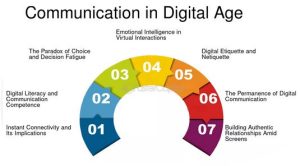
The Role of Empathy in Conversation
Empathy is the ability to understand and share another person’s feelings. It enhances communication by making others feel heard and validated. To cultivate empathy in conversations:
- Put Yourself in Their Shoes: Consider their experiences and emotions.
- Ask Open-Ended Questions: Encourage elaboration by showing genuine interest.
- Validate Emotions: Acknowledge feelings, even if you don’t agree with the perspective. Phrases like “That sounds challenging” or “I can see why you feel that way” foster a supportive dialogue.
Empathy builds stronger relationships and leads to more meaningful, trust-filled conversations.
The Power of Non-Verbal Communication
Much of our communication is non-verbal, and understanding these cues can significantly enhance our interactions. Key elements include:
- Facial Expressions: Ensure they align with your words to avoid mixed signals.
- Body Language: Open and relaxed postures invite engagement, while crossed arms may signal defensiveness.
- Gestures: Use natural hand movements to emphasize points without being distracting.

- Tone of Voice: Your tone conveys enthusiasm, sincerity, or concern. Be mindful of how it supports your message.
By aligning verbal and non-verbal communication, you reinforce your message and create a more compelling interaction.
The Art of Asking Questions
Questions guide discussions and demonstrate curiosity. Effective questioning techniques include:
- Open-Ended Questions: These encourage deeper discussion (e.g., “What inspired you to start your career?”).
- Clarifying Questions: Used to ensure understanding (e.g., “Could you elaborate on that?”).
- Reflective Questions: Encourage self-exploration (e.g., “How did that experience change your perspective?”).
Strategic questioning fosters engaging and insightful conversations.
Navigating Difficult Conversations
Not all conversations are easy, but handling challenging discussions with grace is essential. Key strategies include:
- Stay Calm: Maintain composure, even if the topic is sensitive.
- Be Respectful: Acknowledge differing viewpoints without being dismissive.
- Find Common Ground: Focus on shared goals to bridge differences.
- Use “I” Statements: Express feelings without assigning blame (e.g., “I feel concerned when…”).
Approaching difficult conversations with a problem-solving mindset can lead to constructive outcomes and stronger relationships.
The Influence of Technology on Modern Conversations
While digital communication offers convenience, it also presents challenges. To maintain effective communication in the digital era:
- Be Present: Minimize distractions when engaging in face-to-face conversations.
- Mind Digital Etiquette: Be clear and concise in virtual communication and aware of potential misinterpretations.
- Balance Online and Offline Interactions: While online conversations are essential, in-person interactions provide depth and emotional richness.
Being mindful of technology’s role in communication ensures stronger, more meaningful connections.
Continuous Improvement: The Path to Mastery
Mastering the art of conversation is an ongoing journey. To continuously improve:
- Observe Effective Communicators: Learn from great conversationalists.
- Seek Feedback: Ask for constructive criticism to refine your skills.
- Practice and Reflect: Embrace each interaction as a learning opportunity.
With consistent effort, your conversations will become more engaging, insightful, and rewarding.
Conclusion
In an era where communication is increasingly digital, the value of genuine, meaningful conversations cannot be overstated. Mastering the art of conversation enhances personal and professional relationships, opens doors to opportunities, and enriches our lives. By practicing active listening, showing empathy, understanding non-verbal cues, and navigating difficult discussions with confidence, you can become a more effective and impactful communicator.
The Art of Making the Impossible Possible