
 By admin

Harnessing the Power of Breath: The Path to Relaxation and Mental Clarity
Introduction
In today’s fast-paced, hyper-connected world, stress has become an unavoidable companion in our daily lives. From demanding work schedules to personal responsibilities, the constant pressure can take a toll on our mental and physical health. However, the solution to managing stress and achieving mental clarity may be simpler than we imagine: mindful breathing. By mastering controlled breathing techniques, we can unlock a powerful tool to enhance relaxation, improve focus, and boost overall well-being. This article delves into the science behind breath control, explores its benefits, and provides practical techniques to integrate mindful breathing into your daily routine.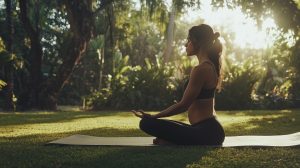
The Science Behind Breathing and Relaxation
Breathing is an automatic process regulated by the autonomic nervous system, but it is unique in that it can also be consciously controlled. When we engage in deep, slow breathing, we activate the parasympathetic nervous system, often referred to as the “rest and digest” system. This activation reduces the production of stress hormones like cortisol and promotes a state of calm and relaxation.
Recent studies have highlighted the profound impact of mindful breathing on both mental and physical health. Regular practice has been shown to:
- Lower blood pressure
- Reduce anxiety and depression symptoms
- Improve cognitive function and concentration
- Enhance sleep quality
- Strengthen immune system function
These findings underscore the importance of incorporating breath control into our daily lives as a natural and accessible way to combat stress.
Benefits of Deep Breathing: A Closer Look
1. Physical Relaxation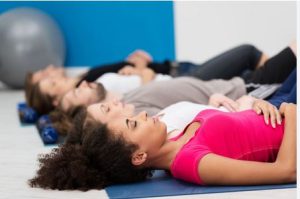
Deep breathing triggers the body’s relaxation response, reducing muscle tension and promoting a sense of calm. By slowing the heart rate and dilating blood vessels, it helps mitigate the physical effects of stress, such as headaches, fatigue, and high blood pressure.
2. Mental Clarity and Focus
Shallow breathing limits oxygen supply to the brain, impairing cognitive function. Deep breathing ensures optimal oxygenation, enhancing mental alertness, creativity, and problem-solving abilities. This makes it an invaluable tool for professionals, students, and anyone seeking to improve productivity.
3. Emotional Balance
Mindful breathing provides a grounding effect, helping individuals manage emotional reactions more effectively. It can be particularly beneficial during moments of anger, frustration, or anxiety, offering a quick and natural way to regain composure.
Breathing Techniques for Relaxation
1. Diaphragmatic Breathing (Belly Breathing)
Diaphragmatic breathing involves breathing deeply into the diaphragm rather than shallowly into the chest. This technique is highly effective for reducing stress and promoting relaxation.
How to Practice:
- Sit or lie down in a comfortable position.
- Place one hand on your chest and the other on your abdomen.
- Inhale deeply through your nose, ensuring your abdomen rises while your chest remains still.
- Exhale slowly through pursed lips, feeling your abdomen fall.
- Repeat for 5-10 minutes.
2. Box Breathing (Square Breathing)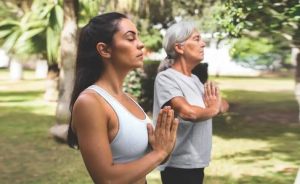
Box breathing is a simple yet powerful technique used by athletes, military personnel, and business leaders to enhance focus and reduce stress.
How to Practice:
- Inhale for a count of four.
- Hold your breath for a count of four.
- Exhale for a count of four.
- Hold your breath for another count of four.
- Repeat for 4-5 cycles.
3. 5-Minute Breath Break
This quick and easy technique is perfect for busy individuals seeking a moment of relaxation.
How to Practice:
- Sit with your spine straight and feet flat on the floor.
- Place your hands on your thighs and close your eyes gently.
- Focus on the expansion and contraction of your ribcage as you breathe.
- Allow each breath to be slow and steady, without forcing it.
- Continue for 5 minutes, gradually increasing the duration as desired.

How to Incorporate Breathing Exercises into Daily Life
Incorporating mindful breathing into your daily routine doesn’t have to be time-consuming or complicated. Here are some practical tips:
- Morning Routine: Start your day with 5 minutes of diaphragmatic breathing to set a calm and focused tone.
- Work Breaks: Take short breath breaks during work to reset and refocus.
- Pre-Sleep Ritual: Practice box breathing before bedtime to promote restful sleep.
- Mindful Moments: Integrate breath awareness into daily activities such as walking, commuting, or cooking.
The Role of Yoga in Breathing and Relaxation
Yoga is a holistic practice that emphasizes the connection between breath, body, and mind. Pranayama, the yogic art of breath control, plays a central role in achieving mental clarity and physical relaxation. Popular pranayama techniques include:
- Nadi Shodhana (Alternate Nostril Breathing): A balancing practice that calms the mind and enhances focus.
- Ujjayi Breathing: Often referred to as “ocean breath,” this technique promotes a meditative state by slowing down the breath.
By incorporating yoga breathing practices, individuals can experience a deeper sense of inner peace and resilience against stress.
Overcoming Common Breathing Practice Challenges
While the benefits of mindful breathing are well-documented, many individuals may encounter challenges such as:
- Restlessness: Start with shorter sessions and gradually increase duration.
- Distractions: Find a quiet space and consider using calming background music or nature sounds.
- Impatience: Focus on the sensations of each breath rather than the end goal of relaxation.

With consistent practice and patience, these obstacles can be overcome, allowing you to fully reap the benefits of mindful breathing.
Conclusion
Harnessing the power of breath is a transformative practice that can enhance both mental and physical well-being. By dedicating just a few minutes each day to mindful breathing, individuals can experience profound improvements in relaxation, focus, and emotional balance. Whether through simple exercises like diaphragmatic breathing or more structured practices such as yoga, the path to a calmer and clearer mind is just a breath away. Embrace these techniques today and unlock the potential of breath to lead a more balanced and fulfilling life.
Why Does Your Stomach Growl?