
 By admin

Introduction
Stomach growling, medically known as “borborygmi,” is a universal phenomenon that most people experience, especially when hungry. These audible rumblings are often associated with the need for food, but their causes are more complex than mere hunger. While stomach growling is typically harmless, it can sometimes indicate underlying digestive issues. This article explores the physiological mechanisms behind stomach growling, examines the factors that contribute to it, and provides practical tips for managing and reducing these sounds. By understanding the science behind borborygmi, individuals can take proactive steps to improve their digestive health and overall well-being.
The Science Behind Stomach Growling
The Role of Peristalsis in Digestive Sounds
Stomach growling originates from the gastrointestinal (GI) tract, specifically the stomach and small intestine. The walls of these organs are lined with smooth muscles that contract and relax in a coordinated, wave-like motion called peristalsis. This process helps move food, liquids, and gases through the digestive system. Even when the stomach is empty, peristalsis continues, causing air and digestive juices to mix and produce audible sounds. These sounds are more pronounced when the stomach is empty because there is no food to absorb or muffle the noise.
The Migrating Motor Complex (MMC) and Hunger
When the stomach and small intestine are empty for about two hours, the body initiates a process known as the migrating motor complex (MMC). The MMC consists of a series of strong, rhythmic contractions that clear residual undigested material from the GI tract. These contractions are often responsible for the growling sounds associated with hunger. Additionally, the brain releases the hormone ghrelin, which stimulates appetite and increases peristaltic activity, further amplifying the sounds. This biological response ensures that the digestive system is prepared for the next meal.
Factors Contributing to Stomach Growling
Dietary Choices and Their Impact
Certain foods can exacerbate stomach growling by increasing gas production and peristalsis. High-fiber foods like beans, lentils, and cruciferous vegetables are fermented by gut bacteria, leading to the release of gas and louder digestive noises. Similarly, carbonated beverages and artificial sweeteners can contribute to excess gas in the digestive tract.
Aerophagia: Swallowing Excess Air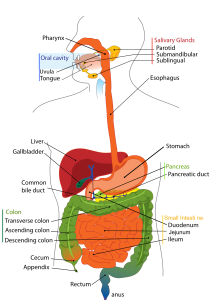
Aerophagia, or the act of swallowing air, is another common cause of stomach growling. Habits such as eating too quickly, chewing gum, drinking through a straw, or smoking can introduce excess air into the digestive system. As this air moves through the GI tract, it creates audible sounds.
Digestive Disorders and Food Intolerances
Conditions like irritable bowel syndrome (IBS), lactose intolerance, and celiac disease can disrupt normal digestive processes, leading to increased or irregular peristaltic activity. These disorders often cause symptoms such as bloating, gas, and stomach noises, which can be more frequent and intense than typical growling.
Incomplete Digestion and Bacterial Fermentation
When certain foods are not fully digested in the small intestine, they pass into the large intestine, where gut bacteria break them down. This fermentation process produces gas, which can contribute to intestinal noises and discomfort.
When to Seek Medical Attention
Recognizing Abnormal Symptoms
While stomach growling is usually harmless, certain symptoms may indicate an underlying issue. Persistent pain, bloating, diarrhea, constipation, or changes in bowel habits alongside frequent growling should prompt a consultation with a healthcare professional. These symptoms could signal conditions like IBS, infections, or food intolerances.
Frequency and Intensity of Growling
Excessively loud or frequent stomach noises that interfere with daily life may warrant further investigation. If growling is accompanied by other gastrointestinal symptoms, it is essential to seek medical advice to rule out potential disorders.
Strategies for Managing and Reducing Stomach Growling
Adopting Regular Eating Habits
Eating balanced meals at consistent intervals helps maintain steady digestive activity and reduces hunger-induced growling. Skipping meals or fasting for extended periods can trigger the MMC, leading to louder and more frequent noises.
Practicing Mindful Eating
Eating slowly and chewing food thoroughly can minimize the amount of air swallowed during meals. This practice not only reduces stomach growling but also promotes better digestion and nutrient absorption.
Making Informed Dietary Choices
Identifying and avoiding foods that trigger excessive gas or are difficult to digest can help manage stomach noises. Keeping a food diary can assist in pinpointing specific culprits and making targeted dietary adjustments.
Staying Hydrated
Drinking adequate water supports digestion and can help reduce stomach noises. Sipping water slowly throughout the day prevents the swallowing of excess air, further minimizing growling.
Managing Stress and Anxiety
Stress and anxiety can negatively impact gut motility and sensitivity, leading to increased digestive noises. Incorporating stress-reduction techniques such as deep breathing, meditation, and regular exercise can promote overall digestive health.
Conclusion
Stomach growling is a natural and often harmless phenomenon resulting from the body’s digestive processes, particularly during periods of hunger. While it is usually nothing to worry about, understanding the various factors that contribute to these sounds can help individuals manage and reduce their occurrence. By adopting mindful eating habits, making informed dietary choices, and maintaining overall digestive health, one can minimize the frequency and intensity of stomach growling. In cases where growling is accompanied by concerning symptoms, seeking medical advice is crucial to rule out underlying conditions. With the right strategies, individuals can achieve greater comfort and confidence in their daily lives.
Exploring Modern Tattoo Techniques