
 By admin
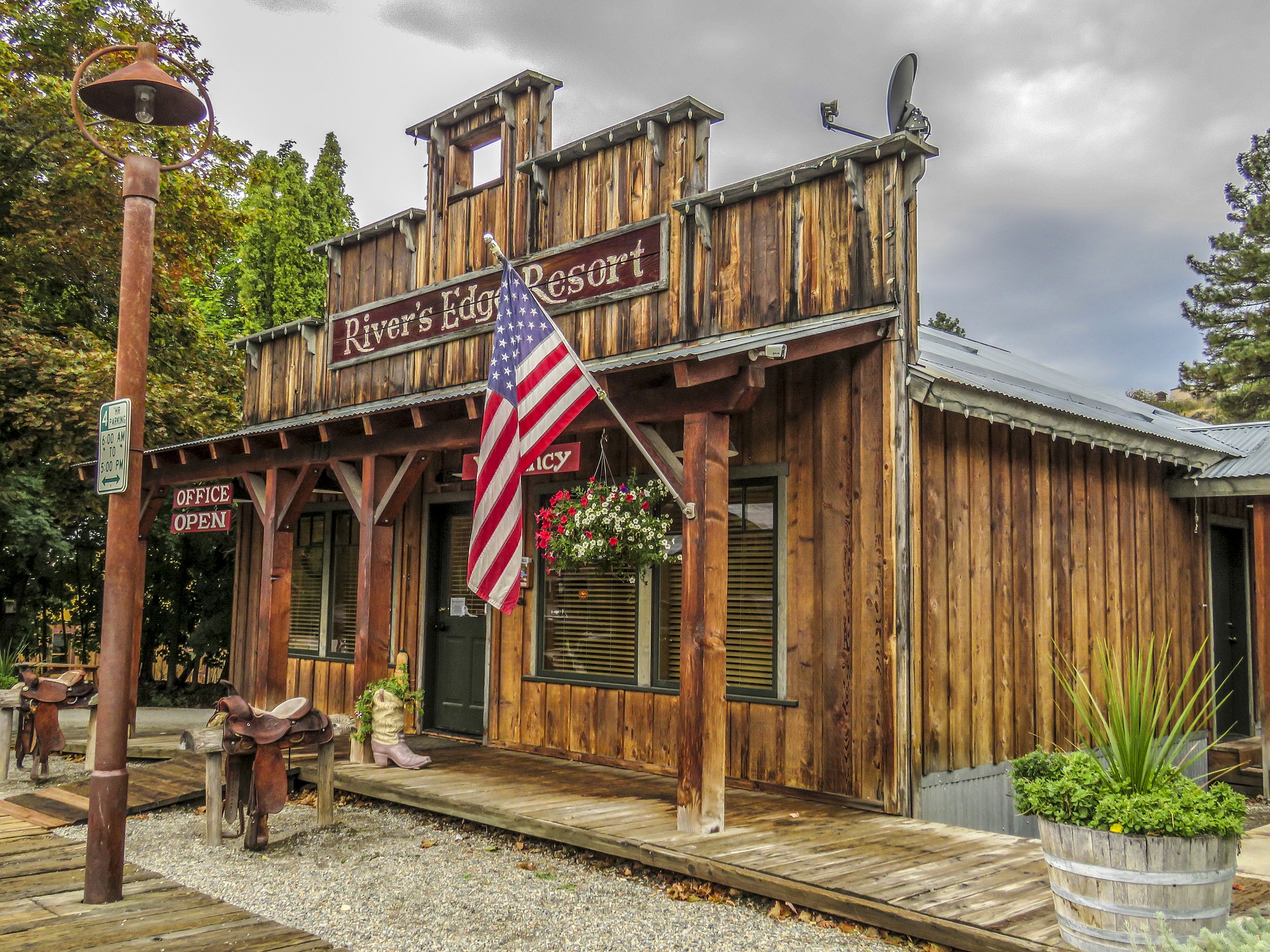
The Enduring Tradition of Wooden Homes in America: Balancing Benefits and Risks
Introduction
Wooden homes are a defining feature of the American residential landscape, symbolizing a blend of tradition, practicality, and cultural identity. Despite the annual threat of wildfires, particularly in states like California, the construction of wooden houses remains a prevalent practice. This article explores the historical, economic, cultural, and environmental factors that sustain this tradition, examines the associated risks, and highlights modern strategies to mitigate these challenges. By delving into the multifaceted reasons behind the enduring popularity of wooden homes, we aim to provide a comprehensive understanding of this unique aspect of American housing.
Historical Context of Wooden Homes in America
The Origins of Wooden Construction
The tradition of building wooden homes in the United States dates back to the 18th century. European settlers, particularly the British, arrived in North America and faced the urgent need to establish housing quickly to accommodate the growing population. The vast forests provided an abundant supply of timber, making wood the most accessible and practical building material. Over time, this practice became deeply ingrained in American culture and construction methods, shaping the architectural identity of the nation.
Cultural Legacy
The historical reliance on wood has left a lasting legacy, influencing modern construction practices. Wooden homes are not just a practical choice but also a cultural symbol, representing the pioneering spirit of early settlers and the adaptability of American society.
Economic Considerations
Cost-Effectiveness of Wooden Construction
One of the primary reasons for the continued popularity of wooden homes is their cost-effectiveness. According to the National Association of Home Builders, constructing homes with wood can be 15% to 30% less expensive than using materials like brick or concrete. This affordability makes wood an attractive option for both builders and homeowners, particularly in a competitive housing market.
Tax Incentives
In some U.S. states, higher taxes are imposed on homes built with non-wood materials. This policy incentivizes builders to continue using timber, as it offers financial benefits in the form of lower tax rates. Such economic advantages further reinforce the preference for wooden homes.
Cultural and Social Factors
Aesthetic Appeal
Wooden homes are cherished for their natural beauty and timeless charm. The warm, inviting appearance of wood resonates with many Americans, making it a popular choice for residential architecture. From rustic cabins to modern designs, wooden homes offer a versatile aesthetic that appeals to a wide range of tastes.
Historical Significance
The cultural significance of wooden homes cannot be overstated. As a symbol of America’s pioneering past, wood continues to hold a special place in the hearts of homeowners. This emotional connection contributes to the enduring popularity of wooden construction.
Environmental and Practical Advantages
Thermal Insulation
Wood is an excellent natural insulator, providing superior thermal performance compared to materials like brick or concrete. This property helps maintain comfortable indoor temperatures, reducing the need for heating and cooling systems and leading to significant energy savings.
Flexibility and Speed of Construction
Wooden homes can be constructed quickly and efficiently, thanks to the use of prefabricated components. This flexibility allows builders to meet housing demands promptly, making wood a practical choice for residential construction.
Risks Associated with Wooden Homes
Susceptibility to Fire
One of the most significant drawbacks of wooden homes is their vulnerability to fire. Wildfires, particularly in states like California, pose a substantial threat to wooden structures. The combustible nature of wood makes these homes more susceptible to ignition and rapid fire spread, raising concerns about safety.
Impact of Natural Disasters
While wood offers flexibility, it may not provide the same level of structural integrity as materials like concrete or steel during severe natural disasters such as hurricanes or earthquakes. This limitation can result in higher damage levels and increased maintenance costs over time.
Mitigation Strategies and Modern Developments
Fire-Resistant Building Materials
To address fire risks, builders are increasingly incorporating fire-resistant materials and treatments in wooden home construction. These innovations enhance the resilience of wooden structures, making them safer and more durable.
Adoption of Passive House Design
The “passive house” design approach is gaining traction in the U.S. This method focuses on energy efficiency and incorporates features that improve a building’s resistance to external environmental factors, including fires. By utilizing advanced insulation techniques and airtight construction, passive houses offer enhanced safety and energy performance.
Insurance and Rebuilding Policies
Insurance companies often require homeowners to rebuild with similar materials after a loss to qualify for full compensation. This policy can influence the decision to reconstruct using wood, even after fire-related incidents. Additionally, some lumber companies offer discounts to homeowners rebuilding after fires, making wood a cost-effective choice for reconstruction.
Conclusion
The tradition of building wooden homes in the United States is deeply rooted in historical precedent, economic benefits, cultural preferences, and practical advantages. Despite the inherent risks, particularly concerning fire susceptibility, the combination of cost-effectiveness, construction efficiency, and aesthetic appeal continues to make wood a favored material in American residential construction. Ongoing advancements in building technologies and materials aim to mitigate these risks, ensuring that wooden homes remain a viable and cherished aspect of the American housing landscape.
Navigating Rental Life with Dogs