
 By admin
Introduction
Dog grooming is more than just keeping your furry friend looking neat—it plays a vital role in their overall health, hygiene, and well-being. Regular grooming helps prevent infections, reduces shedding, and ensures your dog remains comfortable and happy. Neglecting grooming can lead to skin irritations, painful matting, ear infections, and overgrown nails that cause mobility issues.
This comprehensive guide will walk you through the key aspects of dog grooming, including coat maintenance, nail trimming, and ear care. Whether you’re a new pet owner or looking to refine your grooming routine, these essential steps will help keep your dog in optimal health.
The Importance of Dog Grooming
Grooming is not just about aesthetics—it’s a crucial part of a dog’s healthcare routine. Here are some of the key benefits:
- Prevention of Skin Issues: Regular brushing and bathing help remove dirt, debris, and parasites that can cause skin conditions.
- Early Detection of Health Problems: Grooming allows you to check for lumps, rashes, or infections early on.
- Better Hygiene and Odor Control: Clean fur and trimmed nails reduce odors and keep your home cleaner.
- Bonding Opportunity: Grooming provides a chance to strengthen your bond with your pet, building trust and comfort.
- Reduced Shedding: Routine brushing minimizes loose fur and helps maintain a clean living environment.
By incorporating grooming into your dog’s care routine, you contribute to their physical and emotional well-being.
Essential Steps in Dog Grooming
1. Coat Maintenance: The Foundation of a Healthy Dog
A dog’s coat serves as their first line of defense against the elements, so keeping it well-maintained is crucial.
Bathing Your Dog
Bathing removes dirt, allergens, and excess oils, but over-washing can strip essential natural oils from their skin.
- Frequency: Most dogs should be bathed every 4–6 weeks, but high-energy or outdoor dogs may need more frequent baths.
- Shampoo Selection: Use dog-specific shampoos with natural ingredients. Avoid human shampoos, as they can disrupt your pet’s skin pH balance.
- Bathing Technique: Use lukewarm water and massage shampoo into the coat, rinsing thoroughly to avoid residue that can cause irritation.
Brushing and De-shedding
Brushing is essential for all dogs, regardless of coat length.
- Types of Brushes:
- Slicker brushes: Great for long-haired breeds to prevent matting.
- Bristle brushes: Ideal for short-haired breeds to remove loose fur.
- Undercoat rakes: Useful for double-coated breeds to manage seasonal shedding.
- Brushing Frequency:
- Short-haired dogs: Once or twice a week.
- Long-haired dogs: Daily brushing to prevent tangles.
- Detangling Mats: Use a detangling spray and gently work through knots with a wide-tooth comb.
Drying Techniques
- Towel Drying: Start by patting excess moisture with a microfiber towel.
- Blow Drying: Use a pet-safe dryer on a low heat setting, ensuring fur is completely dry to prevent fungal infections.
- Air Drying: Suitable for short-haired dogs in warm weather but avoid cold drafts.
2. Nail Care: Keeping Paws Healthy
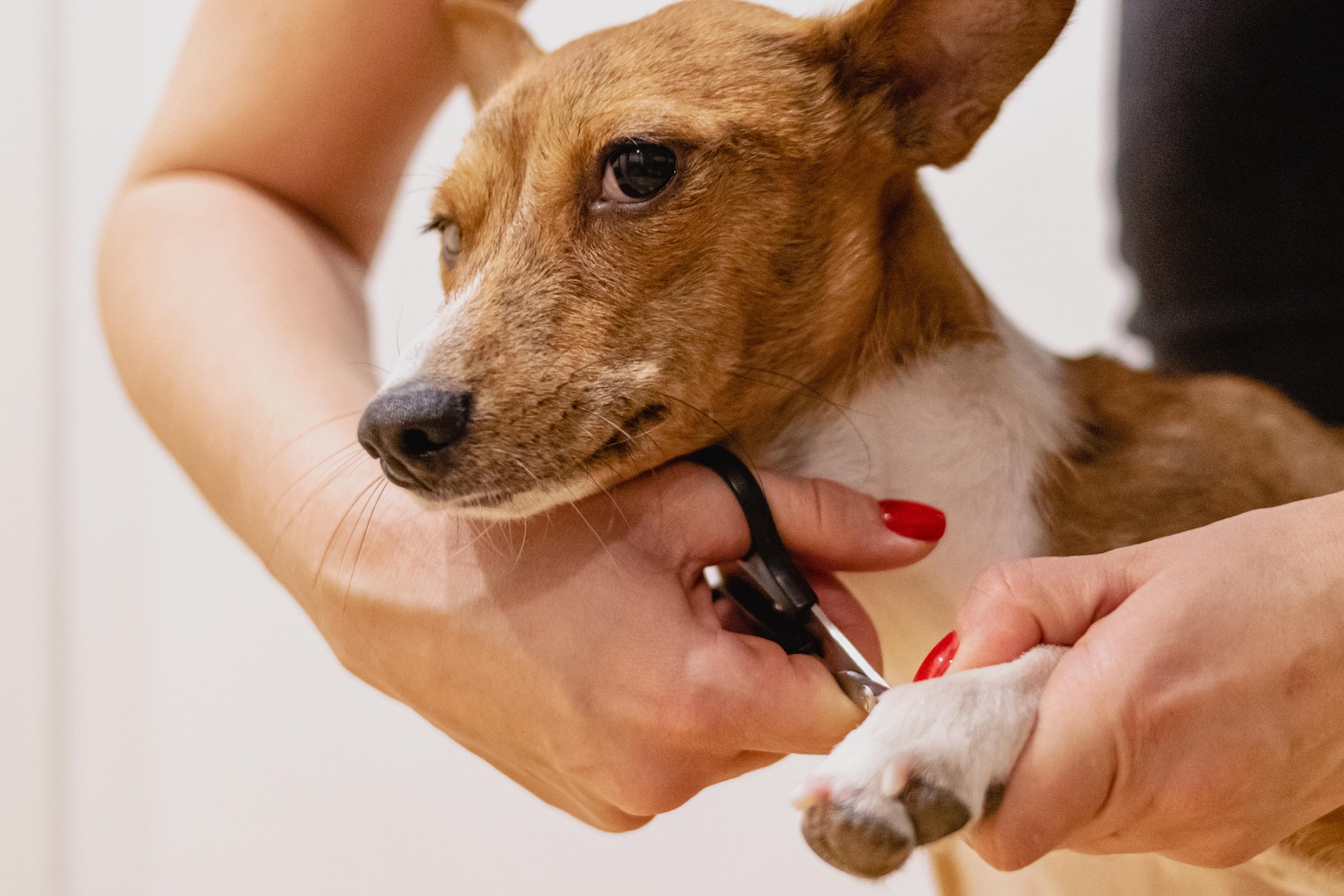
Neglecting nail trimming can lead to painful overgrowth, making walking uncomfortable and affecting posture.
Clipping Your Dog’s Nails
- Tools: Use a high-quality dog nail clipper or a rotary grinder for smooth edges.
- Finding the Quick: The quick is a sensitive part of the nail containing blood vessels. It’s visible in light-colored nails but trickier to spot in dark nails.
- Trimming Technique: Trim in small increments, ensuring you don’t cut too close to the quick.
- Frequency: Every 3–4 weeks, depending on your dog’s activity level.
Introducing Nail Trimming to Your Dog
- Start by touching and massaging their paws regularly to desensitize them.
- Offer treats and praise to create a positive association with nail trimming.
- If unsure, seek assistance from a professional groomer or veterinarian.
3. Ear Cleaning: Preventing Infections
Dogs, especially those with floppy ears, are prone to ear infections due to trapped moisture and wax buildup.
Signs of Ear Problems:
- Redness or swelling
- Foul odor
- Excessive scratching or head shaking
- Dark discharge
How to Clean Your Dog’s Ears
- Use an Ear Cleaning Solution: Choose a vet-approved ear cleaner.
- Avoid Cotton Swabs: Use cotton pads or gauze to wipe the outer ear.
- Frequency: Clean ears once a week or as needed, especially for breeds prone to ear infections.
Grooming Tips for Dog Owners
- Create a Relaxing Atmosphere: Use calming music or give treats to make grooming enjoyable.
- Invest in Quality Grooming Tools: High-quality brushes, clippers, and shampoos make the process easier.
- Be Patient: Some dogs take time to adjust to grooming, so be patient and gentle.
- Monitor Skin and Coat Health: Look for unusual lumps, rashes, or signs of irritation during grooming sessions.
- Seek Professional Grooming When Needed: If your dog has a complicated coat or behavioral challenges, professional groomers can help.
Conclusion
Regular grooming is essential to keeping your dog healthy, comfortable, and happy. By maintaining their coat, trimming nails, and cleaning ears, you not only enhance their appearance but also prevent health issues. Establishing a consistent grooming routine strengthens your bond with your pet and ensures they live a long, healthy life.
With the right tools, knowledge, and patience, dog grooming can be an enjoyable and rewarding experience. Prioritize your pet’s hygiene and well-being, and you’ll have a happy, well-groomed companion by your side.
The Ultimate Guide to Litter Cleaning for Cats