
 By admin
Introduction
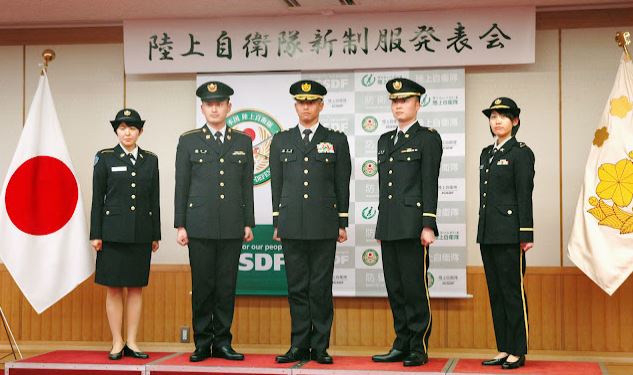
Japan’s post-World War II pacifist stance has led to a unique defense policy often misunderstood as an outright rejection of military power. However, Japan’s Self-Defense Forces (SDF) play a crucial role in national and regional security. This article explores the historical evolution, constitutional constraints, modern advancements, and strategic significance of Japan’s defense posture, shedding light on how the country balances pacifism with the necessity of military preparedness.
The Origins of Japan’s Pacifism
The Impact of World War II and the U.S. Occupation
Following its defeat in World War II, Japan underwent a complete political and social transformation under Allied occupation, primarily led by the United States. One of the most profound changes was the adoption of the 1947 constitution, which explicitly enshrined pacifism.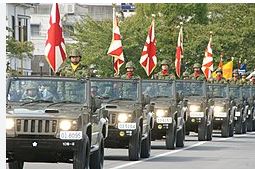
Article 9: The Constitutional Foundation of Pacifism
Article 9 of Japan’s constitution states:
“Aspiring sincerely to an international peace based on justice and order, the Japanese people forever renounce war as a sovereign right of the nation and the threat or use of force as means of settling international disputes. In order to accomplish the aim of the preceding paragraph, land, sea, and air forces, as well as other war potential, will never be maintained.”
This clause has fundamentally shaped Japan’s defense policies, restricting its ability to maintain a conventional military force while emphasizing peace as a national ideal.
The Establishment and Role of the Self-Defense Forces
The Emergence of the SDF
Despite the constitutional constraints, geopolitical realities necessitated the creation of a security force. In 1954, Japan established the Self-Defense Forces (SDF) with land, sea, and air divisions. While not considered a traditional military, the SDF ensures Japan’s security and sovereignty.
Constitutional Reinterpretations and Revisions
Over time, interpretations of Article 9 have evolved. In 2014, the Japanese government reinterpreted the constitution to permit collective self-defense, allowing the SDF to assist allies under attack, even if Japan itself was not directly threatened. This marked a significant shift, strengthening Japan’s security cooperation with global partners.
Modernization and Expansion of Japan’s Defense Capabilities
Japan has significantly upgraded its defense capabilities to respond to emerging security threats. Key areas of modernization include: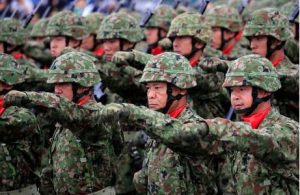
Cyber and Electronic Warfare
Recognizing the growing threat of cyber warfare, Japan launched a dedicated military unit for electronic warfare in 2021. Stationed at Asaka Base near Tokyo, this unit focuses on protecting Japan’s electromagnetic spectrum and coordinating cybersecurity efforts with the SDF.
Advanced Defense Systems
Japan has invested heavily in cutting-edge military technology, including:
- Missile Defense Systems: Deployment of advanced missile defense technology to counter regional threats.
- Fifth-Generation Fighter Jets: Acquisition and development of advanced fighter aircraft to enhance air superiority.
- Space and Maritime Security: Increased focus on space-based defense initiatives and naval expansion to safeguard territorial waters.
Challenges Facing the Self-Defense Forces
Despite its advancements, the SDF faces several challenges:
Recruitment and Demographic Decline
Japan’s declining birth rate poses a major challenge for SDF recruitment. In 2023, only 9,959 individuals enlisted, achieving just 51% of the recruitment target. This shortfall raises concerns about the sustainability of Japan’s defense readiness.
Regional Security Threats
Japan operates in a volatile security environment. Key concerns include:
- North Korea’s Missile Tests: Frequent missile launches by North Korea pose a direct threat to Japan.
- China’s Maritime Activities: Increasing territorial disputes in the East China Sea, particularly around the Senkaku Islands, necessitate a strong naval presence.
- Russia’s Strategic Maneuvers: Heightened tensions with Russia over the Northern Territories add to Japan’s security concerns.
Japan’s Global Defense Standing
Japan’s strategic investments have significantly bolstered its global defense position. Key indicators of its defense prominence include:
Global Military Rankings
As of 2020, Japan’s military was ranked fifth globally, reflecting its advanced technological capabilities and strategic significance in global security.
International Collaborations
Japan actively participates in global defense partnerships and peacekeeping operations. Key alliances include:
- The U.S.-Japan Security Alliance: A cornerstone of Japan’s defense policy, ensuring security cooperation with the United States.
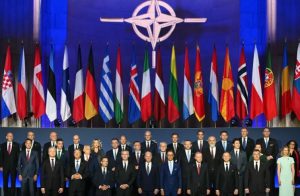
- The QUAD (Japan, U.S., India, Australia): Strengthening regional security in the Indo-Pacific.
- NATO and ASEAN Engagements: Expanding diplomatic and military collaborations beyond the region.
Conclusion
Japan’s transformation from a nation that renounced war to a country with one of the world’s most technologically advanced defense forces illustrates a complex balance between constitutional pacifism and pragmatic security needs. As regional tensions continue to rise, Japan’s defense policies and strategic alliances will be instrumental in maintaining stability and peace in the Indo-Pacific and beyond.
The Sun’s Size, Mass, and Composition