
 By admin
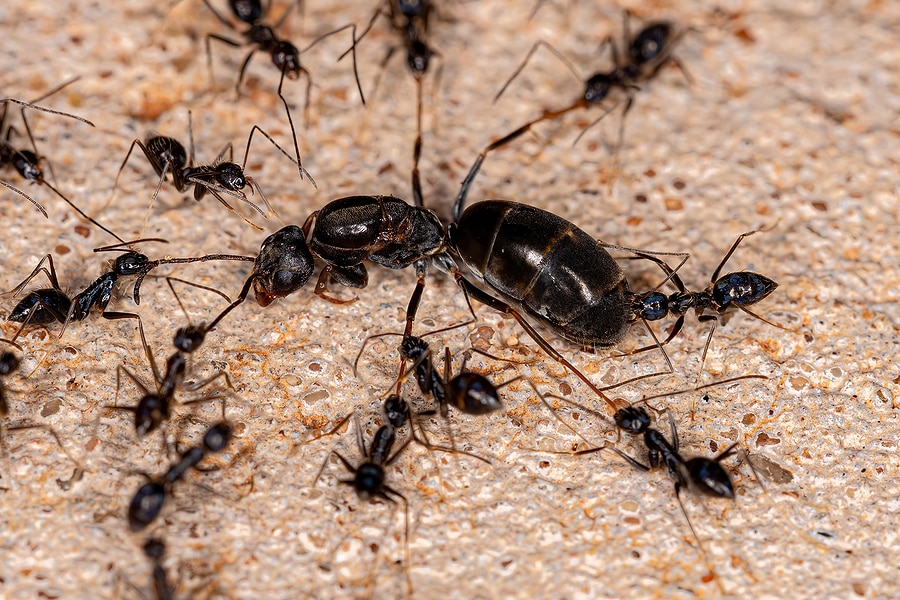
How Does a Simple Ant Become a Queen? The Secret Life of Ant Colonies
Introduction
Ants are among the most fascinating and complex creatures in the insect world. With more than 12,000 known species, ants exhibit highly organized social structures and behaviors that often rival those of more evolved animals. At the heart of every ant colony is a queen—an extraordinary individual responsible for laying all the eggs and ensuring the survival of the colony. But have you ever wondered how a regular ant transforms into a queen? Is it determined at birth, or can any ant rise to the throne?
In this article, we’ll explore the incredible journey from egg to queen, diving deep into the biological, environmental, and social triggers that determine an ant’s fate. With insights from modern research, we’ll uncover the latest findings about caste determination, pheromone control, and the evolutionary mechanisms that shape ant societies. Whether you’re a nature enthusiast, a biology student, or just curious, prepare to be amazed by the world of ants.
The Structure of an Ant Colony
The Social Hierarchy of Ants
Ant colonies operate under a strict caste system. The typical colony includes:
-
Queen Ants: Fertile females responsible for reproduction.
-
Worker Ants: Sterile females that forage, care for larvae, and defend the nest.
-
Male Ants (Drones): Short-lived males whose sole role is to mate with queens.
The caste of an ant is not just a social role—it’s a physiological identity. Queens and workers, although genetically identical in many species, exhibit stark differences in anatomy, behavior, and lifespan.
Superorganism: How Colonies Function as One
Ant colonies are often described as superorganisms, where each individual functions like a cell in a larger body. This coordination allows colonies to perform complex tasks such as:
-
Farming fungi or aphids
-
Building intricate nests
-
Coordinating attacks or defense
-
Relocating to new territories
This superorganism model is key to understanding how ants determine roles, including that of a future queen.
From Egg to Queen: The Developmental Journey
Genetic vs. Environmental Factors
One of the biggest questions in ant biology is whether queens are born or made. The answer? It depends on the species.
In many ants, all female ants start with the same genetic potential. Whether a larva becomes a worker or a queen is influenced by environmental factors such as:
-
Nutrition
-
Hormones
-
Pheromones
-
Temperature
This process is called caste determination and is a key area of entomological research.
The Power of Diet
In most species, the type and amount of food a larva receives during its early development determines whether it will become a queen. Larvae destined to become queens are fed a richer, high-protein diet, often referred to as “royal jelly” in ant terminology, similar to honeybee queens.
Well-nourished larvae grow larger and develop ovaries and reproductive organs, setting them apart from their worker sisters.
Pheromonal Control by the Queen
Queens maintain control of the colony through chemical signals known as pheromones. One of their main functions is to suppress the development of new queens. As long as the queen is healthy and producing pheromones, worker ants remain sterile, and new queens are not raised.
However, if the queen dies or her pheromone production decreases, workers may begin raising new queen larvae. This chemical regulation ensures only one (or a few) queens exist at a time.
Situations That Lead to New Queens
Colony Expansion and Swarming
In mature colonies, especially in spring or early summer, ants prepare for nuptial flights—the only time males and new queens leave the colony to mate. During this phase:
-
The colony begins producing virgin queens and drones.
-
These winged ants leave the nest in large numbers.
-
After mating in the air, males die, and fertilized queens land to start new colonies.
This process is a natural mechanism for colony reproduction and genetic diversity.
Queen Succession Within the Colony
Not all new queens fly away. In some species, especially those that live in stable environments, new queens may be raised to replace an aging queen or to support a multi-queen colony (polygyny).
In rare situations, worker ants may even battle each other over which larvae will become queen. This internal competition is part of a larger social dynamic that keeps the colony in balance.
Fascinating Facts About Queen Ants
Longevity and Fertility
Queen ants can live 10 to 30 times longer than worker ants. In some species, queens live for over 25 years, while workers survive just a few months to a couple of years. A queen’s primary role is to lay thousands—even millions—of eggs over her lifetime.
Independence and Founding Colonies
After mating, a new queen lands, loses her wings, and searches for a nesting site. She often starts a colony alone, using her stored energy and muscles to feed her first brood. This solitary phase, known as claustral founding, is one of the most vulnerable periods in her life.
Not All Queens Rule
In some species, multiple queens can coexist peacefully, especially in large colonies. In others, new queens may be killed by workers or by the reigning queen if they’re seen as a threat. Some queens even invade other colonies, killing the resident queen and taking over her workers—a phenomenon known as social parasitism.
What Science Says Today: Recent Research Highlights
Epigenetics and Queen Development
Recent studies have shown that epigenetic changes—chemical modifications to DNA that don’t alter the genetic code—play a major role in determining whether a larva becomes a queen or a worker. These changes are influenced by diet and environment, reinforcing the idea that nurture, not just nature, determines the queen’s fate.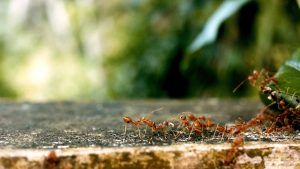
CRISPR and Gene Editing in Ants
Scientists are now using tools like CRISPR-Cas9 to study ant genetics in detail. By turning specific genes on or off, researchers are beginning to understand:
-
What triggers reproductive development
-
How brain structure differs between queens and workers
-
Why queens live longer than other ants
These breakthroughs could not only unravel ant mysteries but also have applications in aging research and social behavior in other species.
Conclusion
The transformation of a tiny, helpless ant larva into a powerful queen is one of nature’s most impressive examples of developmental plasticity and social coordination. While genetics lays the foundation, it’s the colony environment—especially nutrition, pheromones, and epigenetic signals—that ultimately decides an ant’s destiny.
Understanding how a simple ant becomes a queen reveals more than just insect biology; it offers insights into the balance between individual potential and social structure. In the world of ants, becoming royalty is not about bloodlines—it’s about opportunity, timing, and the collective needs of the colony.
So next time you spot an ant scurrying across your path, consider the hidden complexity behind its journey. Who knows? That tiny creature may have once had the chance to wear the crown.
Understanding the Bee Hierarchy