
 By admin
Introduction
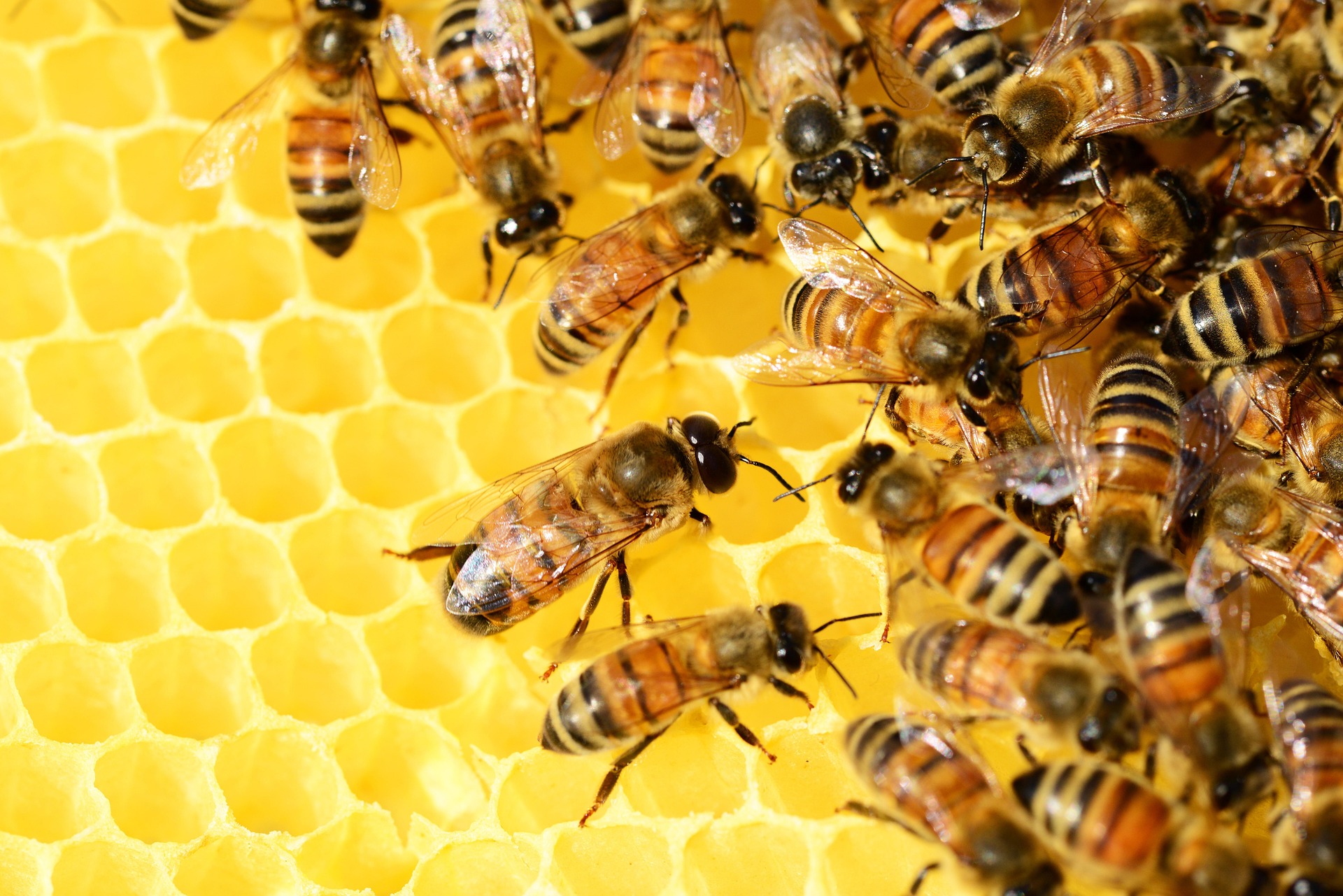
The buzzing world of honeybees is far more complex than it appears. Inside the organized chaos of a beehive lies a strict hierarchy, the very core of which depends on one critical figure: the queen bee. While all queen bees start off as ordinary larvae just like their thousands of sisters, only one gets crowned. But what exactly triggers this remarkable transformation from a common worker to the sole egg-laying monarch of the hive? This article delves deep into the biological, environmental, and social mechanisms that govern the making of a queen bee, unveiling one of nature’s most fascinating secrets.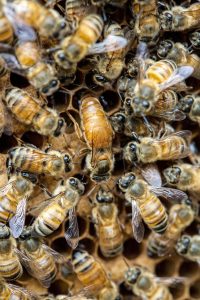
1. The Castes of the Beehive: Understanding the Bee Hierarchy
1.1 The Three Bee Castes
A typical beehive contains three distinct types of bees:
-
Queen Bee – The reproductive female responsible for laying all the eggs.
-
Worker Bees – Sterile females who handle foraging, nursing, cleaning, guarding, and hive maintenance.
-
Drone Bees – Males whose sole role is to mate with a queen.
While all females (queens and workers) come from fertilized eggs, their fates diverge drastically based on what they are fed and how they are raised.
1.2 The Role of the Queen
The queen bee is the heart of the hive. She can lay up to 2,000 eggs per day and emits pheromones that regulate the behavior and physiology of other bees. Without her, the hive becomes disoriented and unstable, eventually collapsing if a new queen isn’t raised in time.
2. The Birth of a Queen: Nature’s Royal Lottery
2.1 It All Begins With Diet
The secret to becoming a queen lies not in genetics, but in nutrition. All bee larvae are initially fed royal jelly for the first three days of life. This milky secretion, rich in proteins and hormones, is produced by young worker bees.
However, future worker bees are switched to a mixture of pollen and nectar known as bee bread after the third day, while potential queen bees continue to receive only royal jelly throughout their development.
This prolonged exposure to royal jelly alters the gene expression in larvae, triggering hormonal changes that result in:
-
Full development of ovaries
-
Longer lifespan
-
Larger body size
-
Ability to produce pheromones
2.2 The Royal Cell: Architecture for a Monarch
Queen larvae are raised in special vertically oriented chambers called queen cells. These are larger than regular brood cells and hang down from the comb. Their distinctive shape and orientation help worker bees identify and care for potential queens differently.
3. The Role of Epigenetics in Queen Development
3.1 Beyond Nutrition: Gene Activation
While nutrition is the primary factor, epigenetics—the study of changes in gene expression—also plays a significant role. Royal jelly contains compounds like 10-HDA (10-hydroxy-2-decenoic acid) and royalactin, which activate specific genes related to reproductive and metabolic development.
Recent studies have shown that:
-
Royal jelly silences genes that restrict ovary development.
-
It promotes increased cell growth, leading to a more robust physiology.
-
It influences longevity-related pathways, allowing queens to live for up to 5 years compared to the 6-week lifespan of a worker.
4. Queen Selection: Emergency, Supersedure, and Swarming
4.1 Emergency Queens
If the queen dies suddenly, the hive goes into emergency mode. Worker bees quickly identify young larvae (less than three days old) and begin feeding them royal jelly in newly constructed queen cells to create a replacement.
4.2 Supersedure Queens
When a queen becomes old or loses fertility, the workers may initiate supersedure, raising a new queen to replace the failing one without killing her immediately. The old queen is often allowed to live out her life in peace until the new queen takes over.
4.3 Swarm Queens
During swarming, the natural process of hive reproduction, the existing queen leaves the hive with a group of workers to establish a new colony. Meanwhile, the remaining bees raise several new queens, one of whom will become the ruler of the original hive.
5. The Queen’s Final Test: Royal Combat
5.1 The Battle for the Throne
Multiple queen larvae may be raised simultaneously, but only one can rule. When the first queen emerges from her cell, she seeks out the other queen cells and either:
-
Kills the unhatched rivals by stinging through their wax walls.
-
Engages in mortal combat with any queens who have already emerged.
This brutal survival-of-the-fittest ensures only the strongest, most aggressive queen leads the hive.
5.2 Worker Influence and Bias
Interestingly, worker bees may intervene in the selection process, showing preference for queens with stronger pheromone profiles or better health. This adds a social layer to the decision, ensuring the queen is not only strong but also suited to regulate hive behavior effectively.
6. The Queen’s Coronation: Mating and Reign
6.1 The Nuptial Flight
A few days after emergence, the new queen takes her first and only flight known as the nuptial flight. She mates mid-air with up to 20 drones from other colonies, storing their sperm in a specialized organ called the spermatheca.
6.2 Egg Laying and Hive Management
Once mated, the queen returns to the hive and begins her reign by laying eggs—both fertilized (female workers) and unfertilized (male drones). Her pheromones maintain social order, suppress ovary development in workers, and ensure cohesion.
7. Why the Queen Bee Matters in a Changing World
7.1 Bee Decline and Queen Health
Modern challenges such as pesticide exposure, climate change, and habitat loss are affecting queen bee health and longevity. Queens raised in stressed hives often have poor reproductive success and shorter lifespans.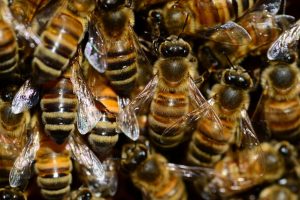
7.2 Artificial Queen Rearing and Beekeeping Practices
To combat these challenges, many beekeepers are adopting artificial queen rearing and selective breeding practices. While this helps manage hive health and productivity, concerns remain about reduced genetic diversity and natural selection pressures.
Conclusion
The transformation of a honeybee into a queen is a miraculous blend of nutrition, environment, and social engineering. Far from being born into royalty, queens are made—through the dedicated efforts of their sisters, the influence of royal jelly, and the brutal trials of nature. As we learn more about the intricacies of queen development, we gain a deeper appreciation for the delicate balance that sustains bee colonies and, by extension, much of the natural world we depend on. Understanding and protecting the process of queen formation isn’t just about saving bees—it’s about preserving the future of global ecosystems.
The Comprehensive Benefits of Homeschooling