
 By admin

Why Do We Tan and Burn More at the Beach? It’s the Same Sun, Isn’t It?
Introduction
If you’ve ever wondered why your skin tans faster—or even burns—when you’re at the beach compared to other places, you’re not alone. Many people assume the sun is just as intense everywhere, so why does spending a few hours by the sea leave you red and sore, while the same exposure inland doesn’t? The truth is, while the sun’s rays are technically the same, several environmental factors amplify their effects during beach trips, making tanning and sunburn more likely.
In this article, we’ll explore the science behind sun exposure, why the beach environment intensifies its impact, and how you can protect your skin while enjoying the summer sun. By the end, you’ll understand exactly why your skin reacts more strongly during your seaside vacation and what to do about it.
The Science of Sunlight and Skin
How Sunlight Affects Your Skin
The sun emits different types of ultraviolet (UV) rays, mainly UVA and UVB. These rays penetrate the atmosphere and interact with your skin in different ways:
-
UVA Rays penetrate deeply and contribute to skin aging and long-term damage.
-
UVB Rays are more superficial but more intense, causing sunburn and playing a key role in skin cancer.
When UV radiation hits your skin, it triggers melanin production—a natural pigment that tries to protect you by darkening your skin, resulting in a tan. However, overexposure can overwhelm this defense, leading to sunburn and cellular damage.
Tanning vs. Sunburn: What’s the Difference?
Tanning is your skin’s defense mechanism, while sunburn is an indication that your skin cells have been damaged by too much UV radiation. Both are signs of excessive exposure, and neither is completely safe.
Why You Tan and Burn Faster at the Beach
1. Reflection from Sand and Water
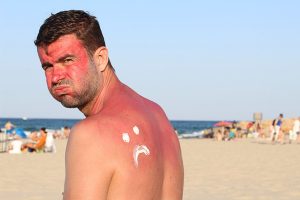
One of the biggest reasons for increased sunburns at the beach is UV reflection. Both sand and water reflect sunlight, increasing your total UV exposure.
-
Wet sand can reflect up to 15% of UV radiation.
-
Water reflects about 10%, but since you’re often surrounded by it or even in it, the effect is cumulative.
-
Dry sand reflects even more—up to 25% depending on color and texture.
This means you’re getting hit not just by direct sunlight but also by rays bouncing off your surroundings.
2. Lack of Natural Shade
Beaches are usually wide open spaces with very little shade. Unlike parks, city streets, or forests, there are no buildings or trees to block or diffuse the sunlight. You’re fully exposed from every angle.
3. Clothing Choices and Skin Exposure
When you’re at the beach, you’re usually wearing minimal clothing—swimsuits, shorts, tank tops—leaving more skin exposed than usual. This naturally increases your chance of tanning or burning.
4. Longer Time Spent Outdoors
People tend to spend longer periods outdoors at the beach. Between swimming, walking, relaxing, and playing, you may unknowingly spend several hours under the sun without reapplying sunscreen.
5. Cooling Effect of Wind and Water
The sea breeze and cool water can make you feel less hot, masking the actual intensity of sun exposure. This cooling effect tricks you into staying longer in the sun than you normally would, increasing your risk of sunburn.
6. Geographical and Seasonal Factors
Beaches are often located in southern regions or near the equator, where UV index levels are naturally higher. Add summer months to the mix, and you’ve got peak UV radiation conditions. UV levels can also be higher at higher altitudes—so if you’re at a coastal mountain destination, the risk doubles.
The UV Index: A Crucial Tool for Sun Safety
The UV Index is a daily rating system that measures the intensity of UV radiation. It ranges from 0 to 11+, with anything over 6 considered high. Beaches during summer often see UV Index levels of 8–11, which means burns can occur in as little as 10–15 minutes without protection.
How to Use the UV Index:
-
0–2 (Low): Safe for most people.
-
3–5 (Moderate): Minimal risk with basic protection.
-
6–7 (High): Use sunscreen, sunglasses, and seek shade.
-
8–10 (Very High): Extra protection required; limit sun exposure.
-
11+ (Extreme): Avoid sun altogether during midday hours.
How to Protect Your Skin at the Beach
1. Choose a High-SPF Sunscreen

Use a broad-spectrum sunscreen with SPF 30 or higher. Reapply every 2 hours, and more often if you swim or sweat.
2. Seek Shade During Peak Hours
Avoid direct sun exposure between 10 AM and 4 PM, when UV rays are strongest.
3. Wear UV-Protective Clothing
Long-sleeved swimsuits, hats with wide brims, and UV-blocking sunglasses can offer excellent protection without compromising comfort.
4. Use Beach Umbrellas or Tents
These can reduce direct UV exposure by up to 50%, especially when combined with sunscreen.
5. Stay Hydrated and Be Mindful of Medications
Some medications, including certain antibiotics and acne treatments, can increase photosensitivity. Always read labels and drink plenty of water to support your skin’s natural healing.
Myths About Sun Exposure at the Beach
Myth 1: “I won’t burn on a cloudy day.”
Wrong. Up to 80% of UV rays can pass through clouds.
Myth 2: “I have dark skin, so I don’t need sunscreen.”
All skin tones can be damaged by UV radiation. While melanin provides some protection, it’s not enough to prevent long-term damage.
Myth 3: “A base tan protects me from burning.”
A tan only offers minimal protection, roughly equivalent to SPF 3–4. It’s not a substitute for sunscreen.
Long-Term Risks of Repeated Overexposure
Chronic exposure to UV rays without proper protection can lead to:
-
Premature aging (wrinkles, sunspots)
-
Hyperpigmentation
-
Weakened immune response
-
Increased risk of skin cancers, including melanoma
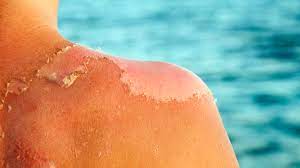
This makes sun protection not just a short-term cosmetic concern, but a long-term health priority.
Conclusion
While the sun might be the same everywhere, the beach environment amplifies its effects through reflection, exposure, and behavioral patterns. The sand, water, and open skies all conspire to increase UV radiation, making tanning and burning far more likely. Understanding the science behind this helps you enjoy your beach days without paying the price with painful burns or long-term skin damage.
Remember, sun protection isn’t about avoiding fun—it’s about being smart. With a little awareness and the right precautions, you can soak up the good vibes of summer while keeping your skin healthy and glowing.
What Our Color Really Says About Us