
 By admin
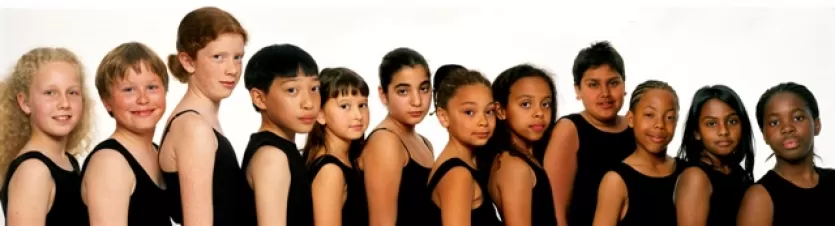
Why Do We Have Different Skin Colors If We All Come From the Same Ancestors?
Introduction
Human beings come in an astonishing array of skin colors, from the palest ivory to the darkest ebony. Yet, despite this rich diversity, science tells us that all modern humans share a common ancestry—originating from Africa tens of thousands of years ago. This begs the question: why do we have different skin tones if we all descend from the same human lineage?
The answer lies in a fascinating interplay between genetics, environment, and evolution. Skin color is not just a superficial trait—it’s a biological adaptation shaped over millennia in response to various climatic and geographical factors. In this article, we’ll delve into the science behind skin pigmentation, how and why it evolved differently across populations, and what this tells us about human history and diversity.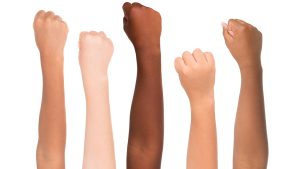
The Biology of Skin Color
What Determines Skin Color?
The color of human skin is primarily determined by melanin, a pigment produced by cells called melanocytes in the epidermis. There are two main types of melanin:
-
Eumelanin: Responsible for brown and black pigmentation.
-
Pheomelanin: Gives a yellow to reddish tint, more prevalent in people with lighter skin.
The ratio and quantity of these melanins influence skin tone. Dark-skinned individuals produce more eumelanin, which provides greater protection against ultraviolet (UV) radiation. Conversely, lighter-skinned individuals produce less eumelanin, allowing more UV penetration.
Genetic Influence on Pigmentation
Several genes regulate melanin production and distribution. The most well-studied gene is MC1R (melanocortin 1 receptor), which plays a crucial role in the balance between eumelanin and pheomelanin. Other genes such as SLC24A5, TYR, OCA2, and KITLG also contribute to skin tone variation.
Interestingly, despite having different skin colors, all humans share over 99.9% of their DNA. The genetic variations that affect skin color are relatively minor but have significant evolutionary implications.
The Evolution of Skin Color: An Adaptive Trait
The “Out of Africa” Theory
Modern humans are believed to have originated in East Africa around 200,000 years ago. The earliest Homo sapiens had dark skin, which was beneficial in the intense equatorial sunlight of Africa. As groups of humans began migrating out of Africa around 60,000 years ago, they encountered vastly different climates and sunlight exposure.
UV Radiation and Natural Selection
UV radiation is one of the primary environmental pressures that shaped human skin color. Two main evolutionary pressures linked to UV radiation are:
-
Folate Preservation: UV radiation can deplete folate (vitamin B9), crucial for DNA synthesis and fetal development. Dark skin, rich in eumelanin, protects folate by filtering UV rays.

-
Vitamin D Production: UVB rays are essential for synthesizing vitamin D in the skin. In regions with less sunlight, especially at higher latitudes, lighter skin evolved to allow more UV penetration for adequate vitamin D production.
This trade-off led to convergent evolution, where similar skin tones evolved independently in different populations depending on UV exposure, not necessarily common ancestry.
Regional Adaptations and Pigmentation Patterns
Africa: High Melanin as UV Shield
African populations generally have high levels of eumelanin, resulting in darker skin. This adaptation offers excellent protection against intense UV radiation, reducing the risk of sunburn, skin cancer, and folate degradation.
Europe: Light Skin and Seasonal Adaptation
In Northern Europe, where sunlight is scarce for much of the year, lighter skin allowed early populations to absorb more UVB rays to produce vitamin D. Genetic studies suggest that the light skin in Europeans is a relatively recent adaptation, possibly emerging within the last 10,000 years.
Asia: A Complex Pigmentation History
Asian populations exhibit a wide range of skin tones, from very light in East Asia to darker tones in South and Southeast Asia. This diversity reflects varying evolutionary pressures and migrations. For example, East Asians and Europeans both have lighter skin, but the genetic mutations responsible are different—another example of convergent evolution.
Indigenous Peoples: Intermediate Shades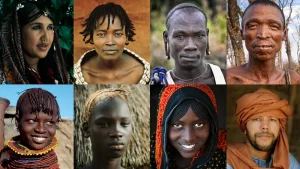
Many indigenous populations, such as Native Americans and Australian Aboriginals, have intermediate skin tones. These are adaptations to environments with moderate UV exposure. Their pigmentation reflects a balance between UV protection and vitamin D synthesis.
Modern Influences on Skin Color Perception
Social and Cultural Connotations
Throughout history, skin color has often been associated with social status, beauty standards, and even intelligence—despite no scientific basis for such links. Colonialism, media, and cultural narratives have contributed to colorism, where certain skin tones are valued over others within communities.
The Rise of Skin-Lightening Products
In many parts of the world, lighter skin is often portrayed as more desirable, leading to a booming global market for skin-lightening products. However, these products can carry significant health risks and reinforce damaging social biases.
Genetic Mixing and Globalization
In today’s increasingly globalized world, intermarriage and migration are contributing to more diverse and blended skin tones. The rigid racial categorizations of the past are slowly giving way to a more nuanced understanding of human diversity.
Scientific Myths and Misconceptions
Skin Color and Race
One of the most persistent myths is that skin color defines race. In reality, race is a social construct, not a scientifically accurate biological category. Skin color is just one of many adaptations and does not correspond to distinct genetic boundaries.
The Idea of “Pure” Ancestry
Some believe that certain skin tones are “purer” than others, but this ignores the fluidity of human migration and interbreeding over millennia. No group is genetically isolated; all populations have shared and exchanged genes through contact and migration.
The Future of Skin Color and Human Diversity
Genetic Research and Medicine
Understanding the genetics behind skin color has real-world applications, especially in medicine. Certain skin-related conditions, like melanoma or vitiligo, affect people differently based on their pigmentation. Personalized medicine that considers skin type is a growing field.
Climate Change and Potential Adaptation
With global climate shifts, future populations may face new environmental pressures that could, over generations, subtly influence traits like skin pigmentation. However, cultural and technological adaptation is likely to outpace biological changes.
Conclusion
Our different skin colors are a testament to human adaptability and resilience. Far from dividing us, this diversity tells the story of our shared journey as a species—how we spread across the globe, adapted to new environments, and thrived under vastly different conditions. Understanding the science behind skin color not only sheds light on our past but also helps dismantle racial myths and celebrates the biological unity of humankind.
We are all shades of the same human story—diverse in appearance, but united in origin.
The Truth About DNA and Blood Donation
The Comprehensive Benefits of Homeschooling