
 By admin
Introduction
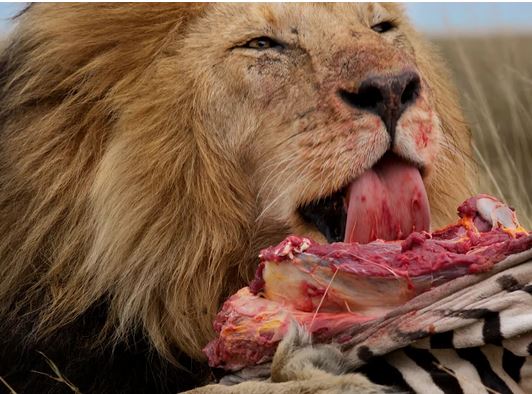
In the wild, predators like lions, hyenas, vultures, and wolves often consume carrion—decaying meat, sometimes days or even weeks old. To humans, this would be a dangerous and disgusting meal loaded with bacteria and pathogens that could cause severe food poisoning or death. Yet these animals feast on what we consider hazardous waste and continue to thrive. So how do carnivorous and scavenger animals eat rotten or contaminated meat without getting sick?
This fascinating question touches on evolutionary biology, microbiology, immunology, and ecology. Recent research reveals surprising insights into how these animals have adapted over millions of years to develop biological mechanisms that protect them from foodborne illnesses. This article explores the science behind these adaptations and what humans can learn from them.
Main Body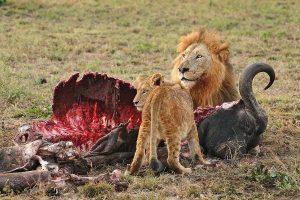
1. Evolutionary Adaptations to Contaminated Diets
1.1. Natural Selection at Work
Predators and scavengers have evolved alongside the dangers of their diet. Over millennia, only those animals that could survive foodborne pathogens lived long enough to reproduce. This evolutionary pressure led to the development of internal defense systems—biological shields—that enable them to digest rotten meat safely.
1.2. Specialized Digestive Systems
Many predators have incredibly acidic stomachs. For instance, the stomach pH of vultures can drop below 1.0—stronger than battery acid. This extreme acidity kills most bacteria and viruses before they can enter the intestines. Lions and hyenas also have very acidic stomachs, allowing them to neutralize dangerous pathogens quickly.
2. Gut Microbiome: The Hidden Ally
2.1. What Is the Gut Microbiome?
The gut microbiome is a complex ecosystem of trillions of microorganisms living in the digestive tract. These include bacteria, fungi, archaea, and viruses that play vital roles in digestion, immune response, and pathogen control.
2.2. Microbiomes of Scavengers
Studies on vultures and hyenas show that their gut microbiomes are dominated by bacteria capable of digesting toxic and decaying material. For example, vultures host Clostridia and Fusobacteria, which thrive in rotten flesh and help neutralize toxins like botulinum and anthrax bacteria.
2.3. Protective Role Against Pathogens
These microbes outcompete harmful bacteria and produce antimicrobial compounds. They also “train” the immune system to tolerate high bacterial loads without overreacting—a condition that could otherwise lead to chronic inflammation or sepsis.
3. Strong Immune Systems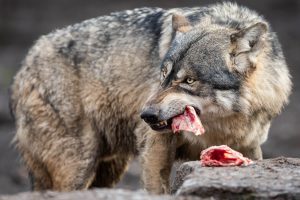
3.1. Built for Defense
Predators and scavengers often have immune systems that are much more robust and efficient than those of herbivores or humans. Their white blood cells are highly active, ready to destroy pathogens before they spread.
3.2. Constant Exposure Builds Tolerance
Frequent exposure to contaminated food strengthens their immune systems over time. Unlike humans, whose immune responses may be compromised by overly sterile environments, wild animals live in constant contact with pathogens, allowing them to build effective defenses.
4. Behavioral Adaptations
4.1. Selective Eating
Despite appearances, many scavengers are selective eaters. Hyenas, for example, may avoid parts of a carcass that are too decayed or emit certain odors that signal toxic levels of decomposition. Lions and wolves also often eat fresh kills rather than completely rotten meat.
4.2. Eating Quickly to Avoid Contamination
Predators often consume their food rapidly to minimize the chance of bacterial overgrowth while feeding. This behavior reduces the time harmful bacteria have to multiply in the open air before the meat is consumed.
5. Role of Enzymes in Breaking Down Toxins
5.1. Powerful Digestive Enzymes
Carnivorous animals produce powerful enzymes in their saliva and stomach that help break down complex proteins and neutralize harmful substances. These enzymes aid in digesting bone, fur, and even bacteria, making the meal safer.
5.2. Detoxification Mechanisms
Some animals, like the Tasmanian devil, possess liver enzymes that actively detoxify harmful substances from rotten meat, preventing these toxins from entering the bloodstream.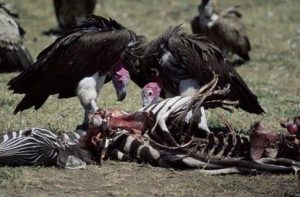
6. Recent Research and Genetic Insights
6.1. Vulture Genome Sequencing
A study published in Genome Biology revealed that the vulture’s DNA contains special gene variants that enhance immunity and toxin resistance. Genes associated with DNA repair, antioxidant defense, and pathogen neutralization are particularly enhanced.
6.2. The Hyena’s Super Stomach
Recent research into the spotted hyena’s digestive system shows it contains unique microbial strains not found in other mammals. These microbes help process highly decomposed meat and produce antimicrobial compounds that kill dangerous pathogens.
7. Why Humans Can’t Do the Same
7.1. Differences in Digestive pH
Human stomachs have a higher pH (around 1.5–3.5) than scavengers like vultures, making them less effective at killing strong pathogens found in spoiled meat.
7.2. Weaker Microbiome Diversity
Modern human lifestyles, including processed diets and antibiotic overuse, have significantly reduced microbiome diversity. As a result, our guts are less equipped to deal with contaminated food.
7.3. Lower Pathogen Tolerance
Because humans live in sanitized environments, our immune systems are not trained to tolerate high levels of bacteria, making us vulnerable to food poisoning from even mildly spoiled meat.
8. Lessons for Science and Medicine
8.1. Studying Scavenger Immunity
Understanding how scavengers resist infection could lead to medical breakthroughs. For example, isolating their gut bacteria or enzymes may inspire new antibiotics or treatments for foodborne illnesses.
8.2. Potential for Probiotic Therapy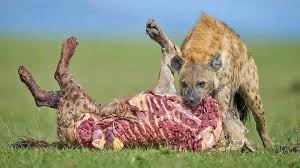
Researchers are exploring how scavenger microbiomes might be used to develop super-probiotics that could protect humans from harmful bacteria.
8.3. Food Safety Innovations
Insights into how these animals neutralize pathogens could help improve food preservation, sanitation technologies, and even bio-waste recycling systems.
Conclusion
While it may seem miraculous that predators and scavengers can eat rotting meat without falling ill, it’s actually a result of millions of years of evolutionary refinement. Their extremely acidic stomachs, resilient immune systems, and unique gut microbiomes all work in harmony to protect them from deadly pathogens. By contrast, humans are far more vulnerable due to our less acidic stomachs, modern sanitized environments, and limited exposure to pathogens.
Science is only beginning to understand these incredible biological systems. Future research into the immune responses and digestive mechanisms of scavengers may unlock new treatments for infections, improve human gut health, and even offer sustainable solutions for dealing with food waste. The natural world continues to be one of our greatest sources of inspiration and learning—especially when it comes to survival in extreme conditions.
Why Do Cats’ Eyes Glow in the Dark?