
 By admin
Introduction
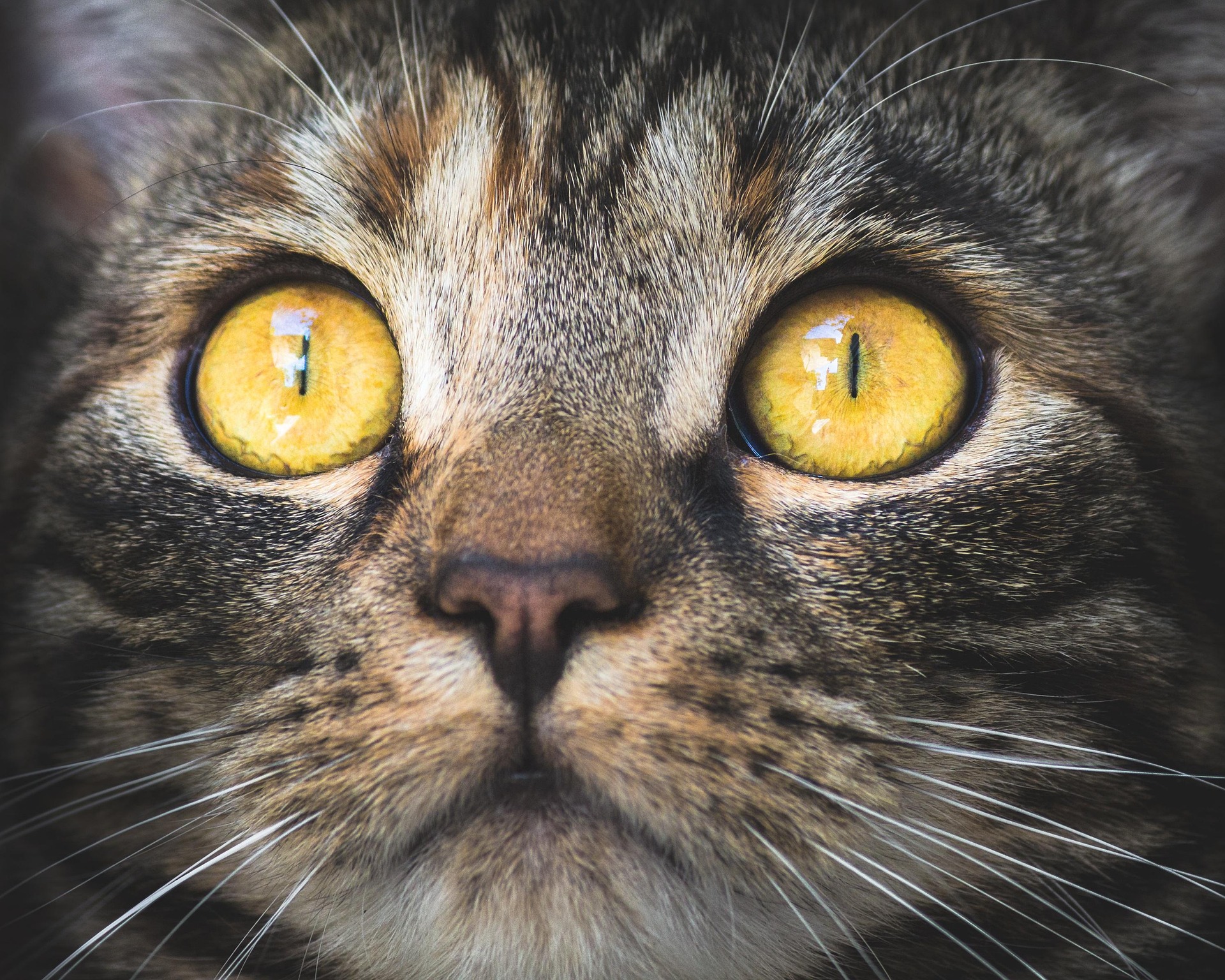
Have you ever noticed how a cat’s eyes seem to glow eerily in the dark? Whether it’s during a nighttime stroll or a dimly lit room, the shining gaze of a cat can be both mesmerizing and mysterious. But this glowing effect isn’t just a quirk of nature—it’s a brilliant evolutionary adaptation that helps cats thrive in low-light environments. From ancient predators to modern house pets, cats have evolved remarkable visual abilities that make them excellent nocturnal hunters.
In this article, we’ll explore the science behind why cats’ eyes glow in the dark. We’ll look at the biological structures responsible, how they help with night vision, and what this means for feline behavior and health. We’ll also answer common questions about cat eyesight and offer tips on how to care for your cat’s eyes. Get ready to uncover the glowing secrets behind those piercing feline eyes.
The Anatomy of a Cat’s Eye: Designed for the Night
The Tapetum Lucidum: Nature’s Built-In Reflector
The primary reason cats’ eyes appear to glow in the dark is due to a special layer of tissue in the eye called the tapetum lucidum. This Latin term means “bright tapestry,” and it perfectly describes its function. Located behind the retina, the tapetum lucidum acts like a mirror. It reflects light that has already passed through the retina, giving photoreceptor cells a second chance to absorb it.
This reflection increases the light available to the retina, significantly enhancing night vision. The result? Cats can see in light levels six times lower than humans can. The reflected light is what creates that characteristic glow, often green, yellow, or blue depending on the cat’s eye pigmentation and angle of light.
How It Works with the Retina
The retina, which lines the back of the eye, contains two main types of photoreceptor cells: rods and cones. Rods are responsible for vision in low light, while cones detect color and are active in bright light. Cats have a high concentration of rods and fewer cones compared to humans, meaning they’re much better equipped for low-light conditions but see fewer colors.
The combination of abundant rods and a reflective tapetum lucidum gives cats a significant advantage when it comes to nocturnal navigation and hunting.
The Evolutionary Purpose of Glowing Eyes
Cats as Nocturnal Predators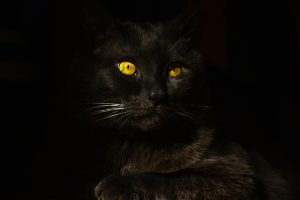
Cats are crepuscular animals, meaning they are most active during dawn and dusk. These low-light times of day require enhanced visual capabilities, and their glowing eyes are a key part of that adaptation. This feature allowed their wild ancestors to hunt small prey like rodents and birds more effectively when visibility was poor.
Survival Advantage in the Wild
In the wild, being able to see in the dark means better hunting success and a greater chance of survival. It also helps cats avoid larger predators. Whether stalking prey or navigating complex terrain, the ability to see in near darkness has always been a critical advantage for feline species.
Common Colors of Eye Glow and What They Mean
Why Do Eye Glows Differ in Color?
You might notice that not all cats’ eyes glow the same color in the dark. The glow can range from green and yellow to blue, orange, or even red. This variation is due to several factors:
-
Eye pigmentation: The amount and type of pigment in a cat’s iris can influence the color of the glow.
-
Angle of reflection: The direction from which light hits the eye can change the color seen.
-
Health and age: Eye diseases or age-related changes may alter how light reflects from the tapetum lucidum.
When to Be Concerned About Eye Color Changes
While color differences are generally normal, sudden changes or one eye glowing significantly more than the other could be a sign of underlying issues such as cataracts, retinal disease, or trauma. If you notice unusual behavior or persistent eye glow even in well-lit conditions, it’s best to consult a veterinarian.
Can All Cats’ Eyes Glow in the Dark?
Breed and Eye Color Differences
Not all cats have the same glow intensity. Breeds with lighter-colored eyes, such as blue or pale green, might exhibit a more noticeable glow. In contrast, cats with darker eyes may have a dimmer or different-colored reflection.
Certain breeds like Siamese and Himalayan cats tend to show a reddish or orange glow due to their unique eye structures and pigmentation.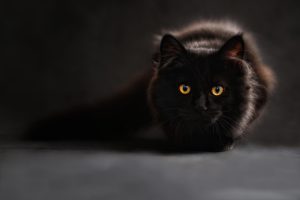
Blind or Albino Cats
Albino cats, which lack pigmentation in their irises and retinas, often have very reflective eyes. Some may glow more brightly, while others may show reduced tapetum lucidum functionality, depending on genetic makeup. Blind cats may still have a reflective glow if the tapetum lucidum is intact, though they cannot process the visual input.
Night Vision: How Cats See in the Dark
Comparison to Human Night Vision
Cats can see in light levels up to six times lower than humans can. Their pupils dilate widely to let in maximum light, and the high number of rod cells allows them to detect even minimal movement in near darkness. However, cats don’t see in complete darkness; some ambient light is still necessary.
What Cats See at Night
Contrary to myth, cats don’t see in perfect color or complete darkness. Their night vision is optimized for detecting motion, shape, and contrast rather than color detail. While we might see a fuzzy outline in the dark, a cat sees a clearer, sharper version of the same scene—especially if something is moving.
Protecting Your Cat’s Vision
Regular Eye Check-Ups
Just like humans, cats benefit from routine eye examinations. Vets can detect early signs of issues like:
-
Glaucoma
-
Cataracts
-
Retinal detachment
-
Infections or trauma
Early detection can preserve vision and quality of life.
Signs of Eye Trouble to Watch For
Be alert to these warning signs:
-
Excessive eye glow or asymmetrical glow
-
Cloudy or discolored pupils
-
Squinting or frequent pawing at the eyes
-
Discharge or swelling
If your cat shows any of these symptoms, schedule a veterinary visit promptly.
Home Tips for Healthy Cat Eyes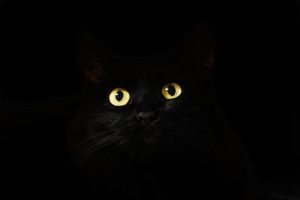
-
Keep their environment clean to avoid irritants.
-
Provide proper nutrition, especially taurine, which supports eye health.
-
Avoid shining bright lights directly into your cat’s eyes, especially at night.
-
Keep up with vaccinations to prevent diseases that may affect the eyes.
The Mythology and Symbolism of Glowing Cat Eyes
Cats’ glowing eyes have inspired legends for centuries. In various cultures, they’ve been seen as guardians of the spirit world, omens of mystery, or beings with magical powers. In ancient Egypt, cats were revered for their supernatural associations, and glowing eyes were thought to ward off evil spirits.
Even today, the image of a glowing-eyed cat remains a powerful symbol in art, Halloween decorations, and folklore.
Conclusion
The eerie glow of a cat’s eyes at night is more than just a visual curiosity—it’s a window into a fascinating adaptation honed by evolution. Thanks to the tapetum lucidum, cats can navigate and hunt in near darkness with ease. This unique feature, combined with their exceptional rod-rich retinas and wide pupils, gives them the upper hand as stealthy nocturnal predators.
Whether you’re gazing into your pet’s glowing eyes or watching a cat prowl through the night, know that behind that shine lies an intricate and highly evolved visual system. Understanding this natural marvel not only deepens our appreciation for cats but also highlights the importance of caring for their incredible eyes.
How Do Chameleons Change Color?